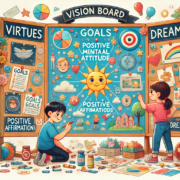
Conquering Life’s Challenges with Unyielding Strength and Purpose
The Modern Warrior: A Mindset for Life’s Epic Battle
Picture this: a young samurai, steeped in the traditions of discipline and honor, stands under the flickering light of a lantern. An older, seasoned warrior approaches, handing him a weathered scroll marked with three profound words: Memento Mori—“Remember you will die.” The young samurai furrows his brow, confused. “Why is this important?” The elder replies, “Only by embracing the reality of death can you truly seize life, free from fear.”
This timeless lesson resonates powerfully today, as it did on ancient battlefields. While life may not resemble a battlefield in the classical sense, every day unfolds its skirmishes. We grapple with doubt, face adversity, withstand loss, and confront uncertainty. Like the legendary warriors of yore, we must cultivate a mindset that equips us to stand firm, adapt with agility, and surge forward with unshakeable purpose.
Welcome to the Warrior Mindset—a lethal blend of resilience, clarity, and indomitable inner strength molded through trials and tribulations. But how do we summon this mindset in our fast-paced, modern world?
⸻
The Bedrock of the Warrior Mindset: Stoicism, Psychology, and Positive Mental Attitude
In the illustrious halls of ancient Rome, the sage philosopher-emperor Marcus Aurelius inscribed in his Meditations:
“You have power over your mind—not outside events. Realize this, and you will find strength.”
A true warrior doesn’t control the battlefield—only his reaction to it. The same holds in our lives. Storms will rage—illness, betrayal, economic tremors, loss—but our responses remain under our command. This is the core of Stoicism: to embrace life as it is and tackle it with unwavering resolve.
How does this ancient wisdom resonate in our contemporary era? It’s vividly illustrated through neuroscience! Our brains are wired for survival, often defaulting to trepidation and doubt. Yet, studies reveal that those who adopt a Positive Mental Attitude (PMA)—who transform challenges into opportunities—experience diminished stress, heightened resilience, and soaring success.
Dr. Carol Dweck, a pioneering psychologist, uncovered that individuals with a growth mindset—those who view challenges as stepping stones, not roadblocks—are primed to achieve their dreams and bounce back from setbacks. This dovetails brilliantly with the warrior’s philosophy: failure doesn’t signal the end; it’s a call to adjust and triumph again.
⸻
Lessons from Legendary Warriors: Strength Born of Adversity
The biblical saga of David and Goliath is far more than a tale of the underdog. David, a mere shepherd boy, dared to confront an enemy mightier than himself. He didn’t see Goliath as an insurmountable obstacle; he viewed him as a target too vast to miss. With a single, well-aimed stone, he felled the giant.
What’s the lesson here? A warrior’s mindset embraces fear—it reframes it. Rather than viewing obstacles as insuperable, a warrior perceives them as challenges waiting to be conquered.
Consider the example set by Miyamoto Musashi, the undefeated samurai. In his renowned work The Book of Five Rings, he declares: “Do not regret what you have done.”
Regret, hesitation, and overthinking are foes of action. The warrior comprehends that over-analysis leads to paralysis. The key is to commit fiercely and act decisively, learning and evolving throughout the journey.
⸻
The Neuroscience of the Warrior: Rewiring Your Brain for Strength
Visualize your mind as a blacksmith’s forge. Each hardship is a hammer striking red-hot steel—shaping you into a formidable blade or shattering you into fragments.
Neuroscience supports this notion. When faced with stress, our brain unleashes cortisol, the stress hormone. But when we perceive challenges as opportunities, we activate the prefrontal cortex—the brain’s command center for problem-solving and resilience. That’s why elite athletes, valiant soldiers, and visionary entrepreneurs train themselves to see adversity as a mentor rather than an enemy.
Here’s a transformative exercise: Reframe Your Struggles.
– The next time you hit a setback, ask: “What is this teaching me?”
– Instead of uttering, “This is impossible,” say, “This is my training ground.”
– Swap “Why is this happening to me?” with “How can I harness this?”
Muhammad Ali famously remarked: “I hated every minute of training, but I said, ‘Don’t quit. Suffer now and live the rest of your life as a champion.’” This embodies the warrior mindset: suffering isn’t the enemy; it’s the pathway to greatness.
⸻
Unleashing Your Inner Warrior: Three Daily Practices
To nurture the warrior mindset, integrate these three electrifying habits into your daily routine:
1. The Stoic Morning Ritual: Ignite Your Day with Gratitude and Perspective
Start each day by reflecting on three pivotal questions:
– What am I grateful for today?
– What challenge can I seize and embrace rather than resist?
– How would my best self respond today?
This practice redirects your mindset from reactive to intentional, igniting a resilient spark for the day ahead.
2. The 1% Rule: Small Wins, Monumental Growth
James Clear, author of Atomic Habits, illuminates the power of micro-improvements. If you improve just 1% daily, you’ll emerge 37 times better by year’s end. Warriors are not forged overnight but cultivated through incremental victories!
Embrace these principles, internalize the lessons of the warrior’s past, and step boldly into each day as the hero of your epic saga!
Overcoming Rejection: Utilizing Stoicism and (PMA) Mindset
Rejection: Embracing Stoicism and PMA to Unleash Your Strong Mindset
A South American tree thrives in Os, on the western coast of Norway, despite the harsh weather in the Scandinavian country.
Imagine standing at the edge of a vast canyon, with your dreams shimmering vividly across the divide—almost within reach, yet seemingly unattainable. Rejection can feel like a gust of wind pushing you back, challenging your resilience and spirit. But what if Rejection is your most outstanding teacher, not your enemy, shaping you for unparalleled greatness?
Consider Thomas A. Edison, who was sent home by the school board due to his neurodivergence, which today might be recognized as autism, Asperger’s, dyslexia, or ADHD, among other mental high cognitive – this lack of the school board to understand neurodivergence. Albert Einstein faced harsh criticism in his youth, with teachers proclaiming he would amount to nothing, deeming him hopelessly unteachable. Nikola Tesla, whose revolutionary visions electrified the world, was often ridiculed by peers for his groundbreaking ideas. Yet, each instance of Rejection honed their resolve and ignited their passion, propelling them toward remarkable greatness.
Note: Today, there is still a lack of knowledge and wisdom about neuroscience in schools, workplaces, governments, and other institutions, as well as among the population globally. – PMA Science of Psychology
Jay potted outside the Sansedjord Library: a captivating glimpse of the “PMA Science of Psychology” book!
Enter Jay Pacheco, a modern embodiment of turning Rejection into redirection. Jay first envisioned an innovative “Think and Grow Rich” academy in collaboration with the Napoleon Hill Foundation to complement Norway’s skeptical, less friendly, and less emotional culture. After numerous rejections from the CEO, Jay rethought and, with a broader and more powerful vision, began crafting and building the PMA (Positive Mental Attitude) Science University, merging psychological insight, Stoic wisdom, and mental resilience. Although the university is still in its early stages and faces challenges from institutions in Oslo, Stavanger, Tromsø, and beyond, Jay embraces these rejections, allowing them to fuel his quest for deeper understanding. Despite setbacks from workplaces, governmental organizations, and influential figures like Ryan Holiday, Tony Robbins, and Peter Stordalen, Jay continuously transforms every obstacle into inspiration, drawing motivation from the stories of Stoics, Epictetus, Einstein, Rumi, Steve Jobs, Arnold Schwarzenegger, and Thomas Edison.
Furthermore, Inspired by Marcus Aurelius’ wisdom, “The impediment to action advances action, what stands in the way becomes the way,” Jay embraces Rejection as a guiding force toward a more prosperous and authentic path, redirecting him toward what is truly enjoyable and meaningful. Rather than succumbing to disappointment, he exemplified resilience by approaching his workplace in mental health with the idea of creating courses or a team that combined their expertise with his background in stoicism, psychology, and other tools. After facing Rejection, Jay transformed his experiences into the impactful book, “PMA Science of Psychology,” which lays the groundwork for a vision initially dismissed. He researched neurodiversity and the “normal population,” utilizing and integrating diagnostic tools such as ICD-10, 11, DSM-5, TR, Emotions Revealed (FACS), Genetics, Cycles, PMA, Stoicism, and Psychology—making it a unique offering available on Amazon, Apple Books, Kobo Books, and in Sandefjord and Tønsberg libraries in Norway.
Think of Rejection as a sculptor’s chisel. Initially, each strike appears to diminish the marble, yet with precision, something extraordinary emerges—a masterpiece beneath the surface. In the same way, rejection shapes and refines us, revealing our true strength and purpose.
The Bible beautifully captures this: “He takes away every branch in me not bearing fruit, and he cleans every one bearing fruit, so that it may bear more fruit.” (John 15:2). Rejection prunes our lives, creating space for growth and unexpected opportunities.
Rumi further illuminates this: “The wound is the place where the light enters you.” Each Rejection opens us to deeper awareness, new possibilities, and greater strength. Rather than seeing Rejection as a scar, embrace it as a badge of courage—an undeniable sign that you’re truly living, growing, and evolving.
How can you turn Rejection into strength using Stoicism and PMA?
2. Act Courageously: Embrace the Stoic belief that obstacles are opportunities. Turn rejection into steps toward success.
3. Cultivate Gratitude: PMA encourages seeing setbacks as lessons. Gratitude shifts despair to empowerment.
4. Persist Passionately: Follow Jay Pacheco’s example: rejection spurred him to write his powerful book and lay the groundwork for his visionary university.
Imagine the oyster patiently transforming an irritant into a priceless pearl. What setbacks in your life could turn into your pearls?
Remember, Rejection doesn’t define your worth—it redirects your path toward purpose. Today’s Rejection can ignite tomorrow’s destiny.
Epictetus wisely stated, “It’s not what happens to you, but how you react to it that matters.” Your reactions shape your narrative. Choose responses filled with courage, strength, and unwavering optimism.
Your life is your masterpiece—crafted one Rejection at a time. Embrace Rejection and allow it to mold you into greatness.
Written by the PMA Science University Team and Jay Pacheco’s insights.
https://pmascience.com/wp-content/uploads/2025/03/IMG_5668-scaled.jpeg19202560adminhttps://pmascience.com/wp-content/uploads/2025/01/PMA_lOGO2-300x164.pngadmin2025-03-23 20:17:152025-03-23 20:48:23Overcoming Rejection: Utilizing Stoicism and PMA Mindset
Transforming Pain into Personal Growth with Stoicism and PMA
Roots of a resilient tree on the pebble beach in Os, just outside Bergen, Norway.
Trauma is an omnipresent aspect of human existence. Every being, whether an electron, a plant, a human, or an animal, feels pain and stress to some extent. Research indicates that approximately 70% of individuals globally will experience at least one significant traumatic event during their lifetime. Such events may encompass a childhood characterized by abuse or bullying, a near-fatal accident, the harrowing experiences of warfare, the loss of a loved one, sudden financial hardship, or heartbreak that inflicts profound emotional wounds. Trauma, in its myriad forms, has the potential to disrupt our sense of safety and meaning.
Nevertheless, it is noteworthy that trauma can also catalyze remarkable personal development. As the ancient Stoics imparted and contemporary psychological studies affirm, adversity can function as a springboard; obstacles may ultimately pave the way forward. This blog/article examines how a positive mental attitude (PMA), Stoic philosophies, and psychological strategies can empower individuals to transform trauma into resilience, illustrated by compelling real-life examples, including the narrative of car-crash survivor Jay Pacheco, to illuminate this journey.
Jay’s Journey: From Wreckage to Resilience
On a delightful autumn evening, Jay Pacheco’s life nearly came to a halt. Just five minutes into his drive home from work on a beautiful 2024 night, his vehicle was struck on the left by a reckless driver who ignored the road sign. In that split second of crunching metal and breaking glass, terror flooded him. Trauma can strike instantly – in one moment, life is every day, and in the next, everything is turned upside down. Although Jay survived the accident, he did not escape without injuries and a persistent sense of fear. In the wake of the incident, he found himself haunted by flashbacks of the violent impact, his car spinning two to three times like a sleepy soap as shards of glass and airbags surrounded the left side of his neck and head, and the seatbelt tore at his light autumn jacket, causing feathers to drift away. His confidence and sense of security were severely shaken as he hung from the seatbelt, waiting for the arrival of police and medical personnel.
However, Jay’s journey did not conclude in despair. He later reflected, “The crash wasn’t just an accident; it became a catalyst.” During the weeks and months of his recovery, Jay recognized he had a choice: to let this trauma define him or to redefine himself through it. Drawing from his studies in psychology and his writings on Stoicism, positive mental attitude (PMA), and psychological principles, he immersed himself in Stoic wisdom and the practice of gratitude towards the creator, JHVH. Rather than asking, “Why me?” he asked, “What can I learn from this? How can this improve me?” Each day, he challenged himself incrementally— journaling, smiling, and writing despite the pain, taking short walks, returning to work step after step, and soon returning to classes with a fresh outlook. He maintained a digital notebook of gratitude, noting down his blessings: surviving the crash, the friend who supported him in the hospital, and even the newfound enjoyment of morning coffee, which now felt like a cherished gift. This gratitude practice significantly transformed Jay’s mindset, shifting his focus from loss to appreciation for what he still possessed.
Jay also found solace in Stoic philosophy. Lying in bed with pain in his ribs, neck, head, and back, he read Marcus Aurelius’s Meditations. One passage, in particular, spoke to him: Marcus wrote that the mind can turn every hindrance into an opportunity, making “that which is an obstacle on the road helps us on this road.” This wasn’t just ancient wisdom to Jay; it was a lifeline. If a Roman emperor facing plagues and wars could see opportunity in hardship, perhaps Jay could see opportunity in a car wreck. He began to reframe his trauma: the accident, while painful, was also a wake-up call to live more fully. “It made me write more, reflect deeper, and appreciate life fully,” Jay noted, describing how his pain turned into a fascination with personal growth. He started devouring books on psychology, neurology, resilience, and PMA once again, even though at a much lesser speed than before the accident, where he read from two to five books per week to one to two books per week after the accident, said Jay – hungry to understand how the brain copes and how the spirit can prevail.
Day by day, Jay’s body healed; more importantly, so did his spirit. He practiced Stoic exercises like negative visualization—imagining how much worse the crash could have been—which made him feel grateful to be alive. When anger or pity for himself arose, he recalled Epictetus’s advice that people are not disturbed by events but by their perception of those events. Perhaps he couldn’t change the fact that the crash happened, but he could change his perspective on it. He chose to see it as a second chance. Over time, Jay’s nightmares receded as he applied his new techniques, and a sense of purpose took their place. He even wrote a memoir titled “The Magic of Gratitude” and completed another work, “Dreams and Sacred Emotions.” In “The Magic of Gratitude,” he shares his story of transforming trauma into personal development through belief, gratitude, and Stoic principles. Jay’s journey is a shining example: even the most life-altering trauma can spark an extraordinary transformation with the right mindset and tools.
A resilient pine sapling grows out of black lava rock—a living metaphor for how life can take root and grow stronger in the most inhospitable conditions. Like barren rock, trauma can become the foundation for new strength and growth.
From Adversity to Advantage: Others Who Transformed Trauma
While Jay’s experience is powerful, it is far from unique. History and current events are filled with people who faced horrific trials and emerged stronger, forging meaning and success from their suffering. These stories remind us that the human spirit is remarkably resilient and that a positive mental attitude and determination can alchemize pain into progress.
•David Goggins – from abused boy to unstoppable warrior: As a child, David Goggins endured an abusive father, daily trauma, and crushing poverty. He was scarred by racism and struggle – obesity, a stutter, and low self-esteem plagued him into young adulthood. But Goggins’ story did not end in defeat. He decided that he would not be a victim. He transformed himself into a U.S. Navy SEAL and one of the world’s toughest ultra-endurance athletes through sheer determination and perseverance. He recounts how he “calloused his mind” by willingly doing hard things – each long run, each cold shower, each 4 a.m. wake-up was a way to turn trauma into toughness. Goggins embraced discomfort to prove that “pain can either break you or fuel you.” Today, his story inspires millions to own their past and use it as fuel for personal excellence.
•War survivors finding meaning: Many who survive war or extreme violence end up with deep psychological wounds – but some also discover profound personal growth. Holocaust survivor and psychiatrist Viktor Frankl observed that those who found meaning in their suffering were more likely to survive the concentration camps and rebuild their lives. In his memoir Man’s Search for Meaning, Frankl famously wrote, “Suffering ceases to be suffering at the moment it finds a meaning.” He lost his family and spent years in brutal camps, yet out of that trauma; he developed the concept of logotherapy – healing through finding purpose. Frankl’s own post-war life – helping others find meaning – was an embodiment of post-traumatic transformation. Countless war veterans have followed a similar path: after the nightmares of battle, they channel their pain into advocacy, service, or art. For example, some veterans with PTSD take up mindfulness meditation or Stoic practices and learn to reinterpret their flashbacks not as signs of weakness but as proof of what they’ve overcome. Their trauma becomes a mission to support others. The Stoics would say they practice amor fati – loving one’s fate – embracing even the cruelest trials as integral to their story and character.
•Entrepreneurs and leaders – fueled by failure: Trauma isn’t always physical; sometimes, it’s the crushing defeat of a dream. The entrepreneurial world is rife with stories of spectacular failures that became springboards to success. Steve Jobs is a famous example. In 1985, Jobs was fired from Apple – the company he co-founded – a public humiliation that devastated him. Yet, Jobs later described exile as a blessing in disguise: “Getting fired from Apple was the best thing that could have ever happened to me,” Jobs said. “The heaviness of being successful was replaced by the lightness of being a beginner again… It freed me to enter one of the most creative periods of my life.” In that period, he founded Pixar and NeXT, rediscovered his love for innovation, and ultimately returned to Apple to build it into one of the world’s most valuable companies. Jobs’ setback became the seed of his later triumph – a case of professional trauma leading to creative rebirth. Many other entrepreneurs have similar tales of early bankruptcy, rejection, or public failure that steeled their resolve. Instead of giving up, they adopted a positive mental attitude, seeing failures as learning opportunities and refusing to view themselves as defeated. In each story, the pattern is clear – mindset matters. As Stoic philosopher Seneca wrote, “Difficulties strengthen the mind, as labor does the body.” The challenges we face can make us stronger and wiser if we let them.
These examples – whether a survivor of childhood abuse pushing his limits, a war prisoner finding meaning, or a fired CEO regrouping – all reflect the same truth: with resilience, perspective, and a positive mindset, trauma can be transformed into fuel for growth. Modern psychology has a name for this phenomenon: post-traumatic growth. Psychologists Richard Tedeschi and Lawrence Calhoun, who coined the term, define post-traumatic growth as “positive psychological changes experienced as a result of the struggle with trauma or highly challenging situations.” In other words, struggling through adversity can leave you better than you were before. People might develop a stronger sense of purpose, more profound empathy, or new skills and strengths that never would have emerged without adversity. This doesn’t mean trauma is “good” – only that we humans have an incredible capacity to extract good from even the worst life events.
But how, exactly, does one do this? It’s one thing to tell inspiring stories and cite wise philosophers – it’s another to face your trauma, here and now, and try to find the light in that darkness. The good news is that there’s a roadmap. By combining Stoic strategies, proven psychological techniques, and a Positive Mental Attitude, you can begin turning your trauma into personal strength. It won’t happen overnight, and it isn’t easy – but step by step, it is possible. Let’s break down how you can start your journey of transformation.
The Science of Resilience: Why Transformation is Possible
Before we dive into the step-by-step guide, it helps to understand why this transformation is possible. Trauma may leave deep wounds – physical and mental – but humans are blessed with an innate ability to heal and adapt. Our brains are wired for growth and change. Neuroscientists refer to neuroplasticity as the brain’s ability to rewire itself in response to experiences. That means the damage trauma causes isn’t necessarily permanent; the brain can form new connections and find new coping pathways. “The neuroplasticity that enables brains to change in response to trauma also allows them to heal,” one science article explains. Your brain can regenerate and reorganize after trauma, like a broken bone that mends stronger at the fracture point.
Psychologically, resilience is often described as the ability to “bend but not break, to bounce back – and perhaps even grow – in the face of adversity.” Think of a tree in a storm: a rigid tree might snap, but a flexible one bends with the wind and springs back upright. Likewise, resilient individuals find ways to rebound from hardship. Importantly, resilience isn’t an inborn, all-or-nothing trait; it’s a set of skills and attitudes anyone can learn and strengthen. The American Psychological Association defines resilience as “the process of adapting well in the face of adversity, trauma, tragedy, threats, or significant sources of stress.” It’s an active process, not a passive one. Even if you initially feel broken, you can gradually rebuild.
Stoic philosophy aligns perfectly with modern resilience science. Centuries ago, Stoics like Epictetus taught that while we don’t control external events, we do control our responses. This insight is a cornerstone of cognitive-behavioral therapy today. If you change how you interpret and react to a traumatic memory or trigger, you change its effect on you. For example, Epictetus said, “Men are not disturbed by things, but by the views they take of them.” A painful event by itself isn’t what causes lasting trauma – it’s the meaning we assign to it. Two people might live through the same ordeal; one develops debilitating PTSD, and the other emerges with a newfound purpose. The difference often lies in mindset and support, not the event.
Modern psychology also shows that gratitude and optimism have real healing power. After years of studying gratitude’s effects on the brain, Neuroscientist Glenn Fox noted: “Grateful people tend to recover faster from trauma and injury… and may even have improved health overall.” Gratitude practices – like counting blessings or journaling positive moments – can lower stress and help reframe painful experiences in a more positive light. A positive mental attitude (PMA) isn’t about ignoring the bad or wearing rose-colored glasses; it’s about deliberately focusing on hope, solutions, and the small good things, even in pain. This kind of mindset doesn’t remove the trauma, but it balances it with perspective and positive energy so that, over time, the trauma no longer dominates your life story.
Finally, consider that adversity can reveal inner strengths you didn’t know you had. We often discover how courageous, creative, or resilient we can be when tested. Marcus Aurelius viewed challenges as opportunities to practice virtue – without hardship, how would we learn patience, courage, or resilience? He believed in embracing fate (what the Stoics call amor fati). This doesn’t mean liking what happened but accepting it thoroughly so you can move forward. Science echoes this: studies on post-traumatic growth find that many people report positive changes after trauma – such as greater appreciation of life, stronger relationships, or a sense of personal strength. In one study of trauma survivors, over half reported that their struggle led them to develop in new, positive ways. Your scars, in time, can become “proof of survival” and even badges of honor.
Think of the Japanese art of kintsugi, where broken pottery is repaired with gold lacquer. The cracks aren’t hidden – they’re illuminated in gold, making the object more unique and beautiful than before. Kintsugi carries a powerful metaphor: brokenness can be healed in a way that makes us stronger and more attractive. Our traumas and scars become part of our story, not something to hide. In fact, they can become the most compelling chapters of our life story – the ones that show how far we’ve come.
With that understanding, let’s get practical. Here is a step-by-step guide on how to apply Stoicism, psychology, and PMA to transform your trauma into personal growth.
Step-by-Step Guide: Turning Trauma into Strength
Transforming trauma is a journey – very much like climbing a mountain. It starts with a single step, and you build momentum gradually. Below are actionable steps inspired by Stoic practices and psychological techniques to help you climb out of the darkness. You can try these in order, but even doing one or two consistently can start making a difference. Remember, healing is not linear. Be patient and kind to yourself as you go.
1. Step 1: Acknowledge and Accept Your Trauma – The hardest step is facing what happened honestly. Stoicism teaches us to confront reality head-on, perceiving it without distortion. Suppressing or denying trauma may seem like self-protection, but in truth, it often gives the pain more power over you. Instead, acknowledge your experience and your feelings. This might mean telling your story to someone you trust or writing it down for your eyes only. Jay Pacheco, for example, journaled about his car accident – describing his fear, anger, and guilt on paper – which helped him externalize those feelings instead of letting them fester internally. Accepting doesn’t mean you approve of what happened; it means you recognize that it did happen and that your feelings about it are valid. “An abnormal reaction to an abnormal situation is normal behavior,” Holocaust survivor Viktor Frankl noted, meaning it’s expected to hurt after horrible events. Give yourself permission to grieve or be angry. By facing the truth of your trauma, you take away some of its mystique and hold it over you. It goes from being a terrifying, unspeakable secret to a fundamental part of your life story – one you are brave enough to confront. Example: If you were bullied in school, you might start by saying, “Yes, that happened. It was wrong, and it caused me pain.” This honest acknowledgment is empowering; you’re already taking control by naming the pain instead of avoiding it.
2. Step 2: Change Your Perspective – Reframe the Story – This step is at the heart of Stoicism and cognitive-behavioral therapy: reframe your narrative. You cannot change the fact that a traumatic event occurred, but you can change the meaning you ascribe to it. The question is, “How can this experience strengthen or teach me, even in a small way?” Initially, this may seem impossible – how could something so awful teach anything? But start small. Perhaps surviving the trauma showed you your courage (even if you don’t feel courageous). Possibly, it revealed who your true friends are or gave you a new appreciation for the fragility of life. Focus on that meaning. Marcus Aurelius, who endured the plague and the loss of many loved ones, urged himself to find an opportunity in every obstacle. Try to view your trauma as the ultimate training ground for your mind and character – a test that, like fire tempering steel, can harden you in valuable ways. This is not about sugar-coating. It’s about identifying ways you have grown or can grow because of what happened. Frankl turned his suffering into a mission to help others find meaning. Jay turned his accident into a lesson in gratitude. What could your pain unlock for you? Example: Say you lost your job unexpectedly (economic trauma). The immediate story in your head might be, “I’m a failure; this is the end of my stability.” To reframe, challenge that storyline: Could this setback free you to pursue something you always wanted to do? Steve Jobs realized that being fired allowed him to be creative again. Perhaps losing one job pushes you to develop new skills, relocate to a place you love, or start a business. Reframing is powerful – it shifts you from a victim to the story’s hero. As one Stoic exercise, you might even write a version of your life story where the trauma is a turning point that leads your character (you) to something positive down the line.
3. Step 3: Practice Daily Gratitude (Find the Good) – It may sound cliché, especially when you’re hurting, but gratitude is a proven healer. This step is about deliberately focusing on what remains good in your life – no matter how small – to gradually crowd out the darkness. The Stoics were big on gratitude; Seneca wrote that nothing is more honorable than a grateful heart. Modern research shows gratitude can lower anxiety and help people recover from trauma by shifting brain activity towards positive thinking. Start a simple habit: write down three things you’re grateful for daily. Do this, especially on bad days when it feels like there is nothing to be thankful for. It could be as essential as, “I’m alive and breathing,” or “I have a friend who texted me to check in,” or even “The sunset looked beautiful today.” By consistently doing this, you train your mind to scan for positives. Over time, you’ll notice glimmers of hope more efficiently, even while processing trauma. Gratitude doesn’t erase problems but creates a healthier mental environment to face them. Jay, for instance, thanked “being alive and being able to walk again even with horrible pain that this pain is being converted to gratitude and resilience” once he was out of the hospital, and that gave him the strength to tackle the next challenge. If you have PTSD nightmares but you managed to sleep 3 hours last night, be thankful for those 3 hours of rest. If you’re battling childhood trauma, be grateful for the compassion it sparked in you or the resilience you’ve shown by surviving. Every little bit of good is fuel. As you focus on these, your mood-lifting and coping ability will grow. Practical tip: Consider keeping a gratitude journal by your bedside or the notes app from your mobile, as Jay and many others do. Every night, jot down a few good things from the day – even if the day was hard. This habit helped one trauma survivor’s dying mother find peace in her finaldays, and it can help shine some light for you, too.
The Japanese art of kintsugi: a broken bowl mended with gold. The cracks, once flaws, are now what make it beautiful. Practicing gratitude and reframing our experiences is like applying gold to our scars – we become more potent and precious because of our hardships.
4. Step 4: Focus on What You Can Control (Take Action) – One of the most empowering Stoic teachings is the Dichotomy of Control: focus your effort on what is within your control and release worry about what isn’t. Trauma often makes us feel helpless because something terrible happened that we couldn’t stop. To regain your confidence and power, zero in on the present actions you can take. You cannot change the past or undo the event – those are outside your control. But you can control your current response: habits, thoughts, and small daily decisions. This step is about taking constructive Action to rebuild your life, even tiny ones. Think of it as a reclaiming agency. If you have nightmares from trauma, you might not control them when they come, but you can control learning a grounding technique or seeking therapy to address them. If you were a victim of abuse, you couldn’t control the abuser’s actions, but you can control how you talk to yourself now (with kindness, not blame) and set boundaries to protect yourself going forward. Epictetus endured years of slavery – utterly outside his control – but he focused on mastering his mind and attitude, which no master could take from him. Example: Imagine you’re dealing with relationship trauma – say, a bitter breakup or divorce that left you feeling unworthy. You can’t control your ex’s words or the fact that the breakup happened. But what can you control today? Perhaps you can control seeking support, like calling a friend instead of isolating. You can control deleting or muting your ex on social media to prevent re-opening the wound. You can control signing up for that gym or art class to regain your confidence and routine. These actions might seem small, but each is a vote for your agency. As you take steps within your control, you feel less like a pawn of fate and more like an active player in your healing. This ties closely with PMA: a positive attitude isn’t passive cheerfulness; it’s an action-oriented optimism. Instead of thinking, “Nothing can be done,” PMA asks, “What can I do right now to make things a bit better?” It could be as simple as making your bed, walking, or practicing a calming breathing exercise. Focus on progress, not perfection. With each controllable Action you take, you chip away at the sense of helplessness trauma left you with and build a sense of control and confidence.
5. Step 5: Seek Growth and Support (Learn Continuously) – Healing from trauma is not a solo expedition. While you must do the inner work, you don’t have to (and shouldn’t) do it all alone. This step is about embracing help and continuously learning coping skills. There is no weakness in seeking therapy, support groups, or leaning on friends and family; it’s often what separates those who recover more quickly from those who remain stuck. As the saying goes, “Pain is inevitable, but suffering is optional.” Suffering often festers in isolation. Reaching out for professional help, like a trauma-informed therapist or counselor, can provide you with tools (like EMDR, cognitive therapy, or Stoic-based techniques) to process your trauma safely. Some people seek mental health help more than others, and often, it comes down to mindset and environment. Those who see getting help as a form of growth and strength tend to heal faster, whereas those who see it as weakness may avoid it and stay trapped. Remind yourself that every great hero has mentors and allies. You’re the hero of your story, and there are guides out there willing to help. Jay Pacheco, for instance, was not afraid to turn to books and mentors – effectively “learning” his way through recovery. He read psychology research on trauma and resilience. He studied Stoic teachers like Marcus and Epictetus each morning for inspiration. This continuous learning gave him new insights and hope day by day. You can do the same: become a student of your mind. Educate yourself on PTSD, the biology of stress, and the success stories of survivors. Knowledge truly is power – as you understand more, you’ll fear your reactions less and gain more strategies. Additionally, surround yourself with a supportive community if possible. Join a support group for survivors of similar trauma (there are groups for everything from childhood abuse survivors to combat veterans to cancer survivors). Talking to others who get it can validate your feelings and share practical tips for coping. Even online communities can be a source of strength if they are solution-focused and moderated. Remember Marcus Aurelius’s advice that humans are social creatures meant to help one another. You are not burdening others by seeking help; you are allowing them to fulfill our shared human duty of compassion. Example: If you suffer from traumatic memories of bullying, consider finding an online forum or local meet-up of people who went through similar experiences. Hearing how someone else overcame social anxiety from bullying can spark ideas for your path. Perhaps they tried martial arts to build confidence or volunteer work that rebuilt their self-esteem. Every piece of another’s success can become part of your learning. Adopt a growth mindset – the belief that you can improve and that healing is a growth journey. With that mindset, every therapy session, every book, every heartfelt conversation is another tool in your toolbox. Over time, you’ll have an arsenal of resources and people to lean on whenever the old wounds ache.
By taking these steps – acknowledging your trauma, reframing your story, practicing gratitude, focusing on what you control, and actively seeking growth with support – you are effectively forging your post-traumatic growth. It’s important to note that this is not a one-and-done checklist but an ongoing practice. There will be setbacks. Some days, the weight of your trauma might feel overwhelming again. That’s normal. Remember that healing is a nonlinear process when it happens, and revisit these steps. Perhaps you must journal out some fresh emotions (Step 1 again) or talk to a mentor to regain perspective (Step 5). Keep climbing – even if some days you slide back, you are still on the mountain, and the peak of transformation comes closer with each effort.
Different Traumas, Different Journeys (But Common Principles)
Trauma comes in many forms, and each person’s journey will be unique. A childhood trauma like abuse or neglect might require different resources (for example, re-parenting techniques in therapy) compared to an adult trauma like a violent attack or a devastating loss. Someone dealing with chronic trauma – like long-term bullying or living in poverty – faces ongoing stressors. In contrast, someone coping with a one-time disaster faces different challenges (such as sudden grief or shock). However, the core principles of Stoicism and PMA apply to virtually all these situations with adaptation.
Consider a few specific cases:
•Childhood Trauma: Early traumas (abuse, childhood violence, chaotic homes) often leave deep trust and self-worth issues. Stoicism teaches that the opinions of others (even abusive parents) do not define your true worth – what matters is who you choose to be. As an adult survivor, acknowledging the inner child’s pain is step one. Reframing might involve recognizing that you survived – which means you have a survivor’s strength. Gratitude might be problematic if childhood lacked love, but you can focus on gratitude for your present freedom or the family you create now. Neuroplasticity is on your side; even childhood imprinting can be gradually rewired with new positive experiences. Seeking therapy is especially important here – trauma-focused therapies (like EMDR or somatic therapies) can help reprocess early wounds. Many people who overcome childhood trauma end up incredibly empathetic and strong, using their past to fuel advocacy (think of people like Oprah Winfrey, who suffered childhood abuse and later used her platform to help millions). Key insight:Your start does not determine your finish. You can’t control the cards you were dealt as a child, but you can control how you play those cards as an adult. Every step of growth you take is a triumph over that past.
•Bullying and Social Trauma: Being bullied or socially shamed can create lasting insecurity and fear. A Stoic approach reminds you that the insults or cruelty of bullies reflect their character, not yours. Epictetus would say the bully can harm your body or reputation, but not your soul – not unless you surrender it. Reframe bullying as proof of your resilience – you endured hostility and are still here. Perhaps it even inspired you to be kinder to others (a positive meaning). Practice gratitude for the friends or allies who stood by you or simply for escaping that toxic environment. Many who are bullied develop a wonderful sense of empathy and justice – which is growth. If flashbacks or social anxiety linger, focus on what you can control. For example, you can prevent yourself by slowly challenging yourself to speak up in safe spaces and retraining your brain so that not all social interactions will hurt you. Seeking support is crucial, too – even one supportive friend or mentor can counteract years of bullying by affirming your value. You are not alone, and others’ rejection does not define you. Surviving bullying often makes people incredibly strong-willed and independent thinkers, which can lead to success later in life.
•PTSD and Nightmares: Post-Traumatic Stress Disorder, whether from combat, accidents, or assaults, often brings involuntary symptoms – nightmares, flashbacks, panic attacks. These can be very distressing, but they are not signs of personal weakness; they are your brain’s way of processing the overwhelming event (as Frankl said, an “abnormal reaction to an abnormal situation” is normal ). Besides the steps above, specific techniques help: meditation, controlled breathing (to calm the fight-or-flight response), and gradual exposure therapy (to gently re-associate triggers with safety). Stoic practice of premeditation malorum (imagining bad outcomes to lessen shock) is oddly similar to exposure therapy. If nightmares plague you, a modern Stoic trick is a stoic visualization – replay the nightmare when awake and then imagine changing the ending to something empowering. This teaches your brain a new story: you aren’t powerless in those scenarios. For example, a veteran who has nightmares of combat might visualize, while awake, confronting the nightmare with backup support or turning the scary situation into something absurd (a known PTSD therapy technique). Over time, such exercises can reduce the emotional charge of the nightmares. And remember, Step 5: professional help (like EMDR or trauma-focused CBT) can work wonders for PTSD symptoms – these are tools to retrain the brain’s response. Neuroplasticity means your brain can learn new, safer patterns even after trauma. Countless war survivors have not only reduced their PTSD symptoms but found a new purpose – some become mentors, and some channel their experience into art or writing, transmuting nightmares into narratives of triumph.
•Economic Anxiety and Job Loss: Traumatic stress isn’t always from violence; it can come from sudden financial collapse or job loss, which threatens one’s security and identity. Stoicism is highly relevant here: it teaches minimalism and resilience in the face of fortune’s ups and downs. As Seneca noted, we should practice imagining loss of wealth to remember that life can be lived with little. If you find yourself traumatized by an economic setback, use it as a chance to reassess what truly matters. Reframe: perhaps losing a fancy lifestyle showed you that you can survive with less and highlighted non-material blessings (health, relationships) that money can’t buy. Focus on what you can control: budgeting, acquiring new skills, reaching out to networks – proactive steps that restore a sense of agency. History is full of entrepreneurs who went broke multiple times before ultimate success. Their PMA kept them in the game. They treated failure as feedback and anxiety as fuel to innovate. With a positive attitude, every setback is a setup for a comeback. Surround yourself with encouraging influences – maybe read biographies of self-made people who overcame poverty. Their stories will reinforce a growth mindset in you. Economic trauma can also be shared with family – use it as an opportunity to pull together with loved ones, like, “We’re in this challenge together, and we’ll overcome it together.” That sense of shared humanity reduces the stress load on any one person.
•Relationship Trauma: Heartbreak, betrayal, or abusive relationships leave deep emotional wounds. Trust may be broken, and one’s self-esteem can be at an all-time low. The steps of acknowledging pain and reframing are crucial here. It’s okay to mourn the loss of a relationship or the pain of betrayal – give yourself that grace. But then, work on a new narrative: what did you learn from this relationship about what you truly need or deserve? Perhaps it taught you the red flags to avoid next time or showed you your strength in setting boundaries. Many people emerge from toxic relationships far wiser about love and with a clearer sense of self-worth, even if it was forged in pain. Practice gratitude for the support of friends during your breakup or simply gratitude that you are no longer in a harmful situation. Focusing on what you can control: you can’t change your ex’s actions, but you can control your healing process – maybe by engaging in hobbies that rebuild your confidence or doing things your former partner discouraged you from doing (reclaiming your identity). Seeking support could mean counseling or a divorce support group; hearing others’ experiences can reduce the feeling of isolation or shame. Stoicism can help you understand what’s in your control – you could not make someone love you or treat you right (that’s on them), but you can treat yourself right moving forward. PMA in relationship recovery might involve positive affirmations (“I am worthy of love and respect”) and visualizing a better future relationship once you’ve healed and grown. As the saying goes, sometimes the universe breaks your heart to save your soul – the end of one chapter makes room for a healthier one. Believe that, and let that belief propel you onward.
These scenarios show that while details differ, the transformation process holds steady: accept reality, change perspective to find meaning, cultivate gratitude and positive focus, take Action where possible, and seek knowledge and support. Whether your trauma is physical, emotional, or financial, resilience principles apply universally. Indeed, human beings across cultures have independently discovered these truths. Stoic philosophy from ancient Greece and Rome echoes teachings from Eastern philosophies like Buddhism (which also emphasizes mindset and detachment) and modern positive psychology. We’re fortunate today to have scientific evidence and numerous tools that reinforce these age-old strategies.
Why Do Some People Struggle More (or Seek Help) Than Others?
You might wonder, if these principles are universal, why do some people seem to bounce back from anything while others remain overwhelmed? Why do some readily seek therapy or self-help while others avoid it? The variability comes down to a mix of genetic predispositions, mindset differences, and environmental factors.
Genetic predispositions: Science has found that certain people are more sensitive to stress biologically. Think of the “orchid vs. dandelion” analogy. Most people are like dandelions – relatively resilient in a range of conditions. They can take some adversity and still function. However, a minority are like orchids, which are susceptible to their environment. In a nurturing setting, they bloom spectacularly (even more than others might), but in a harsh setting, they suffer more intensely. Studies have identified specific genes that influence stress perception. For example, a variant of the ADRA2b gene makes people perceive adverse events more vividly than others. In one experiment, carriers of that gene variant were much more likely to focus on negative words and images, seeing the world through a darkerfilter. Such individuals might feel trauma more acutely or have a more challenging time letting go of negative memories. This doesn’t doom anyone – it just means they may need to work a bit harder or use specific techniques to cope. On the flip side, genetics can predispose someone to be extremely hardy.
Genes are linked to optimism and how quickly you recover from stress hormones. What this means is that everyone’s starting baseline for resilience is different. Suppose you’re someone who naturally feels things very deeply (the “orchid”). In that case, you might also be capable of tremendous growth (orchids, after all, are exquisite with the proper care) – but you may need to be more mindful of cultivating a positive environment and routine for yourself. A “dandelion” person might take hits and get back up more intuitively. Understanding this can remove self-blame. It’s not your “fault” if you struggle; part of it could be your wiring. But neuroplasticity and mindset can compensate – genes are not destiny. As one study put it, genetics work through “gene-colored glasses,” affecting perception, but the environment and personal effort still play a huge role.
Mindset differences: Much comes down to how we think about challenges. Psychologist Carol Dweck’s research on growth mindset vs. fixed mindset is illuminating. Those with a growth mindset believe abilities and traits can be improved with effort; those with a fixed mindset believe their qualities are static and unchangeable. A growth mindset person facing trauma might think, “This is extremely hard, but I can learn to cope, and things can improve,” leading them to take Action (like seeking help or trying our step-by-step approach). A fixed mindset person might think, “I’m broken forever,” or “I’m just a weak person who can’t handle this,” which leads to giving up or not attempting recovery strategies. A positive mental attitude (PMA) is choosing a growth mindset – expecting improvement and looking for solutions instead of ruminating on the problem. Self-talk plays a role here, too: some people naturally or through upbringing have optimistic self-talk (“I’ll get through this somehow”), while others have pessimistic self-talk (“This will ruin me”). The good news is that mindset can be changed at any age through conscious practice. Even if you tend toward pessimism, you can practice catching negative thoughts and disputing them, gradually shifting to a more hopeful outlook. It’s also worth noting that past experiences shape mindset. Someone who saw their parents cope well might internalize those resilient patterns. Others who had very invalidating or catastrophic-thinking parents might internalize more fear-based patterns. But again, once you become aware (“Oh, I always jump to the worst-case scenario – that’s something I learned, not necessarily true reality”), you can work to change it. Adopting even one Stoic principle – say, telling yourself, “What happened is bad, but it’s not the end of my story” – is a mindset shift that can differentiate a person who seeks a path forward from one who feels stuck.
Environmental factors: Our surroundings hugely influence how we deal with trauma—cultural background, family support, and societal attitudes toward mental health all matter. For example, in cultures where seeking therapy is stigmatized or seen as “weak,” people may avoid getting help. In environments that lack mental health resources (say, a rural area with no nearby counselors or a community in poverty with other pressing daily concerns), even those who want help might not quickly get it. Also, recovery is more complicated if one lives in a chaotic or unsupportive environment. Imagine trying to heal from PTSD while still living in a high-crime neighborhood with constant stress – the wounds are continuously poked.
On the other hand, a nurturing environment – supportive friends/family, access to care, and a safe space to express oneself – can accelerate healing. Culture shapes whether people talk openly about trauma or keep it bottled up. One psychology article noted, “An individual’s choice of seeking help and their perception of counseling is contingent upon their environment.” In other words, if you grew up in a family that encourages talking about feelings, you’re more likely to seek help in a crisis. If you grew up hearing “tough it out, don’t cry,” you might try to white-knuckle it alone. Recognizing these influences can be freeing: it helps you see that not seeking help before wasn’t because you were hopeless – maybe your environment discouraged it. Now, as an adult, you can choose a new approach. Surround yourself with positive influences as much as you can. This might mean curating what you read or watch (follow inspiring social media accounts, read books about resilience rather than doom and gloom). It might mean having honest conversations with loved ones about what you’re going through – you may be surprised; people often want to help if they understand what you need.
In some cases, it might even mean changing your environment – moving away from a toxic situation or cutting ties with people who re-traumatize you – so that you can heal. Remember the orchid: it might need a greenhouse to flourish truly. Creating your “greenhouse” of healing could involve a calming home routine, supportive peers, and routines like exercise or spiritual practice that strengthen you.
In essence, those who seek help and grow often feel able to do so because of a supportive mindset and environment, whereas those who don’t may have internal or external barriers. However, any barrier can be lowered with awareness and effort. If you realize you have a genetic tendency to see things negatively, you might practice extra gratitude and cognitive reframing to balance that. If you know, you tend to isolate because you think, “I should handle it myself,” you can challenge that thought and experiment with asking for help in small ways (and see that the world doesn’t fall apart – in fact, it gets better). If you come from a culture that tells you to hide trauma, you might seek out sub-communities (maybe online forums or a therapist from a similar background who understands) to validate your experience.
Ultimately, your journey is your own. Some people may sprint ahead in healing; others stroll – what matters is moving forward. If you compare yourself to someone else (“They bounced back so fast, why can’t I?”), remember that everyone’s mix of genes, mindset, and environment is different. Focus on your progress, however modest. A single percent of improvement is still an improvement. What counts is consistently choosing growth.
Embracing Your Inner Phoenix – Conclusion and Call to Action
By now, you’ve seen that transforming trauma is not only possible – it’s been done by many before, and there’s a wealth of wisdom on how to do it. Stoic philosophers, psychological studies, and real survivors converge on a powerful message: Your past does not dictate your future. The injuries of yesterday can become the strengths of tomorrow.
Imagine yourself as a phoenix, the mythical bird that rises from its ashes. The fire might have been unimaginably painful, and you might feel reduced to ashes sometimes – but the phoenix always rises anew. That rebirth is not magic; the ashes themselves fuel it. In the same way, your trauma, once processed, becomes the fuel for your growth. The empathy, courage, wisdom, or purpose you gain because of what you went through are like the phoenix’s new feathers, allowing you to soar to heights you might never have reached otherwise.
You have already taken the first step by reading this guide. Knowledge is power, and now you possess a roadmap and understanding that perhaps you didn’t before. Now it’s time for Action. Motivation tends to fade if we don’t act on it quickly, so I encourage you to begin today with a small, concrete step. Maybe take 5 minutes to journal one page about what you learned or are feeling – just a stream of consciousness. Or tonight, write down three things you’re grateful for, however basic. If you’ve been avoiding reaching out for help, consider this a gentle nudge: make that therapy appointment or text that friend, even if it’s just “Hey, I’m not doing so great. Can we talk sometime?” If you’ve been stuck in a negative loop, print out a favorite inspiring quote (perhaps Marcus Aurelius’s reminder that “The impediment to Action advances Action. What stands in the way becomes the way.”) and stick it where you’ll see it each morning.
Remember Jay Pacheco’s example – he turned his nightmare into a narrative of gratitude and growth. What will your post-trauma narrative be? Every hero’s journey features a descent into a dark cave or a brutal challenge where the hero is tested. But it is also where the hero finds something of great value – inner strength, allies, or a gift (like knowledge or a magical tool) – that they carry with them into the future. Your trauma is your dark cave, and as unfair as it is, it’s also the place you may find your gift to the world. Maybe you become a compassionate nurse or counselor because of what you suffered. Maybe you create art or music that heals others. Perhaps you become a kinder, wiser parent, friend, or partner than you would have otherwise. These gifts matter. The world needs people who have turned pain into understanding.
In Marcus Aurelius’s Meditations, amidst wars and plagues, he writes a note to himself: “So too a boxer, I suppose, is not dismayed by the coming of someone who will hit him with his fists. He is not dismayed by that; he even loves it since he has practiced how to dodge or ward off such blows.” He’s reminding himself to love the challenge because he’s trained for it. You have been struck by life – but now you are training to return stronger. One day, you may look at new challenges and say, “I’ve been through worse. I can handle this.” That confidence is forged from the work you’re doing now.
So, your call to Action is to take one step forward now, another tomorrow, and so on. Revisit the steps in this guide often. Make them a habit. For example, you could read a page of Stoic philosophy each morning or end each day with a gratitude list. You could also practice a breathing exercise when old anxiety flares up instead of letting it consume you. You could say, “I need help,” and accept it gracefully. With each Action, you vote for your future, not your past.
Lastly, remember that you are stronger than you know. As the saying goes, “What is to give light must endure burning.” You have endured the burning; now it’s your time to give light – first to yourself, then, as you heal, to others. Your story can inspire, just like Jay’s, David Goggins’, or Viktor Frankl’s, but even if you don’t seek to inspire others, it will be the fuel that encourages you to live fully.
No matter what kind of trauma you’ve faced – be it scars on your body or scars on your heart – you have the tools to turn those scars into symbols of strength. Starting now, choose to see yourself not as a victim of your history but as the author of your comeback story. The following chapters are yours to write; they can be more incredible and beautiful than ever imagined.
It’s time to rise. Take a deep breath, steel your mind like a Stoic, lift your eyes with a positive vision of the future, and step forward on the transformation road. Every incredible journey begins with a single step – take that step today, and keep stepping. Before long, you’ll look back in amazement at how far you’ve come. Your trauma may be a part of you, but it does not define you – what defines you is what you do next.
You’ve got this. Now, turn your pain into power and light the way for others to do the same. Your future self is waiting, and they are so proud of you for starting this journey now.
“The world breaks everyone, and afterward, many are strong in the broken places,” wrote Ernest Hemingway. Be one of the many. Be firm at the broken places, and become the hero of your own story.
Now, write that story – one brave step at a time. 🚀
Written by PMA Science University Team and Jay Pacheco
https://pmascience.com/wp-content/uploads/2025/03/Image.jpeg7941170adminhttps://pmascience.com/wp-content/uploads/2025/01/PMA_lOGO2-300x164.pngadmin2025-03-22 20:29:102025-03-22 20:40:20Trauma To Personal Growth
Mastery is a thrilling adventure that begins precisely where your comfort zone ends. Imagine this: a serene autumn evening in 2014 interrupted by the deafening clash of metal—a moment that could have ended my journey instantly. At just 19, another driver missed a yield sign, crashing into my car, a mere 10 centimeters away from tragedy. The paramedics’ words still resonate: “Just 10 centimeters more, and you wouldn’t be here.”
But here I stand, a survivor and someone committed to thriving. I transformed devastating pain into gratitude, purpose, and unstoppable joy. Mastery became my quest, not just to endure but to rise from adversity.
Picture yourself as a sculptor staring at a stubborn block of marble. At first, the marble appears unyielding and impossible to shape. Yet, with determination and precise strikes, a masterpiece begins to emerge. Michelangelo perfectly captured this: “I saw the angel in the marble and carved until I set him free.” Our lives mirror this; we carve beauty and greatness from our challenges, chiseling away doubts and fears.
After my accident, each limitation became an influential teacher. My injured body was a canvas; each step and tentative jog was an act of defiance against adversity and a declaration of resilience. Epictetus, the great Stoic philosopher, inspired this mindset: “Circumstances don’t make the man; they only reveal him to himself.” The accident didn’t define me; my response did.
History is rich with individuals who transformed adversity into excellence. Leonardo da Vinci faced constant failures yet nurtured his curiosity, giving us masterpieces like the Mona Lisa. Initially dismissed as slow, Einstein reshaped our understanding of the universe through relentless imagination. Napoleon Hill distilled wisdom from countless setbacks into the revolutionary philosophy of “Think and Grow Rich.”
Steve Jobs, cast out from his company, didn’t succumb to bitterness; he returned with groundbreaking visions that reshaped technology. Thomas Edison famously persevered through thousands of failed experiments, humorously noting, “I have not failed. I’ve just found 10,000 ways that won’t work.” Marcus Aurelius encapsulated this spirit: “The impediment to action advances action. What stands in the way becomes the way.”
Mastery is universal and accessible to us all. Think about learning an instrument. Initially, every note feels awkward. But your fingers glide with practice, dedication, and courage, composing beautiful melodies. A dancer, once stumbling, masters rhythm and movement, showcasing the beauty of persistent effort.
Rumi invites us to see pain differently: “The wound is where the Light enters you.” Likewise, the Bible emphasizes in Romans 5:3-4, “We glory in tribulations also: knowing that tribulation worketh patience; and patience, experience; and experience, hope.”
Modern psychology highlights cognitive resilience—the strength gained from overcoming adversity. Every challenge is a chance to rewrite our story. Choose gratitude over bitterness, strength over victimhood, and purpose over despair.
Let’s draw inspiration from masters like Frank Kafka, who transformed profound internal struggles into timeless literature, or entrepreneur Peter Stordalen, who turned economic crises into opportunities for a thriving hotel empire—Strawberry Hotels. Their lives remind us that true mastery is forged in adversity.
Ultimately, mastery isn’t about flawless victories but resilience, relentless optimism, and continuous growth. Each small step forward resonates deeply, echoing through the symphony of our purposeful lives.
So today, dare to reflect: What marble awaits your chisel? What melody is yours to master? Share this message; ignite courage in others. Let’s embrace mastery, turn setbacks into strengths, and sculpt our greatest selves together.
Spotting Deception with Stoicism, Psychology, and Positive Mental Attitude
Introduction:
Welcome, truth-seekers and wisdom enthusiasts! Today, we’re diving into an intriguing exploration of deception, not just through the lens of psychology but also by integrating the timeless wisdom of Stoicism and the power of a Positive Mental Attitude (PMA). Inspired by Dr. Paul Ekman’s insights on verbal clues to deceit, we’ll enhance our understanding with practical applications, real-life examples, and philosophical insights. Prepare to be engaged, educated, and empowered as we uncover the art of spotting a liar’s words.
Verbal Clues to Deceit: A Stoic’s Perspective
Dr. Paul Ekman’s research provides us with five key verbal clues to deceit:
Careless Errors – When liars neglect to plan or fabricate carefully, they might make mistakes—stoic Insight: Marcus Aurelius taught us to focus on what is within our control. When we observe others, we can apply this by noting inconsistencies in their story that are outside their control, revealing potential deceit. Example: Imagine a colleague says they’ve completed a project, but they forget details discussed in previous meetings. This oversight could be a sign of deceit or a lack of preparation. Illustration: Picture a juggler trying to keep too many balls in the air; one is bound to fall when not given proper attention.
Slips of the Tongue – Freudian slips might reveal unconscious thoughts or feelings.Stoic Insight: Epictetus reminds us that our words often reflect our true thoughts. A slip can be a window into the soul. Example: During a heated debate, someone might accidentally call their opponent by a rival’s name, revealing underlying animosity.Metaphor: Like a crack in a dam, a slip of the tongue lets out what’s been held back.
Tirades – When emotion takes over, liars might leak information.Stoic Insight: Seneca spoke of managing emotions. Observing someone losing control can show us where their true feelings lie. Example: In a discussion about finances, a person might suddenly lash out about unrelated personal grievances, hinting at underlying stress or guilt.Illustration: Think of a pressure cooker; when the heat is too high, it can’t help but release steam.
Indirect Speech—When lying, Liars might become more circumlocutory or indirect. Stoic Insight: The Stoic practice of speaking clearly and directly contrasts this behavior. Indirect speech can signal an attempt to obscure the truth. Example: When asked about their whereabouts, someone might give a long, winding answer rather than a straightforward one.Metaphor: It’s like finding a path through a maze when a straight line is possible.
Emotional Outbursts – From Freudian slips to emotional outbursts, deceit can be revealed in heightened emotional states.Stoic Insight: Emotions are natural, but Stoicism teaches us to understand and manage them. Observing others’ emotional regulation can be telling. Example: A person might suddenly become defensive or overly emotional when a simple question is asked, suggesting they’re hiding something.Illustration: Imagine a calm sea suddenly whipped into a storm; something beneath has stirred.
Positive Mental Attitude in Detecting Deceit
A Positive Mental Attitude (PMA) isn’t just about optimism and maintaining clarity and focus. Here’s how PMA can enhance our ability to spot deception:
Clarity of Thought: A PMA helps us remain calm and observant, reducing our emotional noise, which might cloud judgment.
Empathy with Detachment: While empathizing with others, we maintain a Stoic detachment, allowing us to see beyond the emotional facade to the truth.
Resilience to Manipulation: Positive thinking builds resilience, making us less susceptible to the emotional manipulation often deceivers use.
Facial Action Coding System (FACS) Integration
Dr. Ekman’s FACS provides a scientific approach to reading emotions through facial expressions. Here’s how we can integrate this:
Microexpressions: Brief, involuntary facial expressions can reveal genuine emotions. For instance, a fleeting look of contempt might contradict a spoken apology.
Consistency Check: If someone’s words say one thing, but their facial expressions another, this discrepancy can signal deceit. For example, a smile that doesn’t reach the eyes (Duchenne smile) might indicate insincerity.
Engaging the Reader: Questions and Quotes
To keep you engaged, here are some questions:
Have you ever noticed a slip of the tongue from someone and wondered what it revealed?
Can you recall when someone’s emotional outburst gave away more than they intended?
And to inspire:
“The truth will set you free, but first, it will piss you off.” – Gloria Steinem
“The wise man can be known by his questions, not his answers.” – Socrates
Conclusion:
In this journey through the world of deception, we’ve combined the analytical tools of psychology with the philosophical depth of Stoicism and the empowering mindset of PMA. By understanding these verbal clues, integrating FACS, and maintaining our emotional balance, we empower ourselves to spot deceit and navigate our interactions with greater wisdom and insight. Remember, as Epictetus said, “Only the educated are free.” Let this knowledge be your liberation in the complex dance of human communication.
Keep questioning, keep learning, and stay true to your path. Until next time, seekers of truth!
Written by Jay Pacheco February 19, 2025
https://pmascience.com/wp-content/uploads/2025/03/1000_F_937996480_SyLV2oH64zEK8E2kbphQqrREUtGkZ0fn.jpg5601000adminhttps://pmascience.com/wp-content/uploads/2025/01/PMA_lOGO2-300x164.pngadmin2025-03-19 12:14:192025-03-19 12:14:19Unveiling the Veil
“From Within, I Search for Myself with a Lantern.” — Jay Pacheco
A Journey Through Light and Shadows
“Do not seek outside yourself, for it will only be a reflection of what is within.” — Rumi
There comes a moment in every seeker’s life when the outer world feels like an echo chamber, reflecting fragments of a self yet to be discovered. We search in books, in people, in the vastness of the world—yet the truest discoveries often happen in the silent, dimly lit corridors of our souls.
Like Diogenes of Sinope, the ancient Cynic philosopher who wandered the streets of Athens with a lantern in broad daylight, claiming to be searching for an honest man, I, too, walk through the pathways of life holding up a light—not to find another, but to find myself.
The Lantern of Self-Discovery
What is this lantern I carry? It is not made of glass and flame, wax and wick, but of something more profound—awareness, resilience, and unwavering faith. It is the light of introspection, the burning curiosity of the soul that refuses to settle for illusions.
Marcus Aurelius, the great Stoic emperor, once wrote:
“Look within. Within is the fountain of good, and it will ever bubble up if you will ever dig.”
The lantern represents that inner excavation. It is the relentless questioning of our beliefs, the courage to face our shadows, and the patience to sit with our fears until they dissolve into wisdom.
The Journey Through the Labyrinth
To embark on this journey is to enter a labyrinth—like the one Daedalus built for King Minos—a twisting, uncertain path where one might get lost, turn back, or worse, encounter their own Minotaur: their deepest fears and unresolved pains.
But the labyrinth is not meant to be conquered; it is meant to be walked. The lantern of awareness does not eliminate the darkness but gives us just enough light to take the next step. And that is all we need—one step at a time.
In psychological terms, Carl Jung referred to this as the individuation process—the journey toward integrating our unconscious mind with our conscious self. It is not an easy path, but as Seneca reminds us:
“Difficulties strengthen the mind, as labor does the body.”
The Search for the Lost Self
Many live as sleepwalkers, bound by inherited beliefs, social expectations, and fear-driven routines. They forget that their true self is waiting to be uncovered beneath layers of conditioning.
The Bible speaks of this search beautifully:
“The kingdom of God is within you.” — Luke 17:21
Esoteric traditions echo the same truth: As above, so below; as within, so without. The outer world is but a mirror of the inner landscape. If we wish to change our lives, we must first change ourselves.
Metaphors of Awakening
1. The Candle and the Wind
Imagine a lone candle in the middle of a vast, dark cave. The wind of life constantly threatens to blow it out. Some people hide their light, shielding it from discomfort, while others learn to build a stronger flame that dances even in the wind.
The key is to be like the fire itself—adaptable, untamed, and unwavering in its purpose to illuminate.
2. The Mountain and the Climber
A climber does not curse the mountain for its height; he prepares himself to ascend it. Life’s challenges are not there to defeat us but to elevate us. Every hardship faced with courage is a step toward self-mastery.
“He who conquers himself is mightier than he who conquers a city.” — Proverbs 16:32
3. The Seed in the Soil
A seed does not fear the darkness of the soil, for it knows that is where transformation begins. If you feel buried, remember: the darkness is not your grave but your womb of rebirth.
The Future of Self-Discovery: Stoicism, PMA, and Psychology
In a world that constantly pulls us outward—toward distractions, materialism, and external validation—Stoicism, Positive Mental Attitude (PMA), and psychology offer the tools to turn inward.
Stoicism teaches us to detach from what we cannot control and focus on mastering our minds.
Positive Mental Attitude (PMA) reminds us that our thoughts shape our reality and that resilience is born from perspective.
Psychology helps us understand our behavior patterns and break free from unconscious cycles.
Without these lanterns, we risk being induced—hypnotized by the world’s noise, drifting through life without ever knowing who we are.
Conclusion: Keep Searching, Keep Illuminating
The search for oneself is not a final destination but an unending pilgrimage. We are both the seeker and the sought, the question and the answer, the light and the lantern.
Rumi whispers through time:
“Why do you stay in prison when the door is so wide open?”
The door has always been open—step through it, step into yourself. And if the path ahead seems shrouded in darkness, do not falter. Lift your lantern higher; let its glow reveal the way.
Self-mastery does not begin with finding something outside—it begins the moment we dare to turn inward and illuminate the depths of our own being.
So the next time you find yourself searching—for happiness, for meaning, for purpose—remember this:
You have always been both the seeker and the sought.
And the lantern?
You’ve been holding it all along.
Written by Jay Pacheco
February 3, 2025
https://pmascience.com/wp-content/uploads/2025/02/E8FCA9F5-B8A2-4C82-ABCD-8E52A55A541F.jpg10241024adminhttps://pmascience.com/wp-content/uploads/2025/01/PMA_lOGO2-300x164.pngadmin2025-02-05 08:42:162025-02-05 08:42:16Lantern of Self-Discovery
Christmas—A Surprising Invitation to Start Anew (And Yes, You Really Can Do It)
The Holiday Paradox
Close your eyes and imagine a quintessential Christmas scene: firelight dancing across shining ornaments, children aglow with excitement, and the soothing hum of carols gently wrapping you in nostalgia. We’re often told it’s “the most wonderful time of the year,” yet underneath all the sugar and sparkle lies a more profound truth.
Historically, what we now call Christmas is a mosaic built from ancient pagan festivals and age-old customs. In the modern world, December can light up with joyous moments but also weigh heavily with sorrow. Family pressures, rushed gift shopping, overburdened credit cards, and spiking stress levels can leave us wondering: Is this how it has to be?
A glance at just one example—Norway—reveals how complicated this season can be for families:
In 2022, 17,032 children in Norway (ages 0–18) experienced parental divorce or separation.
Around 6,858 children under age 16 lived through the breakup of their parents’ cohabitation.
A total of 8,204 divorces were filed in the same year.
If current trends continue, an estimated 37.1% of today’s marriages will end in divorce.
(Source: Statistics Norway (SSB) and the Norwegian Directorate for Children, Youth and Family Affairs (Bufdir))
And that’s just Norway. Divorce rates, family tensions, and holiday heartbreak echo worldwide. While these figures might feel grim, they serve a vital purpose: to remind us that we don’t have to carry on the way we always have.
If Christmas spotlights life’s contradictions—radiance and heartache, celebration and conflict—it also offers a mirror reflecting what desperately needs to change. Rather than resigning yourself to chaos, what if this season became your launchpad? Instead of drifting through December on autopilot, you could harness its energy as a springboard toward self-discovery and growth.
This year, don’t just endure the holidays—use them to pivot away from old habits and toward a life of courage, compassion, and mental freedom.
A Hidden Gift: The Chance to Change
The Stoic philosopher Epictetus once asked, “How long will you wait before you demand the best for yourself?” Each December, many of us vow to start fresh: build new relationships, reignite a fitness routine, learn a second language, write a book or blog, or finally launch that dream business. Yet, for so many, these ambitions fizzle before January is over. We slip back into the same loops, reliving last year’s frustrations.
But here’s a fact: it doesn’t have to end that way. By blending ancient Stoicism, a Positive Mental Attitude (PMA), modern psychology, and emotional awareness techniques like the Facial Action Coding System (FACS), you can transform holiday stress into real, lasting breakthroughs.
Instead of accepting the “same old, same old,” make this Christmas—or any day—your turning point for personal development, where gift-giving meets soul-growing, mental health, and awareness.
Why Christmas? Why Now?
It might sound counterintuitive that one of the most hectic times of the year could be a powerful catalyst for personal change. Yet, when the malls are jam-packed, your to-do list is overwhelming, and another calendar year is slipping away, your inner voice often grows more assertive. That moment of reflection—sometimes whispered—says: “Things have to shift. I need to be more than this.”
Christmas revolves around stories—time-honored traditions, the promise of renewal, and the potential for hope. Use these days to examine your narrative:
What triggers your anxiety?
When do you feel most alive?
Who do you genuinely want to be next December? Or any day of the year?
Turn your holiday gatherings into opportunities for introspection. Let the lights, the music, and even the occasional chaos teach you what’s worth preserving and what’s ripe for growth.
Your Allies on the Journey: Stoicism, PMA, and Psychology
Stoicism:
The Stoics remind us that while we can’t always steer external events, our internal compass is entirely within our power. Marcus Aurelius wrote, “You have power over your mind—not outside events. Realize this, and you will find strength.” In a hectic season, Stoicism anchors us. By focusing on our attitudes, choices, and mental reactions, we learn to transform obstacles into stepping stones.
Positive Mental Attitude (PMA):
Thinkers like Napoleon Hill and W. Clement Stone championed PMA, urging us to reframe obstacles as gateways to possibility. “I can’t” becomes “I can… if I learn how.” Even when faced with squabbling relatives or budget worries, a PMA helps you pivot from pessimism to purpose. Challenges become fertile ground for growth.
Modern Psychology & Emotional Insight (FACS):
True transformation begins with self-awareness. Paul Ekman’s Facial Action Coding System (FACS) teaches us to decode emotional cues in ourselves and others—those subtle furrowed brows or upturned lips that reveal unspoken feelings. Augmenting this knowledge with Positive Psychology (Martin Seligman) and Mindfulness (Jon Kabat-Zinn) equips you with tools to manage stress, cultivate resilience, and handle emotional turmoil with grace.
21 Steps for Real Transformation
Here are 21 practical steps to merge Stoicism, PMA, and psychological insight into your daily life:
Focus on What You Can Control – Identify what is within your control each morning.
Practice Negative Visualization – Anticipate minor hassles and accept them.
Keep a Gratitude List – Note three things you appreciate daily.
Set a Micro-Goal Daily – Small victories create momentum.
Observe Emotions with FACS – Recognize emotional patterns in yourself and others.
Challenge Impulses – Pause before making unnecessary purchases.
Embrace Daily Stillness – Spend 5-10 minutes in quiet reflection.
Use Compassionate Self-Talk – Replace harsh criticism with affirming words.
Learn Something New – Pick up a new skill or hobby.
Set Time Boundaries – Prioritize personal breaks.
Keep a Daily Journal – Reflect on thoughts and progress.
Practice Generosity – Offer sincere compliments or volunteer.
Track Your Habits – Identify and adjust unhelpful routines.
Practice Mindful Eating and Drinking – Savor meals without overindulgence.
Respectfully Say “No” – Protect your mental space.
Visualize Your Ideal Future Self – Let that vision guide your choices.
See Adversity as a Teacher – Learn from challenges.
Find Accountability Partners – Stay motivated with support.
Create a Meaningful Morning Routine – Start your day with purpose.
Celebrate Small Wins – Recognize progress.
Review and Adjust Weekly – Reflect and refine your approach.
Resources & Further Reading
Stoicism
Meditations – Marcus Aurelius
Discourses – Epictetus
The Daily Stoic – Ryan Holiday
Positive Mental Attitude
Success Through a Positive Mental Attitude – Napoleon Hill & W. Clement Stone
Now is your moment. Refuse to let another December—or even another day—pass in a blur of overcommitments and regrets. Instead, seize the holiday season as a wake-up call.
Engage with online communities or in-person meetups through social media groups like PMA Science Stoic on Facebook, or join personal development forums. Listen to Q&A sessions hosted by modern Stoic practitioners, experienced mental-health coaches, and mindfulness experts. Most importantly, track your progress—use a simple 21-day habit tracker and check off each daily step with pride.
Ask Yourself:
What toxic habit can I let go of this season?
What positive routine can I introduce?
How would a supportive community help me stay on course?
Now, visualize a future holiday season—maybe December 2025—where you are brimming with calm assurance, keen self-awareness, and deep warmth for yourself and others. Imagine the challenges that once overwhelmed you now serving as catalysts for wisdom and growth.
You already sense it’s time for a shift. So don’t just dream about who you want to become—use this holiday season as a turning point. Let the festive energy fuel your transformation, turning stress into a stepping stone toward the life you truly desire.
This day, this week, this month, this year—reclaim your narrative, one mindful step at a time.
You know it’s time to change. Now, make it happen.
Written by Jay Pacheco
December 21, 2024
https://pmascience.com/wp-content/uploads/2025/02/W3ER45T.jpg10241024adminhttps://pmascience.com/wp-content/uploads/2025/01/PMA_lOGO2-300x164.pngadmin2025-02-05 08:40:192025-02-05 08:40:19Christmas — What a Wonderful Time to Change (And You Know It)
In my understanding, I picture “Life” as a masterpiece painted with strokes of joy and splashes of sorrow. It is painted with chaos, pain, grief, sadness, happiness, and growth, among many others. Amid its chaos and beauty, we often stumble upon moments of deep frustration—missed opportunities, lack of purpose, lack of discipline, strained relationships, dreams deferred. But what if frustration wasn’t the end of the road but a bridge to something greater? What if it could be the catalyst that transforms our struggles into strengths and turns frustration into fascination?
Frustration often compels us to confront our limitations and examine the barriers that hold us back, particularly if we pay attention and remain open to understanding this mental growth. This process prompts introspection and self-discovery. As we delve deeper into the roots of our frustration, we uncover hidden passions and untapped growth potential. These passions propel us to evolve and improve.
It is like uncovering a diamond in the rough – the frustration is the outer layer that must be removed to reveal the shining gem beneath.
Drawing from my personal experiences, timeless Stoicism readings, the invigorating energy of Positive Mental Attitude (PMA), and profound insights from psychology and neurology, I invite you to embark on a journey. Together, we’ll discover how everyone— from children, adolescents, adults, women, and men—can embrace life’s challenges with curiosity and resilience.
The Early Struggles and Seeds of Transformation
I, Jay Pacheco, grappled with life’s complexities from a young age. Like many others, I faced frustrations stemming from unmet expectations and a yearning for purpose. It wasn’t until I reached adulthood that I began to understand that struggles are a natural part of growth—something we often fail to recognize. About five years ago, I encountered the wisdom of the Stoic philosopher Epictetus, who famously stated, “It’s not what happens to you, but how you react to it that matters.” This insight marked a significant shift within me, becoming the foundation of my journey to transform frustration into fascination.
I have begun to understand myself and others better through further self-study and by integrating Stoicism, a positive mental attitude (PMA), psychology, and various tools such as the Facial Action Coding System (FACS). FACS is a comprehensive, anatomically based system that describes all visually discernible facial movements, breaking down facial expressions into individual components of muscle movement known as Action Units (AUs). This system is applied in many personal and professional settings. Ultimately, we are all part of the cosmos, sharing life with everything in the universe, and our minds reflect our unique universes.
During recent years, I have found that these transformations of frustration into fascination aren’t new, and more or less most of us use it without even knowing, or I would say, some do it consciously and most unconsciously; then, I realized that frustration often sprouts from a sense of lost control or fear of the unknown—fascination, on the other hand, blossoms from curiosity and willingness to learn. The bridge between these two states lies within our attitude and mindset. To truly understand this transformation, I knew I had to live it—embracing each obstacle as an opportunity for growth.
Embracing Wisdom Through Experience
I delved deeper into Stoicism and Positive Mental Attitude (PMA), exploring the intricate workings of the human mind. Neurology revealed the fascinating world of neurons, dendrites, and synapses, which are the pathways that shape our thoughts and behaviors. Understanding neuroplasticity—the brain’s ability to reorganize itself—reinforced my belief that we can reshape our responses to life’s challenges.
I began understanding that our past experiences and environment influence our thoughts and behaviors. I realized that consistently practicing Stoicism and Positive Mental Attitude (PMA) could create positive changes in my brain that would manifest in my behavior.
This understanding of neuroplasticity emphasizes our potential for personal growth and transformation. By consciously engaging in positive thinking and adopting constructive habits, we can rewire our brains to foster resilience and adaptability. Embracing this concept empowers us to shape our destinies and actively overcome obstacles with newfound strength.
However, theory alone wasn’t sufficient. Life presented challenges that tested my newfound perspectives. Each setback became a lesson, and each frustration was a stepping stone toward a more resilient self.
A Life-Altering Event: The Car Accident
In October 2024, my resilience faced one of its most significant tests yet. A car accident caused by another driver’s failure to yield left me severely injured and teetering on the edge of life. This harrowing experience shook me to my core. Amidst the pain and uncertainty, I struggled with intense headaches and physical limitations.
The incident forced me to reevaluate my priorities and appreciate the fragility of life. I began to value each moment, cherishing the small joys and connections with loved ones that I had once taken for granted. This newfound perspective taught me to focus on what truly matters and to embrace a more mindful and purposeful way of living.
Rather than succumbing to despair, I viewed this trial as a profound teacher. The accident made me realize that life can change instantly and that gratitude is far more potent than lamentation. I accepted that everything could end in a second; thus, every moment became precious.
Jim Rohn’s Four “IFs”: A Compass for Recovery
As I continue my recovery, I also have turned to Jim Rohn’s teachings, a beacon of personal development. Listening to his audiobooks, I discovered his four “IFs”—a roadmap for navigating life’s complexities. I decided to apply them to my journey:
Life is worthwhile if you learn.
Learning transforms frustration into a classroom where every experience enriches us. Despite the intense headaches, I continued to train slowly and read, refusing to let pain halt my growth.
Life is worthwhile if you try.
Attempting new things and persevering through failures fuels a fascination with our potential. Writing became my solace. Waking up each day and striving for happiness, even amid pain, proved worthwhile.
Life is worthwhile if you stay.
Patience turns setbacks into stepping stones, revealing hidden paths forward. Though eager to return to my everyday work, I learned to be patient, allowing my body and mind the time needed to heal.
Life is worthwhile if you care.
Caring deeply ignites a profound sense of wonder, connecting us more intimately with ourselves and the universe. Caring for myself enabled me to better care for others. I stayed connected with my community at work, bringing flowers and sharing moments, even when it was challenging.
Sharing Principles Across Life’s Stages
Working with children, adolescents, adults, and older adults in mental healthcare settings, including nursing homes, has provided me with invaluable experiences. I have made observations through the lenses of psychology, stoicism, a positive mental attitude (PMA), neurology, FACS, and various classification systems such as the ICD-10 and DSM-5-TR.
Throughout my work, I have noticed that individuals of all ages often feel frustrated when they struggle to understand, manage, or master a task. This frustration can lead to feelings of inadequacy, depression, and anxiety. Therefore, it’s essential to offer support and guidance to help them cope with these challenges and to nurture their resilience.
Children: Embracing Learning Wonder
Children often feel frustrated when they can’t master a new skill or aren’t immediately understood. By reframing frustration as an exciting opportunity to explore, we ignite their innate curiosity.
Curiosity encourages children to ask questions and seek answers, deepening their understanding of new concepts. It motivates them to engage more actively in their learning environment, leading to more meaningful and memorable experiences. Additionally, a curious mindset fosters resilience as children become more willing to embrace challenges and learn from mistakes.
Note: Children on the spectrum include autism, ADHD, Aspergers (taken away from diagnostic manuals, though my understanding says there are Aspergers—Elon Musk and Bill Gates, to name two), Dyslexia, and others. These children and adults need to be understood differently, and my book, PMA Science of Psychology, can be a resourceful tool for understanding neurodiversity.
Example: When a child struggles with tying their shoes, encourage them by saying, “Isn’t it amazing how these laces can loop and knot? Let’s figure it out together!”
PMA Skill: Celebrate small victories to build confidence and maintain enthusiasm.
Psychology Insight: Dr. Carol Dweck’s research on the growth mindset shows that viewing challenges as opportunities fosters resilience and a lifelong love of learning.
Adolescents: Discovering Strength in Struggle
Teenagers grapple with identity and peer pressure, which can lead to frustration. Helping them see these challenges as tools for self-discovery can shift their perspective.
Teens should be encouraged to explore their identity (note, not the Gender Dysphoria identity, but the identity of their genes and core soul) rather than trying to fit into a mold. They should be encouraged to express their thoughts and feelings and to find a healthy balance between their values and the expectations of others.
Gender dysphoria is a psychological condition in which an individual feels significant distress or discomfort because their gender identity does not align with the sex they were assigned at birth. This mismatch can result in feelings of anxiety and depression, along with a strong desire to live as a gender different from the one assigned. Gender dysphoria is recognized in both medical and psychological contexts, and treatments often include therapy, hormone therapy, and, in some cases, surgical interventions, depending on the individual’s needs and goals.
Many researchers, professionals, and governments must fully understand the cosmic laws governing human existence. As a result, they often categorize unusual cases, such as gender dysphoria, inappropriately. Therefore, this topic should be cautiously approached and framed within an esoteric context encompassing cosmic knowledge and scientific understanding.
Example: Share the metaphor of the butterfly: “Just as a caterpillar struggles in the cocoon to become a butterfly, your challenges are helping you grow wings.”
Stoic Tool: Introduce Marcus Aurelius’ wisdom: “The obstacle is the way.”
PMA Skill: Encourage journaling to transform confusion into clarity.
Psychology Insight: Dr. Paul Ekman’s work suggests that understanding and labeling emotions is the first step toward managing them effectively.
Adults: Rekindling Passion and Purpose
Adults often experience frustration from unfulfilled ambitions or daily stresses. Viewing these moments as catalysts for growth can reignite your fascination with life.
Taking a step back and looking for the lesson or opportunity in the situation can help refocus and recharge. Taking it as an opportunity to learn something new or grow can create a sense of empowerment and motivation.
Example: If you’re stuck in your career, ask yourself, “What new paths could this frustration point me toward? What passions have I yet to explore?”
Stoic Practice: Employ Seneca’s exercise of envisioning the worst-case scenario to diminish fear and open up possibilities.
PMA Skill: Adopt affirmations like, “I am evolving every day, and new opportunities await me.”
Psychology Insight: In Man’s Search for Meaning, Viktor Frankl emphasizes finding purpose even amidst suffering as a source of fulfillment.
Women and Men: Harmonizing Roles and Aspirations
Balancing multiple roles can lead to frustration when expectations clash with reality. Reframing challenges as opportunities allows both women and men to find harmony.
Focusing on the present and setting realistic goals can help ease the pressures of juggling different roles and responsibilities. Taking time for self-care and setting boundaries can help to reduce stress and create a healthier work-life balance.
Example: A working parent might think, “This is my chance to teach my children resilience and the value of perseverance.”
Stoic Tool: Practice amor fati—the love of one’s fate—embracing life as it is.
PMA Skill: Break down overwhelming tasks into manageable steps, celebrating progress.
Psychology Insight: Mindfulness practices have been shown to reduce stress and enhance appreciation for the present moment.
Turning Water into Wine: Transformation Metaphors
Consider the story of Jesus turning water into wine at the wedding in Cana. Faced with the potential embarrassment of a wine shortage, he transformed an ordinary element into something extraordinary. This act symbolizes how we can turn our “water”—our frustrations—into “wine,” rich with new possibilities through faith and gratitude.
This is like a painter who turns a blank canvas into a work of art, transforming the ordinary into something extraordinary.
Being “moved” by life’s trials is like a river carving through rock; over time, even the most challenging obstacles can be shaped into something beautiful. Nature offers countless examples of transformation, reminding us that adversity can polish us into our brightest selves.
Practical Disciplines for Transformation
Stoicism:
Begin each day with the Dichotomy of Control, focusing only on what you can change within yourself.
Exercise: Spend five minutes each morning reflecting on what’s within your control.
Positive Mental Attitude:
End each day with a gratitude journal, noting three things that inspired or fascinated you.
Exercise: Write down moments that sparked joy or curiosity before bed.
Psychology:
Utilize deep breathing techniques to regulate emotions and shift from frustration to curiosity.
Exercise: Practice the 4-7-8 breathing method to calm the mind.
Note: Consistently showing gratitude can significantly boost your transformation, too!
Meditation: Practice meditation to help reduce stress and find clarity.
Journaling: Write in a journal about what you are grateful for and how it makes you feel.
Positive self-talk: Speak kindly to yourself and give yourself the encouragement and support you need.
Alchemizing Pain into Purpose
My recovery journey has not been easy, but it has been transformative. The accident I experienced became the catalyst for writing my latest book, “The Magic of Gratitude: Memoir of a True Story,” which was published in November 2024 and is available on Amazon, Kobo Books, Apple Books, and pmascience.com. Now, in December 2024, I’m excited to share this blog with you.
No matter the difficulty of your situation, there is always a path forward. Embracing gratitude and finding purpose in your struggles can lead to remarkable personal growth and healing. Remember, you are not alone, and your journey can inspire others, just as mine has.
By embracing Stoic principles, cultivating a Positive Mental Attitude (PMA), and applying psychological insights, I learned that life’s greatest frustrations can become its most outstanding teachers. As Jim Rohn reminds us, “If you care enough, you get enough.” Caring deeply for yourself, your community and the world opens the door to finding fascination where frustration once stood.
Step-by-Step Guide to Cultivating Fascination
Combining Stoicism, Positive Mental Attitude (PMA), and Psychology for Enhanced Mental Health
Step 1: Acknowledge the Storm
Frustration is an emotional response to something we can’t understand or control. Recognize it without judgment.
Illustration: Think of frustration as a yellow traffic light urging you to slow down and assess the situation.
Stoic Insight: Epictetus taught that emotions are signals to examine our thoughts.
PMA Practice: Affirm, “This feeling guides me to something important.”
Psychology Tip: Labeling emotions reduces their intensity, activating rational thinking.
Step 2: Reframe the Challenge
Ask, “What can I learn from this?” See frustration as a teacher, not a tormentor.
Example: If a project at work hits a snag, consider, “This is an opportunity to innovate and improve our process.”
Stoic Skill: Embrace the idea that “The obstacle is the way.”
PMA Discipline: Replace “I can’t” with “How can I?”
Frustration may knock at our door, but fascination can become our constant companion. By following these steps, you’ll find that every storm can reveal a rainbow, every challenge, and every opportunity.
During challenging times, it’s essential to maintain a positive outlook and focus on what you can control. Ask for help; even your enemies can lend a helping hand. Ask or call other supportive people who encourage your growth and resilience. Additionally, remember to take care of your physical and mental health by exercising regularly, even with the pain you can bear, practicing mindfulness, and ensuring sufficient rest.
With all its trials, life holds endless fascination when approached with the right mindset. Even through the pain of my car accident, I found purpose and inspiration, culminating in my book and this blog. May my journey inspire you to transform your frustrations into a source of endless fascination.
Cheers,
Jay Pacheco
https://pmascience.com/wp-content/uploads/2025/01/Transforming-Frustration-into-Fascination.png768768adminhttps://pmascience.com/wp-content/uploads/2025/01/PMA_lOGO2-300x164.pngadmin2024-12-01 19:23:502025-01-25 18:21:32Transforming Frustration into Fascination
The future belongs to the young generation and those who will come after them. These individuals need to learn how stoicism, a positive mental attitude (PMA), and psychology can help them navigate their lives effectively. Understanding these concepts can foster mental growth not only for themselves but also for their future descendants.
Empowering Young Minds with Stoicism, PMA, and Psychology:
Imagine a garden where each child is a unique flower, ready to bloom in vibrant colors. To nurture this garden, we need more than sunshine and rain—we need to plant seeds of wisdom, resilience, and positivity to help our children grow strong, no matter the weather.
Many say, “We need to make the world safer for kids.” While safety is necessary, the more fabulous gift is teaching children how to confidently cultivate their own mental and emotional happiness and navigate life’s twists and turns from embryo moments. Children can learn about virtues like courage, kindness, temperance, wisdom, justice, and resilience from the moment they take their first steps or hear about them from their mothers’ stomachs while still developing as embryos. These aren’t just big words—they’re superpowers that help them when things don’t go as planned.
Grown-ups, you can help children embrace these virtues and set their course for the future, so I’ve crafted a fun and engaging activity:
A Vision Board infused with Stoicism, Positive Mental Attitude (PMA), and Psychology
This journey is more than cutting out pictures and gluing them onto a board. It’s about helping kids discover who they are, what they value, and how they can shape their destinies with a positive mindset. Let’s dive into this exciting adventure!
Step 1: Unveiling the Magic of Vision Boards
Method: Making Dreams Visible
Explain to the children that a vision board is like a treasure map leading to their dreams. It’s a colorful collage where they can display everything they hope to be, do, or have. By creating this “life poster,” they make their dreams visible and start believing in them.
Activity: Exploring Possibilities
Show them examples of vision boards to spark ideas. Discuss how pictures and words can represent personal aspirations. Ask them questions like:
“What do you love to do?”
“Who inspires you?”
“What adventures do you want to have?”
Example: Becoming Their Hero
If a child loves superheroes, encourage them to imagine themselves as one. They could draw themselves flying or helping others, symbolizing their strengths and goals.
Step 1.1: Gathering the Creative Arsenal
Supplies Needed:
Poster board or large paper (their canvas)
Magazines, newspapers, or printed images (full of inspiration)
Scissors and glue (tools of creation)
Markers, crayons, or colored pencils (for personal flair)
Stickers, glitter, or any decorative items (to make it shine)
Step 1.2: Bringing the Vision to Life
Steps to Ignite Creativity:
Arrange: Let them spread their chosen images and words on the board without gluing them. This is their chance to play with ideas and see how everything fits together.
Organize: Guide them to group items into themes like personal growth, friendships, learning, and fun activities.
Affix: Once they’re happy with the layout, it’s time to glue everything down. This makes their dreams feel more tangible.
Decorate: Encourage them to add drawings, write inspiring words, or sprinkle glitter. This is their masterpiece!
Example: Crafting a Dreamscape
If a child dreams of exploring the ocean, their vision board might include pictures of sea creatures, boats, or underwater scenes. They could also draw themselves as marine biologists or adventurous divers, making their vision board a window into their future adventures.
Step 2: Planting the Seeds of Virtue (Stoicism)
Method: Discovering Inner Strengths
Introduce the core virtues from Stoicism—courage, temperance, justice, wisdom, kindness, and resilience—in a way that’s easy to understand. Explain that these virtues are like special powers they can develop to help them in everyday life.
Activity: Choosing Personal Superpowers
Ask each child to consider which virtues they admire or want to embody. Try to encourage them to find images or symbols representing these virtues to add to their vision board.
Example: Embracing Courage and Kindness
Suppose a child named Lily wants to be brave like a lion and kind like a butterfly. She might add a picture of a lion to represent courage and a butterfly to symbolize kindness. These images serve as reminders of the qualities she wants to grow.
Step 3: Setting Sail with a Positive Mental Attitude (PMA)
Method: Believing in Themselves
Explain that a Positive Mental Attitude (PMA) is about believing that good things can happen and that they have the power to make a difference. It’s like having an inner sunshine that brightens even the cloudiest days.
Activity: Defining Exciting Goals
Guide the children to think about something they’d love to achieve. It could be learning to play an instrument, making a new friend, or helping someone in need. Please encourage them to express this goal with positive words, images, or symbols on their vision board.
Example: Reaching for the Stars
If a child dreams of becoming an astronaut, they might include pictures of rockets, stars, and planets. Writing “I can reach the stars!” reinforces their belief in their ability to achieve great things.
Step 4: Imagining Success with Mindful Visualization (Psychology)
Method: Creating Mind Movies
Teach them about visualization, a technique in which they imagine themselves achieving their goals. It’s like making a movie in their minds where they are the hero, and everything goes just the way they hope.
Activity: A Journey in Their Imagination
Lead a short visualization exercise. Ask them to close their eyes and picture themselves achieving one of their goals. Please encourage them to think about how it feels, what they see, and even what they hear or smell.
Example: The Joy of Accomplishment
If a child wants to perform in a school play, they might imagine standing on stage, hearing the applause, and feeling proud and happy. Afterward, they can draw this scene or find images that depict this success to add to their vision board.
Step 5: Building Resilience Through Stoic Wisdom
Method: Turning Setbacks into Comebacks
Explain that life is full of surprises, and sometimes things don’t go as planned. But that’s okay! What matters is how we respond. Teach them that every challenge is an opportunity to grow stronger.
Activity: Symbols of Strength
Ask them to think of a time when something was hard, but they kept going. Encourage them to add a symbol of resilience to their vision board—a phoenix rising from ashes, a sprouting seed, or a mountain climber reaching the peak.
Example: The Power of Yet
If a child struggles with a subject at school, they can add the word “Yet” to their vision board, “I can’t do this… yet.” This small word carries immense power, reminding them that with effort and time, they can overcome obstacles.
Step 6: Taking Small Steps Toward Big Dreams
Method: The Magic of Daily Habits
Teach them that significant achievements are made up of many small actions. It’s like building a tower one block at a time. Each little habit brings them closer to their dreams.
Activity: Action Plan Additions
Please encourage them to think of simple, daily actions that support their goals. They can write these down or draw them and add them to their vision board.
Example: Daily Dedication
If a child wants to learn to play the guitar, their small step might be “Practice for 15 minutes daily.” Adding a picture of a guitar with musical notes can serve as a cheerful reminder to keep strumming.
Step 7: Cultivating Gratitude for a Positive Mindset
Method: Finding Joy in the Present
Teach them that appreciating what they have makes them happier and more positive. Gratitude is like glasses that help them see all the good things around them.
Activity: Creating a Gratitude Corner
Invite them to dedicate a section of their vision board to things they’re thankful for. It could be family, friends, pets, nature, or anything that brings them joy.
Example: A Heart Full of Thanks
If a child loves spending time with their grandparents, they might include a photo or drawing of them together. This acknowledges their appreciation and warms their heart every time they see it.
Step 8: Reflecting and Celebrating Progress
Method: The Joy of Sharing and Growing
Explain that it’s essential for them to review their vision board regularly, see how far they’ve come, and make changes as they grow.
Activity: Vision Board Show and Tell
Set aside time for them to share their vision boards with others. Please encourage them to discuss their goals, the virtues they’re developing, and their accomplishments.
Example: A Circle of Support
Each child can present their vision board in a group setting, and others can offer encouragement. This builds a supportive community where everyone feels valued and inspired.
Step 8.1: Keeping the Vision Alive
Method: Regular Check-Ins
Schedule times—maybe once a month—for them to revisit their vision boards. This keeps their goals fresh and allows them to adjust as they grow and change.
Activity: Updating and Enhancing
Please encourage them to set new goals, reflect on their achievements, and perhaps set new challenges for themselves.
Example: The Journey Continues
If a child has achieved a goal, such as learning to swim or learning more words, they can celebrate by adding a gold star or setting a new goal, such as joining a swim team. This shows them that growth is an ongoing adventure.
Final Thoughts: Nurturing a Bright Future
Creating a vision board with Stoicism, Positive Mental Attitude (PMA), and psychology allows children to embark on self-discovery and empowerment. This engaging activity teaches them to visualize their dreams, cultivate virtues, and embrace a positive mindset.
By using vivid examples, encouraging self-reflection, and guiding them in small, practical steps, you’re making the activity fun and giving them a foundation for lifelong strength and positivity. They learn that setbacks are just stepping stones, daily habits build the path to their aspirations, and gratitude fills their journey with joy.
Through this process, kids discover that vision boards aren’t just about having big dreams; they’re about understanding who they are, appreciating what they have, and building the courage to grow, even when the going gets tough.
By integrating Stoic virtues, Positive Mental Attitude (PMA), and psychological techniques into creating a vision board, children develop a holistic tool that fosters personal growth, resilience, and a proactive approach to life’s challenges.
So, let’s encourage our young explorers to dream big, embrace their inner strengths, and know they can shape their happy thoughts and emotions. After all, the future belongs to them; with these tools in hand, it’s bound to be bright.
“Let’s help children plant the seeds of their dreams with the wisdom of stoicism, water them with the positivity of a strong positive mental attitude (PMA), and watch as they bloom into the vibrant future we all hope for, nurtured by the principles of psychology.” – Jay Pacheco.
Here are some other resources and guides to help you create vision boards with concepts from psychology, Stoicism, and PMA:
PBS Kids – Vision Board Activity – A vision board guide with printable templates that is great for both family and individual activities.
Selfmadeladies, Mia Fox just sent me a link to her latest vision board for kids. Mia Fox is all about manifesting.
https://pmascience.com/wp-content/uploads/2025/01/vision.webp10241024adminhttps://pmascience.com/wp-content/uploads/2025/01/PMA_lOGO2-300x164.pngadmin2024-11-11 22:27:122025-01-25 18:20:26The Future Belongs to Children
Stop Complaining and Start Thriving: Think Positively and Embrace Stoicism
✅Do you find yourself stuck in a cycle of worry and frustration? Let’s simplify it:
✅Do you have a problem in your life?
✅• Yes? Can you do something about it?
✅• Yes? Then, take action and stop complaining.
✅• No? Then accept it and stop complaining.
✅• No? Then, enjoy the moment and stop complaining.
✨This straightforward approach reflects the wisdom of ancient Stoics like Marcus Aurelius, who taught us:
“Everything that happens happens as it should; if you observe carefully, you will find this so.”
“Everything that happens is either something you can naturally endure or not. If you can endure it, don’t complain—bear it. If it’s beyond your nature, it will eventually destroy you, but even then, don’t complain. Remember, you are naturally equipped to handle anything if you adjust your perspective, seeing it as necessary or your duty.”
— Marcus Aurelius (Meditations, 10.4)
✨Marcus believed we are born naturally equipped to handle whatever life throws us. If we can change our circumstances, we should act. If we can’t, we should adjust our mindset.
Life Illustrations:
• Viktor Frankl, a psychiatrist and Holocaust survivor found meaning in the darkest times. He couldn’t change his environment, but he could control his response. His resilience is a testament to the human spirit.
• Helen Keller, deaf and blind, didn’t let her limitations define her. She became an author and activist, inspiring millions by focusing on what she could do rather than what she couldn’t.
• Nelson Mandela spent 27 years in prison but emerged bitterless. He chose forgiveness over resentment, leading South Africa towards reconciliation.
✨These individuals exemplify how embracing Stoicism and a Positive Mental Attitude (PMA) can transform adversity into triumph.
How Can You Apply For This Today?
1. Practice Gratitude: Start each day by acknowledging something you’re thankful for. Practicing gratitude shifts your focus from problems to possibilities.
2. Accept What You Can’t Control: Worrying about uncontrollable circumstances drains energy. Instead, channel your efforts into areas where you can make a difference.
3. Take Action: If something is in your power to change, take the first step today. Procrastination fuels anxiety; action builds confidence.
4. Reframe Challenges: See obstacles as opportunities for growth. Each challenge is a chance to learn and grow.
Embrace the Stoic Mindset:
By integrating Stoicism, psychology, and a Positive Mental Attitude, you equip yourself with tools to navigate life’s ups and downs. Remember, your reaction to events is more significant than the events themselves.
Proactive thinking, gratitude, and resilience are the keys to success. Instead of complaining, let’s live as much as we can.
“You have power over your mind—not outside events. Realize this, and you will find strength.”
— Marcus Aurelius
✅Feel inspired? Share this message with someone who needs a positivity boost today. Together, we can cultivate a community that thrives on resilience and optimism.
https://pmascience.com/wp-content/uploads/2025/01/TFlGf3P000FTcnbSCeH4mXR8hW5ev092zHKFRorp-900x600-1.png6831024adminhttps://pmascience.com/wp-content/uploads/2025/01/PMA_lOGO2-300x164.pngadmin2024-10-22 18:11:302025-01-25 18:47:27A Stoic Mindset and a Positive Attitude