PMA and Stoicism are both Sumerian Mindsets.

“When you have a problem, don’t ask the storm, ask the wind” – Sumerian Proverb

In my search to learn more about Stoicism, Positive Mental Attitude (PMA), and Psychology, I found that this method of thinking was very much used by the Sumerians. On their tables, we can find a lot of interesting information about them and much more. Below is just something that I’m sharing with you.

The ancient Sumerians were one of the earliest civilizations in human history, flourishing in Mesopotamia from approximately 4000 BCE to 2000 BCE. They were known for their innovations in language, writing, law, and governance, among other things. Despite their distant existence, the Sumerians left behind valuable insights into human thought and behavior that are still relevant to contemporary society. This blog post will explore the relevance of Sumerian thinking to modern society using stoicism, positive thinking, and psychology as a framework.

Stoicism is a philosophy that emphasizes self-control, rationality, and the pursuit of virtue. It teaches that one can find happiness and fulfillment by focusing on what is within one’s control and letting go of what is not. This philosophy has roots in ancient Greek thought, but it has also been influenced by Sumerian and Babylonian ideas. For instance, the Stoic belief that one should accept things beyond one’s control can be traced back to the Babylonian Epic of Gilgamesh, in which the hero Gilgamesh learns to accept his mortality.

Sumerian tablets and Acadian records contain numerous examples of Stoic-like wisdom. For instance, the “Instructions of Shuruppak,” a Sumerian text from the 3rd millennium BCE, offers advice on how to live a good life. It instructs the reader to be patient, kind, and humble, and to avoid anger and violence. These are all values that align with Stoicism.

Similarly, the Acadian “Counsel of Vizier Ptah-Hotep,” an Egyptian text from the 25th century BCE, promotes the idea of stoicism. It advises the reader to remain calm in the face of adversity, to accept what cannot be changed, and to focus on what can be controlled. Ptahhotep wrote The Maxims of Ptah-Hotep during the Egyptian 5th Dynasty (2500 BCE–2350 BCE). The book is a set of moral advice and proverbs for young men. Ptahhotep’s proverbial sayings promote obedience to a father and a superior as the highest virtue, but also emphasize humility, faithfulness in performing one’s own duties, and the ability to keep silent when necessary.

Positive thinking is a modern psychological concept that emphasizes the importance of maintaining an optimistic outlook on life. This approach emphasizes focusing on one’s strengths, developing a growth mindset, and cultivating optimism. While positive thinking is a relatively new concept, there is evidence to suggest that it has roots in Sumerian and Babylonian thought. The idea that positive thinking could lead to a better life dates back to ancient times, with evidence of its philosophy being found in the writings of Sumerian and Babylonian authors. This concept was then further developed by the ancient Greeks and Romans, who highlighted the importance of positive thinking in order to achieve a happy and successful life. In more recent times, positive thinking has been further developed in the fields of psychology, philosophy, and spirituality. Furthermore, Aristotle, the Greek philosopher taught his students subjects such as logic, physics, public speaking, politics, and philosophy. The book Think and Grow Rich by Napoleon Hill published in 1937 popularized a Positive Mental Attitude.

The “Lament for Ur,” a Sumerian text from the 21st century BCE, provides an example of this type of thinking. The text describes the destruction of the city of Ur and the subsequent rebuilding of the city by its citizens. Despite the devastation, the text emphasizes the resilience and determination of the people of Ur, highlighting their positive outlook and their ability to overcome adversity. The people of Ur were Sumerian speakers for much of the city-state’s history, but from 2450 to 2250 BC, Ur—and most of Sumerian Mesopotamia—was dominated by the Semitic speakers of the Empire of Akkad.

Psychology is the scientific study of human behavior and mental processes. While psychology as a discipline is relatively new, many of its concepts have roots in ancient thought. For instance, the concept of the unconscious mind, which is a central idea in psychoanalytic theory, has been traced back to Sumerian and Babylonian thought. Even though the idea of the unconscious mind was not articulated in terms of psychology, ancient civilizations recognized the power of the mind and its influence on behavior. They believed that they unconsciously held secrets, fears, and desires that could not be accessed by the conscious mind. This concept is still a core part of psychoanalytic theory today.

The term psychology is derived from two Greek words: psyche, meaning the mind, soul, or spirit, and logos, meaning discourse or study. Combined, these words produce the term “study of the mind.”

The Sumerians believed that the gods influenced human behavior and thought. They believed that dreams were a way for the gods to communicate with humans and that these dreams could reveal profound insights about one’s unconscious mind. This belief in the power of dreams to reveal unconscious thoughts and desires has been echoed in modern psychology. In Gilgamesh’s first dream, a meteor lands in a field outside Uruk. Gilgamesh is drawn to the rock as if it were a woman. After lifting it with great effort, he carries it to his mother, Ninsun.

In conclusion, the ancient Sumerians left behind valuable insights into human thought and behavior that are still relevant to contemporary society. Their emphasis on stoicism, positive thinking, and psychology provides a framework for modern individuals to cultivate resilience, positivity, and self-awareness. From the Instructions of Shuruppak to the Lament for Ur, the Sumerians offer valuable wisdom that can help us navigate the challenges of modern life. For instance, the Sumerian proverb “When you have a problem, don’t ask the storm, ask the wind” speaks to the importance of focusing on solutions rather than the source of the problem.

Want to learn more about the Sumerians? Read here.

As we can see, nothing is really revolutionary, Stoicism, Positive Mental Attitude (PMA), and Psychology have always been with us, and the Sumerian Tablets can give us insights into them.

Cheers,
Jay Pacheco

PMA and Stoicism in Nikola Tesla’s Inventions


“Our thoughts and imagination are the only real limits to our possibilities” and “If you want to find the secrets of the universe, think in terms of energy, frequency, and vibration.” – Nikola Telsa

There is also a power to PMA science and Stoicism in Nikola Telsa’s inventions. PMA stands for Positive Mental Attitude, and Tesla’s inventions were the result of his relentless commitment to the power of PMA science. He believed that by maintaining a positive attitude and rejecting negative thoughts and emotions, he could achieve anything he set his mind to. Similarly, Stoicism was a huge influence in his life, and he used its teachings to stay focused on his goals and strive for success.

We are introduced to Nikola Telsa in this short blog post! With his focus on Stoic teachings, Tesla was driven to reach his goals and achieve success. He is an inspirational figure that we have the privilege of learning more about in this short blog post.

Nikola Tesla was a Serbian-American inventor, electrical engineer, and physicist who is best known for his groundbreaking contributions to the design of modern alternating current (AC) electrical supply systems. He was born on July 10, 1856, in the Austrian Empire (now Croatia) and died on January 7, 1943, in New York City, United States. Tesla was a remarkable figure who changed the course of human history with his innovative ideas, strong work ethic, and positive mental attitude (PMA). His legacy lives on to this day, with the Tesla name becoming synonymous with innovation, creativity, and a never-ending quest for knowledge.

Tesla’s life story is a testament to the power of resilience and perseverance. He faced numerous challenges throughout his career, including financial difficulties, legal battles, and personal setbacks. However, he never lost his determination or his belief in his abilities. He once said, “The present is theirs; the future, for which I have really worked, is mine.” This quote reflects his unwavering commitment to his work and his unshakeable belief in himself. His legacy is a reminder that no matter how many obstacles life throws your way, they can be overcome with dedicated work, dedication, and a positive attitude.

Tesla was a firm believer in the power of a positive mental attitude (PMA) and stoicism. He believed that these two philosophies were essential to achieving success in any endeavor, including scientific research and invention. For instance, Tesla wrote that “Our thoughts and imagination are the only real limits to our possibilities” and “If you want to find the secrets of the universe, think in terms of energy, frequency, and vibration.”

Tesla’s accomplishments are numerous and varied. He was responsible for inventing the Tesla coil, which is used in many electronic devices today, including radios and televisions. He also developed the alternating current (AC) electrical system, which is the basis for the modern power grid. The Tesla coil was created in 1891 by Nikola Tesla. It is a high-frequency transformer that is capable of transmitting very high voltage at a low current. Tesla invented the Tesla coil in an effort to design a “wireless” lighting system. The Tesla coil creates an oscillating electric field that can be used to power light bulbs without the need for wires. Additionally, he created the Tesla turbine, which is still used today in some power plants. The Tesla turbine was invented by Nikola Tesla in 1913. It employs the boundary layer phenomenon rather than the fluid impinging on the surface of the blades. It’s a low-torque high-rpm motor. Thus, applications can be somewhat restricted in the ordinary sense of what we think of as uses for other devices. The Tesla turbine was invented in 1913 and was first used in power plants.

A positive mental attitude is a concept that has been around for centuries. It is the idea that a person’s thoughts and emotions have a direct impact on their behavior and outcomes. By focusing on constructive thoughts and emotions, a person can overcome obstacles and achieve their goals. Tesla was a strong believer in the power of positive thinking, and he often used visualization techniques to help him focus on his goals and stay motivated.

Tesla’s success can be attributed in part to his positive mental attitude (PMA). He was a firm believer in the power of positive thinking, and he used this mindset to overcome the many obstacles he faced in his life. In his book “The Power of Positive Thinking,” Norman Vincent Peale describes how PMA can help people achieve their goals and overcome their fears. Tesla was an excellent example of this philosophy in action, as he used his PMA to maintain his focus and stay motivated in the face of adversity.

Another key element of Tesla’s success was his adherence to stoicism. This ancient Greek philosophy teaches individuals to focus on what they can control and accept what they cannot. Tesla was known for his self-discipline, and he worked tirelessly to achieve his goals. His commitment to stoicism helped him stay focused on his work and avoid distractions. This philosophy is still relevant today and can help people manage stress and improve their mental well-being.

Stoicism, on the other hand, is a philosophy that has its roots in Ancient Greece and farther back to Mesopotamia. It is based on the idea that people should focus on what they can control and accept what they cannot control. This means that individuals should not waste their time and energy worrying about things that are outside their control. Instead, they should focus on their own actions and reactions.

Tesla used stoicism to help him cope with failure and setbacks. He believed that failure was an essential part of the invention process and that it was necessary to learn from mistakes in order to improve. By accepting failure as a natural part of the process, Tesla was able to stay focused on his goals and maintain his motivation.

One example of Tesla’s use of PMA and stoicism can be seen in his work on the Tesla coil. The Tesla coil is a type of resonant transformer circuit that is used to produce high-voltage, low-current, high-frequency alternating-current electricity. Tesla worked on the design of the Tesla coil for many years, and he encountered numerous setbacks and failures along the way.

Despite these setbacks, Tesla maintained a positive attitude and remained focused on his goal. He used visualization techniques to imagine the finished product, and he used stoicism to help him learn from his mistakes and keep moving forward. In the end, Tesla’s persistence paid off, and he was able to invent the Tesla coil, which is still found today in many applications, including wireless communication and high-frequency power supplies. For instance, the Tesla coil is found in modern electronics such as radios and televisions and is essential for many medical procedures such as MRI scans.

Aside from that, without Nikola Tesla’s keen interest, imagination, setbacks, and goals, we might not have alternating current (AC) in our houses and Elon Musk might not have used the AC induction motor, the basis of Tesla’s electric drivetrain. Nikola Tesla is also the source of the name Tesla! It was on May 1, 1888, that the United States issued Nikola Tesla Patent No. 381,968 for “Electro Magnetic Motor”. As one of history’s most groundbreaking inventions, Tesla’s alternating current (AC) motor was described in the patent.

Today, the principles of PMA and Stoicism are still relevant and can be used in our everyday lives. By focusing on positive thoughts and emotions, we can overcome obstacles and achieve our goals. By accepting what we cannot control and focusing on our own actions and reactions, we can reduce stress and improve our overall well-being.

Psychology can also be used to support these principles. Cognitive-behavioral therapy, for example, is a type of therapy that is based on the idea that our thoughts, feelings, and behaviors are interconnected. By changing our thoughts, we can change our feelings and behaviors. This can help us adopt a more positive mindset and overcome obstacles.

In addition to PMA and stoicism, psychology can also play a significant role in achieving success. Positive psychology, in particular, focuses on developing a positive mindset and building resilience. This approach emphasizes the importance of gratitude, mindfulness, and self-compassion in achieving success and maintaining mental health.

Overall, Nikola Tesla’s life and work offer many valuable lessons for individuals looking to achieve success in their own lives. By cultivating a positive mental attitude, practicing stoicism, and incorporating insights from psychology, individuals can build the resilience and determination necessary to achieve their goals and live fulfilling lives. Tesla’s life was marked by tremendous highs and lows, but through it all, he remained determined and focused on his ambitions. He also believed in the power of positive thinking, which helped him push through the hardships and adversities that he encountered. With these lessons in mind, individuals can strive to achieve their goals and make the most of their lives. For example, when Thomas Edison dismissed Tesla’s ideas, he refused to be discouraged and instead kept pushing forward with his own inventions.

In conclusion, Nikola Tesla’s achievements were not just the result of his intellect and technical expertise, but also his use of a positive mental attitude and stoicism. These principles helped him maintain focus, overcome obstacles, and achieve his goals. Today, we can use these principles in our everyday lives to improve our well-being and pursue our own goals. By adopting a positive mindset and accepting what we cannot control, we can reduce stress and achieve success in all areas of our lives.

This is because having a positive outlook helps us to focus on what we can do instead of getting stuck in pessimism. By accepting our limitations and being mindful of our thoughts and actions, we can identify and tackle our obstacles more effectively. When we are aware of our ability to take control of our lives, it gives us the motivation and determination to pursue our goals.

My horizons have also been expanded by Nikolas’ imagination, which has led me to pursue some of my small and larger goals in the future. Here are two examples: when I write my books and how I plan to build the platform for PMA Science University. When I map it up in my mind, I tend to visualize it. Even though I’m still a beginner at mapping everything in my head, Telsa’s biography and books still serve as a kind of mentor to me.


If you want to read more about Nikola Tesla, I would recommend the following books about him:

My Inventions and Other Writings

Wizard: The Life And Times Of Nikola Tesla: Biography of a Genius

Very Truly Yours, Nikola Tesla


Tell us what you know about Nikola Tesla and how his keen way of thinking can inspire you to pursue your goals.


Cheers,
Jay Pacheco

References:
Carlson, R. (2013). The power of positive thinking: The science of happiness. London: Hodder & Stoughton.
Ferriss, T. (2016). Tools of Titans: The Tactics, Routines, and Habits of Billionaires, Icons, and World-Class Performers. London: Ebury Publishing.
Peale, N. V. (1952). The power of positive thinking. New York: Prentice-Hall.
Ryan, R. M., & Deci, E. L. (2001). On happiness and human potentials: A review of research on hedonic and eudaimonic well-being. Annual review of psychology, 52(1), 141-166.
Stoicism. (n.d.). In Britannica. Retrieved March 2, 2023, from https://www.britannica.com/topic/St

The Power of Habits

Do you have an inspirational quote that inspires you to smile, and do more of what you like?

Like a habitual quote?

I have several, though the one at the gym where I train 3 to 5 days a week reads like this: “Don’t wish for it. Work for it” and this quote fits well with this blog.

I would like to say at times that quote makes me smile, and makes me sweat some more, and when I think about it, it’s a habitual quote. When I feel like not training hard at the gym, I look at that quote and somehow get inspired to continue training in my calisthenics.

The Power of Habits

The power of habits is a well-known concept that has been studied and discussed for many years. It is widely accepted that our habits play a crucial role in shaping our lives and determining our future. When combined with Stoicism, Positive Mental Attitude (PMA), and psychology, the power of habits can be even more transformative.

Stoicism is a philosophy that emphasizes the importance of self-discipline, rational thinking, and a focus on the present moment. By adopting Stoic principles, we can develop the self-discipline needed to form effective habits and avoid unproductive ones. This can be especially helpful when it comes to habits related to our physical health, mental well-being, and personal growth. For example, Stoic principles encourage us to focus on our physical health by engaging in regular exercise, eating healthy meals, getting enough sleep, and limiting harmful substances such as alcohol and sugary drinks.

A positive mental attitude (PMA) is a mindset that involves focusing on the good aspects of life, even in the face of challenges. By cultivating a PMA, we can maintain a positive outlook on life, which can help us overcome obstacles and achieve our goals. This can be especially helpful when forming habits related to our emotional well-being, relationships, and careers. For example, when faced with a difficult situation, a person with a positive mental attitude might think of it as an opportunity to learn and grow instead of a challenge to be avoided.

Psychology is the study of the human mind and behavior. By understanding the psychology of habits, we can gain insights into why we do what we do and how we can change our behavior. This can be especially helpful when forming habits related to mental health, personal growth, and relationships. Through psychology, we can learn how to create better environments and systems to support our desired habits. This includes recognizing our triggers and how to manage them, as well as how to use positive reinforcement and other tools to help us stay on track. Additionally, understanding our own psychology can help us develop healthy boundaries and understand our motivations and values. For example, by recognizing how our environment can influence our behavior, we can create systems that support our desired habits, such as setting reminders to take breaks or creating a workspace that encourages productivity.

Combining Stoicism, PMA, and psychology can be a powerful tool in forming healthy habits. For example, let’s say you want to develop the habit of exercising regularly. By adopting Stoic principles, you would focus on developing self-discipline and rational thinking. You would create a plan for exercise and then stick to it, even when it is challenging. By cultivating a PMA, you would focus on the positive benefits of exercise, such as increased energy and improved health. By understanding the psychology of habits, you would identify the triggers that lead you to skip exercise and develop strategies to overcome them.

Another example is the habit of practicing mindfulness. By adopting Stoic principles, you would focus on the present moment and develop the self-discipline to practice mindfulness regularly. By cultivating a PMA, you would focus on the benefits of mindfulness, such as reduced stress and improved mental health. By understanding the psychology of habits, you would identify the triggers that lead you to be distracted and develop strategies to stay focused.

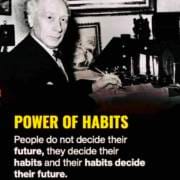
Conclusions can’t be overstated when it comes to habits, and when combined with Stoicism, PMA, and psychology, habits prove even more powerful. It is possible to form habits that lead us to a fulfilling and happy life by developing self-discipline, cultivating a positive mindset, understanding the psychology of habits, and staying committed to our goals. Matthias Alexander once said, “People do not decide their future, they decide their habits, and habits decide their future.” Let’s create positive, healthy habits that will improve our lives. We can create habits that lead us to our goals and a life of satisfaction and joy by exerting intentional and consistent effort. To ensure a bright and promising future, let’s commit to forming beneficial habits now.

If you have any tips on how to create your own habits, please share them with us!

Cheers,
Jay Pacheco

Live Life Fully

How can we live life fully?

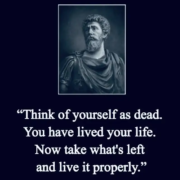
Marcus Aurelius, a Stoic philosopher and Roman Emperor, left us with the timeless quote: “Think of yourself as dead. You have lived your life. Now take what’s left and live it properly.” This quote represents a powerful reminder that time is finite, and it’s essential to enjoy each day to the fullest. For example, Marcus Aurelius himself valued his time and wrote, “Life is short. Time is fleeting. Nothing is ours, except time.”

Stoicism teaches us that we should not be afraid of death because it is a natural part of life. By imagining ourselves as dead, we can cultivate an appreciation for the present moment and realize that every day is a gift. We can learn to focus on what we can control and let go of things outside our control. For instance, during difficult times, it can be helpful to remember that this too shall pass, and that our time on Earth is limited and should be used with intention and purpose.

Living properly means being in alignment with our values and being the most positive version of ourselves. We should strive to pursue life with intention, purpose, and virtue. The Stoics believed that the key to a fulfilling life is to behaveaccording to our nature, which entails interacting with wisdom, courage, justice, and self-control. For instance, living with intention could mean setting aside time each day to focus on our personal growth, or making sure that our actions are in line with our values and that they are helping us to reach our goals.

To live a Stoic life and make the most of our time, we can implement practical steps such as setting goals, focusing on what we can control, and practicing gratitude. We should set meaningful goals that align with our values and take consistent action towards achieving them. We should also remember that there will be obstacles and setbacks along the way, but we can use them as opportunities to grow and learn. For example, we can practice gratitude by taking time to write down three things we are grateful for each day, or by appreciating the small moments that we usually take for granted.

Stoics believe that focusing on what we can control and accepting what we cannot control is a crucial part of living properly. We cannot control external events, but we can control our responses to them. We should not waste time and energy worrying about things beyond our control. Instead, we should focus on how we can respond to them in a way that aligns with our values.

Practicing gratitude is another way to live a Stoic life. By appreciating what we have and focusing on the present moment, we can cultivate a sense of contentment and joy. We should take time each day to reflect on the things we are grateful for, no matter how small. Doing this is a powerful way to foster inner peace and lasting wellbeing.

Finally, Marcus Aurelius’s quote is a powerful reminder that time is finite, and we should make the most of every day. Stoicism teaches us to focus on what we can control, live according to our values, and cultivate gratitude. By living properly, we can find fulfillment and purpose in life and leave a positive legacy for future generations. For example, Marcus Aurelius is remembered for being a wise and fair ruler, as well as for his writing on Stoic philosophy.

Have you been impacted by the above quote?

Please share with us how you are living your life.

Cheers,
Jay Pacheco

PMA and Stoicism – Living a Fulfilling Life!

Have you ever wondered what it would be like to live a more fulfilling life? Interested in Stoicism and a positive mental attitude but not sure how to get started?

Well, look no further!

Stoicism and positive mental attitude (PMA) are two powerful approaches to personal growth and self-improvement. These concepts have been around for thousands of years, with philosophers, writers, and entrepreneurs alike espousing the benefits of adopting these attitudes in daily life. As we explore Stoicism a bit in this blog, we’ll discuss PMA and how modernization has popularized its ideas.

Stoicism: The Philosophy of Resilience and Self-Control

Stoicism is an ancient Greek philosophy that has been passed down through the ages. It emphasizes the development of self-control, rationality, and resilience in the face of adversity. The philosophy teaches that we cannot control external events, but we can control our reactions to them. By focusing on our thoughts and emotions, we can learn to be more resilient and less affected by external circumstances.

Some of the most notable figures associated with Stoicism include:

  1. Epictetus: A former slave and prominent Stoic philosopher, Epictetus believed that individuals should focus on what is within their control and accept what is not.

  2. Marcus Aurelius: A Roman emperor and Stoic philosopher, Marcus Aurelius emphasized the importance of self-reflection and personal growth in achieving inner peace.

  3. Seneca: A prominent Roman Stoic philosopher, Seneca believed that adversity should be embraced as an opportunity for personal growth.

  4. Zeno of Citium: The founder of Stoicism, Zeno of Citium believed that individuals should live in accordance with nature and reason.

  5. Socrates: Although not a Stoic philosopher, Socrates influenced the development of Stoicism by emphasizing the importance of virtue and self-reflection.

Positive Mental Attitude (PMA): The Power of Positive Thinking

Positive mental attitude (PMA) is a concept that gained popularity in the 20th century self-help movement. The belief is that by focusing on positive thoughts and attitudes, we can improve our outcomes and achieve our goals. The idea is that if we approach life with a positive mindset, we will attract rewarding experiences and people into our lives.

Some of the most prominent figures in modern history who espoused the benefits of PMA include:

  1. Napoleon Hill: In his book “Think and Grow Rich,” Napoleon Hill emphasized the importance of positive thinking and visualization in achieving success.

  2. Henry Ford: The founder of Ford Motor Company, Henry Ford believed in the power of positive thinking and the importance of perseverance in achieving success.

  3. Andrew Carnegie: A philanthropist and entrepreneur, Andrew Carnegie believed that success was achievable through a positive mindset and the pursuit of one’s passions.

Tips for Incorporating Stoicism and PMA into Your Life

Here are some tips on how to incorporate Stoicism and PMA into your life:

  1. Practice mindfulness: Mindfulness can help you become more aware of your thoughts and emotions, and help you develop greater control over them.

  2. Focus on what you can control: Recognize what is within your control and what is not. By focusing on what you can control, you can reduce your anxiety and increase your sense of control over your life.

  3. Practice gratitude: Expressing gratitude for what you have can help you maintain a positive attitude and attract more positive experiences into your life.

  4. Set goals: By setting goals and working towards them, you can develop a sense of purpose and direction in your life.

  5. Repeat positive affirmations: By repeating positive affirmations to yourself, you can shift your mindset and attract positive experiences into your life.

Making a Connection: The Power of Stoicism and PMA Combined

Despite their seemingly different approaches, Stoicism and PMA can be effective when combined. The way to become more resilient and better equipped for life’s challenges is to focus on what you can control, accept what can’t be controlled, and cultivate a positive mindset.

As a result, Stoicism and PMA have stood the test of time as powerful approaches to personal growth and self-improvement. You can achieve success in all areas of your life by incorporating the tips above into your life and adopting a mindset of resilience and positivity.

Which tools are you working with? Or want to learn more about?

Share your comments.

Cheers,
Jay Pacheco

xr:d:DAFby6qjmf4:4,j:4429093414,t:23022720

Psychology: Neurons and the Mind.

I have compiled a comprehensive article on psychology, neurons, and the mind with references from academic textbooks and real examples. And to further emphasize the importance of neurons and the mind in psychology, this article includes researched findings and first-hand accounts from experts in the field. For instance, the article discusses the role of neurons in the formation of memories and how the mind can influence behavior and emotions.

Introduction:

Psychology is the scientific study of behavior and mental processes, which includes the study of neurons and how they contribute to the functioning of the mind. Psychologists study both conscious and unconscious processes, such as thoughts, emotions, beliefs, and motivations. They use this knowledge to help people understand and manage their thoughts, feelings, and behavior.

This article will explore the basics of psychology, neurons, and the mind, with examples drawn from academic textbooks such as Physiology of Behavior, Cognitive Psychology, and Introduction to Psychology. For instance, the text Physiology of Behavior includes an explanation of how neurons communicate with one another. This explanation explains how this communication is integral to the functioning of the brain and behavior.

Psychology:

Psychology is a broad field of study that encompasses many different areas of research and practice. According to Myers (2014), “Psychology is the scientific study of behavior and cognitive processes” (p. 2). It seeks to understand why people think, feel, and act in certain ways, and how these processes are influenced by a range of biological, social, and environmental factors. By understanding these factors, psychologists can help people identify, analyze, and manage their thoughts and feelings to improve their mental health and well-being. Psychologists also use their knowledge to develop treatments and interventions for mental health issues, as well as to inform public policy decisions. For instance, psychologists can conduct research to investigate the effects of poverty on mental health and create interventions to help people cope with the psychological distress associated with it. As a result, psychologists play an invaluable role in helping people to deal with mental health issues, both on an individual and societal level.

Neurons:

IMG_2430.jpeg

Neurons are specialized cells that make up the nervous system and play a critical role in how the mind functions. According to Carlson (2013), “neurons are the basic units of the nervous system that receive, integrate, and transmit information” (p. 49). Neurons have three main parts: the cell body, the axon, and the dendrites. The cell body contains the nucleus, which controls the cell’s functions. The axon is a long, thin extension that transmits electrical signals away from the cell body. The dendrites are shorter extensions that receive signals from other neurons. Neurons communicate with each other through a process called neurotransmission, which involves the release of chemicals called neurotransmitters. According to Carlson (2013), “the release and binding of neurotransmitters are the means by which neurons communicate with each other” (p. 63). This process allows neurons to transmit signals quickly and efficiently throughout the nervous system.

Example: An example of the importance of neurons in behavior can be seen in the study of Parkinson’s disease. Parkinson’s disease is a neurological disorder that affects millions of people worldwide. One of the hallmarks of the disease is the loss of neurons in the brain that produce the neurotransmitter dopamine. As a result, people with Parkinson’s disease may experience tremors, difficulty with movement, and other symptoms.

Furthermore, the loss of these neurons can cause an imbalance in the neurotransmitters in the brain. This can lead to impairments in motor control and other behaviors seen in Parkinson’s disease. Without these neurons, the brain cannot properly send the signals needed for normal movement.

The Mind:

The mind is a complex concept that refers to the brain’s ability to process information, make decisions, and experience emotions. According to Myers (2014), “The mind encompasses an individual’s subjective experience of the world and the mental activities of perception, thought, memory, and feeling” (p. 100). The mind is also influenced by many different factors, including genetics, the environment, and experiences.

One of the most significant theories in psychology is the biopsychosocial model, which suggests that the mind is influenced by biological, psychological, and social factors. For example, depression may be caused by a combination of genetic factors, life experiences, and social support. The biopsychosocial model became popular in 1977 when George Engel, a psychiatrist, and internist at the University of Rochester Medical Center in New York, published his seminal paper on the topic.

Example: An example of the mind at work can be seen in the study of memory. Memory is a complex process that involves the encoding, storage, and retrieval of information. Researchers have shown that memory is influenced by many different factors, including attention, emotion, and context. For example, a person may remember a traumatic event more vividly than a routine event due to the emotional significance of the experience. Memory is the process of encoding, storing, and retrieving information.

Conclusion:

Psychology, neurons, and the mind are interrelated concepts that are critical to our understanding of human behavior and mental processes. By studying these topics, we can gain a deeper understanding of why people think, feel, and act in certain ways. This will enable us to better understand and improve our own behavior and mental health. Examples drawn from academic textbooks demonstrate the real-world applications of these concepts and provide insight into the complex workings of the mind. For example, psychological theories can be used to explain and predict behavior and mental processes such as decision-making, problem-solving, and emotions. Neurons are the basic building blocks of the nervous system and are responsible for transmitting information from one part of the body to another. By studying how neurons interact with one another and how they process information, we can gain a better understanding of how our minds work. This understanding can help us better understand and manage our own behavior and mental health.


I hope this article has been informative for you and feel free to share it with your friends. Also, if you are interested in learning more about other topics, let us know.


Cheers,
Jay Pacheco


References:

Carlson, N. R. (2013). Physiology of Behavior (11th ed.). Pearson.

Carlson, N. R. (2022). Psychology of Behavior (13th ed.). Pearson.

Foundations of Clinical Psychiatry (4th ed). Melbourne Univ.

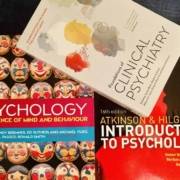
Nigel Holt, Ronald Smith (2019). Psychology: The Science of Mind and Behaviour. McGraw-Hill

Stoicism, PMA, and The Law of Attraction

You probably hear about a lot of the Law of Attraction here or there and might be wondering what it is, does it work? How come it works for some people and not for you?

For the few people that the Law of Attraction works for, it’s because they either knowingly or unknowingly use a bit of Stoicism and a Positive Mental Attitude mindset. With that in mind, a positive mindset leads to a natural positive outcome. For example, when faced with a difficult situation, an open-minded person would look for the silver lining, while a negative-minded person would only see the downside.

The power of the mind and its ability to shape our lives is central to the concepts of stoicism, positive mental attitude (PMA), and the law of attraction. As a result of each of these approaches, we aim to develop a positive mindset and control our thoughts and emotions to achieve our desired goals. Despite their apparent differences, all of them promote the idea that our thoughts and attitudes have a profound impact on our lives. Throughout this blog, we’ll explore these concepts in more detail and examine their connections. It is possible to create an empowered, positive mindset and make meaningful changes in our lives by understanding and applying these approaches.

Stoicism: The Philosophy of Resilience and Self-Control

The Stoic philosophy emphasizes the development of self-control, rationality, and resilience in adversity. A number of Stoic philosophers (Marcus Aurelius, Seneca the Younger, Epictetus, Cato the Younger, Zeno of Citium – founder of Stoicism), Cleanthes, and Hecato of Rhodes) were very influential. The goal of Stoicism is to achieve inner peace and tranquility by recognizing what is within our control and what is not. In Stoicism, people believe that they can control how they react to external events, but not the events themselves. Being more resilient and less impacted by external circumstances requires focusing on our thoughts and emotions.

It is one of the most famous Stoic practices to visualize the worst-case scenario and prepare ourselves mentally for it. In this way, we become more accepting of unfavorable outcomes and less dependent on external outcomes. When we focus on what we can control, our anxiety can be reduced and we will feel more in control of our lives. Negative visualization helps us to become more aware of our mortality and how fragile life is. Instead of worrying about the future and clinging to what we cannot control, we can appreciate the present moment. Additionally, it can improve our resilience to adversity by helping us develop more realistic expectations.

The concept of negative visualization dates back thousands of years and was used by philosophers like Epictetus, Marcus Aurelius, and Seneca.

Positive Mental Attitude (PMA): The Power of Positive Thinking

As a concept, a positive mental attitude (PMA) emerged in the 20th century and gained popularity in the self-help movement. PMA refers to the idea that by focusing on positive thoughts and attitudes, we can achieve our goals and improve our outcomes. Those who approach life with the right mindset will attract wonderful experiences and people.

The concept of a positive mental attitude gained popularity in 1937 with the publication of Napoleon Hill’s book Think and Grow Rich. The book discusses the importance of positive thinking as a principle of success, especially in business.

PMA is often associated with affirmations, visualization, and positive self-talk. By repeating positive statements to ourselves and imagining our desired outcomes, we can shift our mindset and attract beneficial experiences. Our thoughts and attitudes create a magnetic force that attracts things and desires.

The concept of positive affirmations originated in ancient eastern religions. Affirmations are words or phrases that evoke a positive state of mind, such as “I am strong and beautiful”.

The Law of Attraction: The Power of Manifestation

As a metaphysical concept, the law of attraction says that like attracts like. In accordance with this law, thoughts and emotions have a vibrational frequency that attracts thoughts and emotions of a similar frequency. The idea is that with positive thoughts and emotions, we can manifest our desires into reality. A powerful concept, the law of attraction is based on the belief that we can manifest our realities through focused thoughts and emotions. Creating a vibrational frequency that is characterized by abundance and joy can be achieved by engaging in positive thinking.

Positive affirmations, gratitude, and visualization are often associated with the law of attraction. In order to align our vibration with what we desire, we should visualize our desired outcomes, express gratitude for what we have, and repeat positive affirmations. In general, it is believed that the universe responds to our vibration and sends us experiences that match our frequency.

Prentice Mulford was the first person to articulate the law of attraction as a general principle. He discusses the law at length in his essay “The Law of Success”, published in 1886-1887.

The Relationship between Stoicism, PMA, and the Law of Attraction

In spite of their differences, these three concepts have some things in common. All three of them emphasize that our thoughts and attitudes significantly influence our outcomes. Each of them emphasizes the importance of focusing on what we can control and letting go of what we cannot. Furthermore, they motivate us to change our mindsets and attitudes in order to improve our lives. Each concept encourages us to become aware of our thoughts and emotions and to focus on the present moment. Every single one of them emphasizes the importance of taking responsibility for our lives and understanding that our attitudes and beliefs can profoundly affect the outcomes of our lives. As an added bonus, each concept suggests that rather than simply reacting to circumstances, you should take action to create the life you want.

One of the key differences between Stoicism and other approaches to adversity is the emphasis on acceptance and resilience. A difference between PMA and the law of attraction is that they emphasize positive thinking and manifestation. Having a Stoic approach can help us prepare for negative outcomes and put our attention on the things we can control. In contrast, PMA and the law of attraction encourage us to think positively and to attract positive outcomes into our lives. In Stoicism, acceptance of what we cannot change is emphasized, and taking actions that we can control is encouraged. According to PMA and the law of attraction, we should focus our thoughts on what we want and try to manifest them.

As a result, Stoicism, a positive mental attitude, and the law of attraction are all valuable concepts for self-improvement. Though their approaches may differ, they both believe we can shape our lives through the power of our minds. Keeping our thoughts and attitudes in check helps us become resilient, positive, and open to the experiences we desire. As a result of these ancient truths about manifestation and magical thinking, we continue to be inspired to create a better life for ourselves and others. As evidenced by ancient philosophies and teachings across the globe, this idea has existed for centuries. This concept is based on the notion that thought creates reality – that what we concentrate on and think about creates our reality. It is our thoughts and emotions that contain the power and energy that can help us manifest the outcomes we desire when we use them deliberately and consistently.

What are your experiences using The Law of Attraction in conjunction with Stoicism and Positive Mental Attitude (PMA)?

We’d love to hear about your experiences so that others can learn from them as well!

Cheers,

Jay Pacheco

Tools of PMA Science

Toolkit: PMA, Stoicism, Psychology

I’ve been asked if thinking is difficult and my answer is yes.

It has been a question I have asked, and I have gotten more answers about what it isn’t than what it is.

Let’s take a look at Carl Jung’s famous quote.

“Thinking is difficult, that is why most people judge” – Carl Jung

Like many people, I have always loved this quote, but it turns out he never actually said it. However, he did say Thinking is difficult, therefore let the herd pronounce judgment!, which may explain the misappropriation. Jung’s similar quote appears on page 46 of ‘Flying Saucers: A Modern Myth of Things Seen in the Skies’, first published in English in 1959 and later included as part of the Collected Works of C.G. Jung – Civilization in Transition – Volume 10.

As a result of the above quote in 2019, I began reading in order to find out whether Jung was right or wrong. As such, I’m presenting the following toolkit on this blog to enlighten us with tools from Jung, Freud, Rene Descartes, etc. For example, I recently read about Descartes’ concept of “Cogito Ergo Sum” which translates to “I think, therefore I am”. This concept suggests that by doubting our own existence, we can come to the realization that we exist.

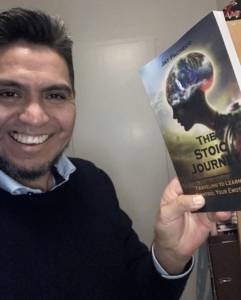
Furthermore, Rene Descartes was an avid reader of Stoicism, as I describe briefly in my book The Stoic Journey: Traveling to Learn Emotional Control.

When it comes to thinking for oneself, there are many different approaches one can take. However, one combination that has proven to be particularly effective is that of psychology, positive mental attitude (PMA), and stoicism.

Psychology is the study of the mind and behavior, and can be incredibly useful in helping individuals understand themselves and their thought patterns. Positive mental attitude, on the other hand, is a mindset that focuses on optimism and positivity, even in the face of adversity. Additionally, Stoicism emphasizes the importance of living according to reason and virtue, and accepting whatever life throws at you with equanimity.

When these three approaches are combined, individuals can develop a powerful toolkit for thinking for themselves. Here’s how it works:

  1. Psychology helps individuals understand their own minds.

By studying psychology, individuals can gain a deeper understanding of their own thought patterns and behaviors. For example, they may come to realize that they tend to dramatize situations or that they struggle with anxiety. Armed with this knowledge, they can begin to make changes and develop healthier thought patterns. With this understanding, individuals can work to identify the root causes of their thoughts and behaviors and develop strategies for addressing them. Additionally, by recognizing their own patterns, they can be more mindful of how they respond to situations and be better equipped to make positive changes in their lives.

  1. PMA helps individuals stay positive and focused on their goals.

When individuals adopt a positive mental attitude, they are better equipped to deal with the ups and downs of life. Instead of getting bogged down by setbacks or failures, they are able to stay focused on their goals and maintain a sense of optimism. This can be incredibly helpful when trying to think for oneself, as it allows individuals to stay true to their own values and aspirations. Having a positive attitude can help individuals to think more clearly and make better decisions. It helps to keep them motivated and focused on their goals, even in the face of adversity. Plus, it can have a positive effect on their physical and mental health, as it reduces stress and encourages them to stay balanced.

  1. Stoicism helps individuals accept what they cannot change.

Finally, stoicism can be incredibly helpful in teaching individuals how to accept things they cannot change. By focusing on reason and virtue, individuals can learn to let go of things outside of their control and instead place their attention on what they can control – their own thoughts, behaviors, and reactions. This can be incredibly helpful in allowing individuals to think for themselves. This is because it frees them from worrying about external factors and allows them to focus on their own internal compass. Reason and virtue provide a framework for making decisions and taking action. By learning to rely on this internal compass, rather than external influences, individuals are better able to make decisions that are in their own true interest, rather than in the interest of someone else. This can help them to become more self-reliant and self-sufficient.

When these three approaches are combined, you as an individual can develop a powerful toolkit for thinking for yourself. By understanding your own mind, staying positive and focused on your own goals, and accepting what you cannot change, you can develop a strong sense of self. This will enable you to make decisions that are true to your own values and aspirations. So if you’re looking to think for yourself, consider incorporating psychology, a positive mental attitude, and stoicism into your own approach. You can overcome obstacles and achieve your goals by applying psychological principles such as self-determination theory and a growth mindset.

Share which tool you are currently using or browse articles on this site to learn more!

Cheers,
Jay Pacheco

The Fascinating Tools to Explore The Mind

Fascinating tools to understand the mind by blending psychology, neuropsychology, neuroplasticity, Stoicism, and Positive Mental Attitude (PMA).

PMA Science is what we call it!

Welcome to the fascinating world of psychology and neuroplasticity! In brief, here we will explore how your brain impacts your behavior, thoughts, and emotions in a short introduction to these branches of mental science.

In addition, this piece will conclude with a tiny connection between psychology, neuropsychology, neuroplasticity, positive mental attitude (PMA), and stoicism.

Psychology:

The study of psychology involves the analysis of the mind, behavior, and mental processes. It explains how humans and animals think, feel, and behave. It also explains the underlying psychological processes that govern these processes. It aims to understand the way people and animals think, feel, and behave.

Among the major functions of psychology is to describe, explain, predict, and modify behavior in chemical and electrical processes.

Description involves identifying and classifying behaviors and mental processes, such as emotions, thoughts, and attitudes.

Explanation involves determining the causes and underlying processes that give rise to these behaviors and mental processes.

Prediction involves using this knowledge to make accurate forecasts about future behavior and mental processes.

Modification involves developing and implementing strategies to change behavior and mental processes in a desired way, such as through therapeutic interventions or behavior modification techniques.

In addition, psychology encompasses a wide range of subfields, including social psychology, developmental psychology, cognitive psychology, clinical psychology, and many more. Its applications are far-reaching and diverse, and include fields such as education, health care, business, and law enforcement, among others.

Exploring and becoming familiar with the inner workings of your brain can help you gain a deeper understanding of how it influences your behavior, thoughts, and emotions. Lastly, your brain is responsible for processing information from your environment, storing memories, and coordinating your body’s movements.

Psychology 1.1:
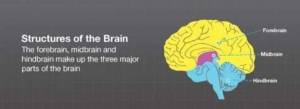
The brain is made up of several different structures, each with its own unique functions. The cerebrum, or outer layer of the brain, is responsible for higher-level thinking, such as reasoning, problem-solving, and decision-making. The cerebellum, located at the back of the brain, is responsible for controlling movement and balance. The brainstem, located at the base of the brain, is crucial for regulating key bodily functions, such as breathing and heart rate.

For example one of the most significant functions of the brain is its ability to regulate your emotions. The limbic system, a group of structures located deep within the brain, is responsible for processing emotions and regulating your responses to them. For example, when you feel threatened or afraid, the amygdala, a part of the limbic system, sends a signal to the rest of the brain, triggering the “fight or flight” response.

Your brain also plays a significant role in your thoughts and perceptions. The way you interpret and process information is influenced by your brain’s structure and function. For example, people who suffer from depression may have an imbalance of certain neurotransmitters in their brain, which can impact their mood, thoughts, and behaviors.

By studying the brain, psychologists and neuropsychologists can gain a better understanding of how it influences behavior, thoughts, and emotions. This knowledge can be used to develop interventions and therapies that can help individuals overcome psychological and neurological disorders. Through ongoing research and exploration, we continue to learn more about the inner workings of the brain and how it shapes our daily lives.

Neurons & Synapses Interaction

Throughout the nervous system and brain, neurons play a fundamental role. They are specialized cells that transmit and process information through electrical and chemical signals. The basic function of neurons is to communicate with other neurons, muscles, or glands in the body.

Each neuron consists of a cell body, dendrites, and an axon. Dendrites are tree-like branches that receive signals from other neurons, while the axon is a long, thin fiber that carries the signal away from the cell body to other neurons. The end of the axon forms a specialized structure called a synapse, which allows the neuron to transmit its signal to another neuron or to a muscle or gland.

Synapses are the connections between neurons that allow them to communicate with one another. When a neuron receives a signal from a neighboring neuron, it fires an electric impulse that travels down the thaxon. This impulse triggers the release of chemicals called neurotransmitters at the synapse. These neurotransmitters then bind to receptors on the receiving neuron. This causes an electrical signal to be generated in that neuron, which in turn can generate a new electrical signal or relay the signal to other neurons.

The interaction between neurons and synapses is what allows the brain to process and integrate information from the environment and generate appropriate responses. The brain contains billions of neurons that are connected by trillions of synapses, forming complex neural networks that underlie all aspects of cognition, emotion, perception, and behavior.

Different regions of the brain contain specialized neural networks that are involved in different functions, such as vision, hearing, movement, language, and memory. The precise patterns of neural activity within these networks determine how the brain processes and responds to incoming information, and how it generates complex behaviors and experiences.

Overall, the functions of neurons, synapses, and their interaction within the brain are essential for the proper functioning of the nervous system. This is essential for all aspects of human experience and behavior.

Neuropsychology:

Neuropsychology is a branch of psychology concerned with how a person’s cognition and behavior are related to the brain and the rest of the nervous system. Professionals in this branch of psychology often focus on how injuries or illnesses of the brain affect cognitive and behavioral functions.

2.2 Exploring Neuropsychology

Exploring the basic structure and functions of the brain is essential to understanding how it works and how it influences behavior, thoughts, and emotions.

Researchers use a variety of techniques to study the brain, including neuroimaging, electrophysiology, and lesion studies.

Since science has divided the brain into several different structures, each with its own unique functions. The following parts of the brain function in this manner, making it easier for neuropsychologists to study and understand. The cerebrum, or outer layer of the brain, is divided into two hemispheres, the left and the right. The left hemisphere is responsible for language processing, logical thinking, and analytical reasoning.

The right hemisphere is responsible for creativity, spatial awareness, and emotional processing. The cerebellum, located at the back of the brain, is essential for coordinating movement and balance. The brainstem, located at the base of the brain, is responsible for regulating various bodily functions, such as breathing and heart rate.

Neuroimaging techniques, such as magnetic resonance imaging (MRI) and positron emission tomography (PET), allow researchers to visualize the structure and activity of the brain. By tracking blood flow or the distribution of certain chemicals in the brain, researchers can gain insight into how the brain functions during different tasks or in response to different stimuli.

Electrophysiological techniques, such as electroencephalography (EEG) and magnetoencephalography (MEG), measure the electrical and magnetic activity of the brain. These techniques can help researchers understand how different brain regions communicate with one another and how the brain processes sensory information.

Lesion studies involve examining the brains of individuals who have experienced brain damage due to injury or disease. By studying the effects of damage on a person’s behavior and cognitive functioning, researchers can gain insight into the functions of different brain regions. This is at the neuron and synaptic levels.

By using the above and other techniques, researchers continue to uncover new information about the structure and function of the brain. This knowledge can be used to develop interventions and therapies for individuals with neurological and psychological disorders. The study of the brain is an ongoing and ever-evolving field, with new discoveries and breakthroughs occurring every day.

  1. Neuroplasticity basics explained

Neuroplasticity refers to the brain’s ability to change and adapt in response to various learning experiences, learning, and injury. It is the process by which the brain creates new connections between neurons or strengthens existing ones, allowing for the formation of new neural pathways. This means that the brain is not a static, unchanging structure, but rather a highly dynamic and flexible organ that is constantly reshaping itself throughout our lives. Neuroplasticity can be harnessed for positive outcomes, such as recovering from injury, improving cognitive abilities, or enhancing learning and memory.

Connecting PMA and Stoicism:

Exploring the inner workings of your brain can be useful in developing a positive mental attitude and practicing stoicism.

Understanding how your brain impacts your behavior, thoughts, and emotions can help you identify areas for improvement and develop strategies for managing negative thoughts and emotions.

Note: 1

In Positive Mental Attitude (PMA) Science and Stoicism, the brain is the hardware, and the mind is the software (bios or pure astral energy), whereas all other sciences call the brain and the mind the same thing.

Psychology, Neuroscience, and Neuroplasticity can provide a great deal of insight into the hardware (brain) and some parts of the bios (mind) in detail. Alternatively, Stoicism and PMA focus primarily on the mind and cosmic and nature philosophical level (BIOS/THOUGHT/ MINDSET), coupled with a decision to live in harmony with nature and stress the things we can control and the things we cannot control, along with our understanding of nature and our own feelings. This could be the canvas where we choose to rewrite our mental codes if we want to rewrite a happy thought for example.

Note 2.

Due to their nature disabilities, people born with disabilities can’t rewrite their mindset! -or perhaps needs more study?

PMA
Positive mental attitude is a mindset state characterized by optimism, resilience, and a belief in one’s abilities to overcome challenges. By understanding how the brain processes and responds to different stimuli, you can develop techniques for training your brain to focus on positive thoughts and emotions. For example, practicing gratitude, focusing on your strengths, and engaging in activities that bring you joy can help boost your mood and build a positive mental attitude.

Stoicism:

It is a philosophy that emphasizes the importance of self-control, rationality, and acceptance of the present moment. By understanding how the brain processes emotions, you can develop techniques for managing negative thoughts and emotions and practicing stoicism. For example, mindfulness meditation can help you cultivate a non-judgmental awareness of your thoughts and emotions, allowing you to respond to them in a calm and rational manner. Similarly, reframing negative thoughts and practicing cognitive restructuring can help you challenge and change negative thought patterns.

The World of the Mind and its Tools

The study of the brain in psychology has revealed that the brain is highly adaptable. This is because it is capable of changing its structure and function in response to varying experiences and learning. This ability of the brain to change is known as neuroplasticity.

Positive mental attitude and stoicism are two concepts that have been associated with psychological well-being and resilience. Positive mental attitudes involve cultivating optimistic and constructive thinking patterns, whereas stoicism involves accepting things that are beyond our control and focusing on the present moment.

Research has shown that positive mental attitude and stoicism can have a significant impact on the brain and its function. For example, positive thinking has been shown to activate certain areas of the brain associated with reward and motivation. Negative thinking can activate areas associated with stress and anxiety. Similarly, practicing stoicism can help reduce stress and anxiety by promoting a sense of acceptance and equanimity.

Neuroplasticity is also relevant to positive mental attitude and stoicism. This is because it suggests that these attitudes can be cultivated through intentional practice and can lead to lasting changes in the brain. For example, research has shown that mindfulness meditation, which involves focusing on the present moment and accepting one’s thoughts and emotions without judgment, can increase the density of gray matter in areas of the brain associated with attention and emotional regulation.

In addition, neuroplasticity suggests that individuals can overcome negative thinking patterns and develop positive mental attitude through intentional practice and cognitive restructuring. For example, cognitive-behavioural therapy is a form of therapy that is based on the idea that negative thoughts and beliefs can be changed through conscious effort and practice, leading to improvements in mental health and well-being.

Overall, the study of the brain in psychology and neuroplasticity can help us understand how positive mental attitude and stoicism can lead to improved mental health and well-being, and how intentional practice can promote lasting changes in the brain. By cultivating positive mental attitude and practicing stoicism, individuals can learn to cope with life’s challenges in a healthy and adaptive way, leading to greater resilience and emotional well-being.

Final thoughts

Exploring the inner workings of your brain can be a powerful tool in developing a positive mental attitude and practicing stoicism.

Stoicism, the philosophy that teaches individuals to focus on what they can control, rather than what they cannot. This is done to maintain a calm and rational mindset in the face of challenges.

Neuroplasticity can be harnessed to strengthen the neural pathways that support positive mental attitudes and stoicism. For example, research has shown that regularly practicing mindfulness meditation can lead to changes in the brain that increase empathy, emotional regulation, and cognitive flexibility – all traits that are associated with a positive mental attitude and stoicism.

Similarly, intentionally focusing on positive thoughts and experiences, and consciously choosing to interpret events in a positive light, can help reinforce the neural pathways that support these attitudes. Over time, these practices can become habitual, and the brain will naturally default to a more cheerful and stoic outlook.

It’s helpful to note that neuroplasticity is not a quick fix, and changing the brain takes time and consistent effort. But with patience and persistence, it is possible to rewire the brain (thoughts) to support a more positive and stoic mindset, leading to enhanced resilience and well-being.

As a final example, we have Dr. Joe Dispenza as a living person. He decided to be a better person by practicing gratitude with a positive mental attitude. He recovered from his injuries quicker because he decided to have a positive mindset. And now Joe Dispenza, is a neuroscientist, researcher, and New York Times bestselling author. -Evolve Your Brain: The Science of Changing Your Mind.

Let us know in the comments below what you’d like to learn more about. Also, let us know how this article might help you cope with your daily struggles using psychology, neuroplasticity, PMA, and stoicism?

Cheers,
Jay Pacheco
My first run in 2023

Taking a run in Marum Skogen on a sunny winter day


Taking My First Run through Marum Skogen, Sandefjord on a Sunny Winter Day February 12th of 2023. Marum Skogen is a nature reserve located in Sandefjord, Norway, and it is known for its stunning summer and winter scenery. Today on a sunny winter day, the snow-covered trees and small hills created a picturesque contrast against the bright blue sky, making it the perfect place to go for a run.

Winter days in Sandefjord can be cold and gloomy, but not today! The sun was shining brightly, making the snow glisten and the air crisp and invigorating. In the end, I decided to take advantage of the pleasant weather for my first run following work, while exploring and enjoying Marum Skogen at the same time. I’ve been meaning to run through Marum Skogen for a while now, and I’m so glad I finally got the chance. The forest was even more stunning than I expected, with its snow-covered trees and sparkling streams. I could hear the crunch of snow under my feet as I ran, and the only other sounds were the chirping of birds and the occasional rustle of leaves.

The warmth of my muscles and the ease of my breathing increased as I progressed deeper into the forest. I was surrounded by peaceful stillness, and it was an idyllic escape from the hustle and bustle of city life. I ran for about an hour, taking in all the sights and sounds around me. I even saw a few horses eating outside along the way, which was a real treat!

I came across a small clearing in the forest at one point on the trip. I decided to stop and take a few pictures in that clearing to catch my breath. The sun was shining down on me, and I felt so grateful for this moment of peace and serenity. I stood there for a few minutes, taking in the beauty of the forest and feeling the warmth of the sun on my face.

My run through Marum Skogen continued after my break. I couldn’t believe how much energy I had and how happy I felt. I’m sure it was due to the fresh air, the scenic scenery, and the peaceful atmosphere.

On a sunny day, how do you like to spend your time?


Cheers
Jay Pacheco

IMG_1963.jpeg