A Great Fortune

A Great Fortune

Embrace Gratitude


As we navigate our fast-paced lives, we easily overlook the immense fortune we enjoy daily. Reflecting on the lives of influential philosophers like Marcus Aurelius and Seneca, we can see how far we’ve come and how fortunate we are in the present. While we can’t predict what the 22nd or 23rd centuries will bring, we can cherish and make the most of today.

Imagine yourself in a serene setting—a cozy café like Farris Bad, where you’re sipping a rich, velvety cappuccino. You’ve just savored a bowl of exquisite fish soup. Now, through the expansive windows, you watch the gentle waves of Larvik’s fjord lapping at the shore. The scene is peaceful, almost meditative. In moments like these, self-reflection naturally arises, with it, a deep appreciation for our blessings.

We live in an era of remarkable convenience and innovation. Think about it: with the simple touch of a button, we can communicate instantly across the globe, access vast knowledge, and capture our thoughts, whether for starting a business, writing a poem, a blog post, or even a book. All of this is made possible by technology, electricity, and the tools we often take for granted, like our mobile phones.

Sitting here contemplating the waves’ beauty, I am reminded of gratitude while writing this blog and doing the abovementioned things. Let’s acknowledge these modern marvels and the ultimate source of our existence—the creator of life itself.

Furthermore, today’s technologies allow us to experience the world around us more enriching and fulfilling. It is our great fortune to be able to enjoy every moment.


Imagine:

The Fortune You Hold Today

A Reflection on Our Modern Blessings

Consider the towering figures of ancient history—Marcus Aurelius, Seneca, and Epictetus, who rose from slavery to wisdom. These were men whose wealth, power, and influence were unparalleled, even by today’s lofty standards. They commanded empires and shaped history; their names have echoed through the centuries. Yet, in many ways, you, here and now, are far more fortunate than they could have ever imagined.

Picture Marcus Aurelius, the revered philosopher-emperor, desiring to read as darkness envelopes his palace. What seems a simple, almost trivial act for us today would have been an intricate endeavor for him. Servants would scurry to light torches, holding them steady to provide the flickering light needed for reading. If the night were cold, even more servants would be tasked with stoking fires, struggling to keep the emperor warm in Rome’s vast stone halls.

@pmasciencestoic.jpeg

This image contrasts ancient and modern life, emphasizing the advances in technology, comfort, and convenience.

Now, envision Seneca, the brilliant philosopher and one of Rome’s wealthiest men, planning a journey across the empire. His options were perilous—pirates prowled the seas, shipwrecks were a constant threat, and disease could strike without warning. His wealth could buy him comfort but not safety.

Contrast this with your life today. Do you wish to read? With a mere flick of a switch, your room, in an instant, is filled with light. Are you cold? You turn a thermostat dial, and warmth fills your room. Need to travel? You can traverse hundreds of miles in hours, enveloped in modern transportation safety and comfort. Even the simplest conveniences—zipping up a jacket, pulling on wool socks—are engineering marvels that would have been unimaginable in ancient Rome. These everyday items, so easily overlooked, rival Rome’s most outstanding achievements, such as the aqueducts that supplied water to millions.

Reflect on the most devastating pandemics of the past—the Antonine Plague of 165 CE, the Bubonic Plague, the Spanish Flu of 1918—disasters that ravaged entire civilizations, much like the COVID-19 pandemic that has shaken our world so recently in the past few years. Marcus Aurelius, who lived through a devastating plague, wrote about history’s relentless cycles in his Meditations. He reminded us that “all of this has happened before and will happen again.” Names and dates may change, but human struggle remains the same.

Now, ask yourself: Would you rather be poor today or fabulously wealthy in ancient Rome? The answer may initially seem obvious, but it’s worth a deeper reflection. Today, we buy extravagantly comforts, technologies, and opportunities that wealthy Romans couldn’t have imagined. We live in an era of unprecedented security, though it comes with modern stresses and uncertainties. We have access to vast stores of knowledge and medical advancements that would have seemed like sorcery to antiquity’s doctors.

But with these blessings comes a warning: let us not become complacent like the fabled Atlanteans, whose advanced civilization and technology vanished, leaving behind only myths and ruins. Will we, too, take our advancements for granted until they get lost in history? The Stoics, like Seneca and Epictetus, warned against such arrogance. Seneca once wrote that it is inexcusable not to learn from history, for our future is inevitably shaped by our understanding of what has come before. Epictetus, born into slavery, became one of history’s greatest philosophers, and his thoughts and wisdom are actual today. Furthermore, He taught that true power lies not in external circumstances but in our responses to them. His teachings on resilience and gratitude remind us to appreciate things we often overlook.

So, let us embrace this truth: we are fortunate. Every day, we should pause to acknowledge our incredible fortune and be deeply grateful for the countless blessings that fill our lives.

Interpretation:

This reflection masterfully contrasts the immense wealth and power of ancient figures like Marcus Aurelius, Seneca, and Epictetus with the relative abundance and convenience we enjoy today. Despite their influence and riches, these historical giants lacked the basic comforts we now take for granted—like instant light, warmth, and safe travel. (Though, most people today lack what these giants used – the power of their mind and regulation of emotions with gratitude) The vivid examples in the above text, such as the effort required for Marcus Aurelius to read by torchlight or the dangers Seneca faced while traveling, highlight how fortunate we are today. The inclusion of Epictetus broadens the perspective, reminding us that even those born into hardship can rise to greatness through resilience and wisdom. Ultimately, the text urges us to appreciate our time’s unprecedented security and comfort. It also encourages us to approach each day with gratitude, mindful of history’s lessons. The powerful blend of Stoicism, Positive Mental Attitude (PMA), and psychology encourages a perspective shift emphasizing resilience, gratitude, and the importance of learning from the past.

By Jay Pacheco

@pmasciencestoic

#ModernFortune #AncientWisdom

#StoicLife #GratitudeEveryday

#PhilosophyInAction #HistoryAndPerspective

#EpicLifeToday #ModernBlessings

#TimelessWisdom #PMAandStoicism

#stoicism #PositiveMentalAttitude

#ModernConveniences #Gratitude

#LifeLessons #AncientPhilosophy

#HistoricalReflection #MindfulLiving

#SelfImprovement #PhilosophyOfLife #pmascience #pmasciencestoic #pmascienceuniversity

Navigating Life’s Turbulence

How to Live in an Imperfect World: Using Stoicism, PMA, and Psychology Mindset

F8B0197B-0F37-403C-97D0-212E071C932E.jpeg

The present era isn’t much different than the Sumerian era -just that the Sumerians understood cosmology and spiritual knowledge more than the present era, though; in this present era where chaos often feels like the norm, mastering the art of living in an imperfect world can seem like a Herculean task. However, ancient wisdom and modern science offer profound tools to navigate life’s inevitable turbulence. The following tools can help us if we try to use them, and we can begin by embracing Stoicism, cultivating a Positive Mental Attitude (PMA), and leveraging psychological principles; one can transform obstacles into opportunities, achieving a state of equilibrium and resilience. The choice? Yours alone!

Let’s explore how these tools can help us navigate this imperfect life.

The Stoic Shield: Embracing Adversity with Tranquility

8A300F7E-D355-4157-92D0-6D682195CA18.jpeg

Stoicism, a philosophy born in the austere corridors of ancient Greece, combined with Sumerian wisdom, enlightens us to accept the world as it is rather than as we wish it to be. Imagine you are a ship’s captain, navigating through stormy seas of emotions, negative and positive thoughts, and your and others’ behaviors. The Stoic captain doesn’t curse the storm but adjusts the sails, understanding that the disruption is beyond control, but his response is not.

Example: Consider the Roman Emperor Marcus Aurelius. Despite being at the helm of a vast empire plagued by wars, plagues, and political intrigue, Aurelius maintained his composure by reflecting daily on his Stoic principles. His meditations were not about changing the world but fortifying his mind against it. This practice of reflecting on what is within our control and what is not can serve as an anchor in our own lives. Next time you face a seemingly insurmountable problem, pause. Ask yourself: “What can I control in this situation?” Focus your energy there, and let go of the rest.

The Power of Positive Mental Attitude: Shifting Perspectives

2B228FFE-5BBA-4AED-9EA1-9EF8B9D3D2C2.jpeg

A Positive Mental Attitude (PMA) is the conscious practice of focusing on the good in every situation and converting obstacles into positive mental outlooks. It’s akin to being an alchemist, transforming lead into gold—though lead is complex thoughts converted into golden positive ones. While the Stoic accepts the storm, the practitioner of PMA finds the silver lining within it, perhaps seeing it as a challenge that hones their navigation skills.

Example: Norman Vincent Peale, the author of “The Power of Positive Thinking,” recounted countless stories of individuals who achieved success through PMA. One such story is of Thomas Edison. Edison famously said when his factory burned, destroying years of work, “Thank goodness all our mistakes were burned up. Now we can start again fresh.” This attitude exemplifies resilience and the ability to see a devastating event as an opportunity for innovation and improvement.

Note: Napoleon Hill also recorded and wrote much of this in his famous book Think and Grow Rich.

Psychological Strategies: Rewiring the Mind

CA851E7C-8B7E-4D31-BA38-010B48EF287C.jpeg

Modern psychology offers practical tools to reshape our cognitive responses to adversity. Cognitive Behavioral Therapy (CBT), with Stoic roots, for example, is a method that helps individuals reframe negative thought patterns. Picture your mind as a garden: unchecked; it can become overrun with weeds (negative thoughts). CBT is the diligent gardener, pulling out these weeds and planting seeds of positivity and rationality.

Note: CBT is often applicable in psychotherapy, psychology, and psychiatry.

  • Psychotherapy isn’t a science because it combines several aspects of therapy, psychology, and psychiatry.
  • Psychiatry is a branch of medicine and often prescribes medications to patients.
  • Psychology, the science of mind and behavior, has many branches, such as cognitive psychology, positive psychology, marketing psychology, and social psychology.

Example: A study participant dealing with severe anxiety might use CBT techniques to challenge and alter their catastrophic thinking. Instead of panicking about a minor workplace mistake, they learn to counter irrational thoughts with balanced, realistic assessments: “One mistake does not define my entire career.” This shift from irrational fear to rational thinking creates a fertile ground for mental resilience.

Note: If CBT doesn’t work, some medications might need to be prescribed, and remember, CBT isn’t for everyone since every mind is different and might require different approaches.

Synergy of Stoicism, PMA, and Psychology

46AC7AE4-10B9-4C8C-819D-6BA39EDF03A1.jpeg

These three tools of thought—stoicism, PMA, and psychology—are not mutually exclusive. They can be synergistically combined to form a robust framework for navigating life’s imperfections.

Metaphor: Think of this synergy as a well-crafted sword. The blade is forged from Stoicism, giving it strength and resilience. The hilt is wrapped in PMA leather for a firm, positive grip, and the edge is sharpened by the precision of psychological techniques. This sword equips you to face life’s battles with confidence and poise.

Just as a samurai’s sword that took one year to make, though very strong – using stoicism, PMA, and psychology can be like that!

Practical Applications: Crafting Your Strategy

5BD3D191-FAE9-40C4-82D7-5E5DFA75A512.jpeg

  1. Daily Reflection (Stoicism): Spend a few minutes each morning or evening reflecting on your day. Identify what is within your mind and emotions management and what is not. Release the burden of what you cannot change.

  1. Gratitude Journal (PMA): Start a journal where you list three things you’re grateful for each day. This simple practice can rewire your brain to focus on positivity and abundance.
  1. Cognitive Reframing (Psychology): When faced with a stressful situation, jot down your initial negative thoughts. Challenge negative thoughts by considering alternative, more balanced perspectives.

Conclusion: Thriving in Imperfection

11D41E56-E2CC-44C7-A92F-260680203D91.jpeg

Living in an imperfect world does not mean resigning to dissatisfaction. By adopting the serenity of Stoicism, the optimism of a Positive Mental Attitude (PMA), and the actionable insights of psychology, you can transform life’s inevitable imperfections into a landscape rich with potential. Embrace the storm, find your silver lining within your mind, and cultivate your mental garden carefully. In doing so, you’ll survive in an imperfect world and thrive within it.

This harmonious blend of Sumerian and stoic wisdom and modern science is your compass. Use it to navigate life’s unpredictable seas, and you’ll find that even the roughest waters can lead to the most beautiful destinations.

Further reading and motivation:

987B63DF-D6D6-4CE6-9983-E77DA5C73740.jpeg

External Links

  1. The Daily Stoic – A comprehensive resource on Stoicism.

   [The Daily Stoic](https://dailystoic.com/)

  1. Positive Psychology – Insights into the Science of Positive Mental Attitude.

   [Positive Psychology](https://positivepsychology.com/)

  1. American Psychological Association (APA) – Information on Cognitive Behavioral Therapy (CBT).

   [APA on CBT](https://www.apa.org/ptsd-guideline/patients-and-families/cognitive-behavioral)

  1. The Power of Positive Thinking by Norman Vincent Peale – Overview and reviews of the influential book.

   [Goodreads – The Power of Positive Thinking](https://www.goodreads.com/book/show/113412.The_Power_of_Positive_Thinking)

  1. Mindful – Articles and resources on meditation and mindfulness practices.

   [Mindful](https://www.mindful.org/)

Cheers

Jay Pacheco

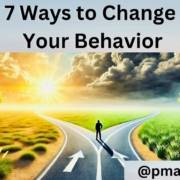
7 Ways to Change Your Behavior

Stoicism, Positive Mental Attitude (PMA), and Psychology for Better Mental Health

Behavior is the thread that weaves our thoughts, emotions, and actions into the intricate tapestry of the mind. From the moment we draw our first breath, myriad internal and external influences mold our conduct. Yet, there arrives a pivotal moment in every life when the patterns that once served us begin to falter. Then, conscious change becomes imperative, heralding a transformative journey toward emotional growth and well-being. Recognizing these moments is essential for psychological health and personal development.

In this blog, we will explore seven pivotal signs that signal the need for behavioral change and delve into strategies for improvement. We will also examine how the ancient wisdom of Stoicism, the principles of a Positive Mental Attitude (PMA), and modern psychological insights can converge to foster a healthier, more resilient mindset. Join us as we navigate the path to better behavioral mental health, uncovering the keys to unlocking your full potential.


The Essence of Behavior


“Behavior is the tangible expression of our thoughts, emotions, and values, manifesting through our actions and reactions under various circumstances. It encompasses the actions we perform and the underlying motivations and reasoning that drive them. It is how we engage with others, confront challenges, and navigate life’s rhythms.

Behavior is sculpted by a multifaceted interplay of internal forces—our beliefs, attitudes, and emotions—and external influences, such as societal norms, cultural expectations, and environmental conditions.

At its core, behavior is the outward manifestation of our inner world. It mirrors our personality, coping mechanisms, and life situation strategies. Understanding and refining our behavior unlocks pathways to enhance our mental health, fortify our relationships, and elevate our overall well-being. Through introspection, we can identify the motivations behind our actions, identify patterns that no longer serve us, and cultivate new, more constructive habits.

Mastering our behavior allows us to master our destiny, steering our lives toward greater fulfillment and success.”

Sign 1: Overwhelming Negative Emotions


The Spectrum of Emotions

Emotions are the vivid colors on the canvas of our lives. However, when dark hues like anger, resentment, and sadness dominate, they obscure our vision, clouding our judgment and impairing our ability to act with wisdom and clarity.

The Stoic Approach

Stoicism disciplines us to concentrate on what lies within our control and to release what does not. Practicing mindfulness and emotional regulation allows us to observe our emotions without being trapped. The Stoic philosopher Marcus Aurelius aptly noted, “The tranquility that comes when you stop caring what they say. Or think or do. Only what you do.” This mindset fosters inner peace and resilience, allowing us to navigate life’s challenges with equanimity.

The PMA Approach

A Positive Mental Attitude (PMA) involves a deliberate shift in focus toward the positive facets of any situation. Rather than dwelling on what is wrong, PMA encourages us to seek solutions and maintain an optimistic outlook. This shift in perspective diminishes the grip of negative emotions, enabling us to cultivate a more hopeful and constructive mental state.

Psychological Insight

Cognitive-behavioral therapy (CBT) offers profound insights into the mechanics of our thoughts and emotions. CBT empowers us to reframe our thinking by identifying and challenging negative thought patterns. This cognitive shift transforms our emotional responses and behaviors, promoting a balanced and healthier mental state.

By integrating the wisdom of Stoicism, the optimism of PMA, and the practical techniques of CBT, we can master our emotional landscape. This mastery allows us to paint our lives with brighter, more harmonious colors, leading to a richer and more fulfilling existence.

Sign 2: Persistent Relationship Conflicts


Navigating the Battlefield of Relationships


When relationships become battlegrounds of misunderstanding and conflict, it is a clear signal that our behavior may need recalibration.

The Stoic Approach

Epictetus, a sage of Stoicism, counseled the wisdom of understanding others’ perspectives before reacting. This empathetic approach is not merely an exercise in patience but a strategy to reduce conflicts and foster better communication. By practicing patience and striving to see things from the other person’s viewpoint, we can transform our relationships from contentious to harmonious.

The PMA Approach

Cultivating a Positive Mental Attitude (PMA) involves approaching relationships with a spirit of cooperation and goodwill. This mindset encourages us to express gratitude, practice active listening, and assume positive intent in others. Such an approach resolves conflicts and fortifies the bonds that tie us to those around us, creating more robust, more resilient connections.

Psychological Insight

Attachment theory offers profound insights into how our early relationships shape our behavior in later ones. We can identify and alter maladaptive patterns by understanding our attachment style and fostering healthier, more secure relationships. This psychological insight is crucial for breaking cycles of dysfunction and building a foundation of trust and mutual respect.

Incorporating the wisdom of Stoicism, the optimism of PMA, and the revelations of attachment theory, we can navigate the complexities of human relationships with more excellent skill and grace. Adjusting our behavior and perspective can transform our interactions, turning potential battlegrounds into arenas of mutual understanding and growth.

Sign 3: Chronic Dissatisfaction and Lack of Fulfillment

The Pursuit of Fulfillment

Achieving goals while feeling unfulfilled indicates a misalignment between our values and desires.

The Stoic Approach

Stoicism champions living in harmony with nature and virtue. Reflecting on what truly matters—wisdom, courage, justice, and temperance—can steer us towards behaviors that yield genuine satisfaction. Seneca aptly remarked, “True happiness is… to enjoy the present, without anxious dependence upon the future.” We align our actions with our core values by grounding ourselves in these timeless principles and finding a more profound sense of contentment.

The PMA Approach

A Positive Mental Attitude (PMA) urges us to enjoy the journey, not the destination. Setting meaningful goals and celebrating incremental achievements can foster a more profound sense of fulfillment and purpose. This mindset shift transforms our pursuit of success into a source of ongoing joy and satisfaction rather than a relentless chase after fleeting milestones.

Psychological Insight

Self-determination theory elucidates the importance of autonomy, competence, and relatedness for psychological well-being. Engaging in activities that fulfill these intrinsic needs enhances our fulfillment. We can cultivate a more prosperous, satisfying life by pursuing goals that allow us to exercise our autonomy, develop our competence, and connect with others.

We can realign our actions with our deeper values by integrating Stoicism principles, PMA optimism, and self-determination theory insights. This alignment transforms pursuing goals into a path of enduring fulfillment, ensuring that our achievements resonate with our innermost desires.

Sign 4: Frequent Procrastination

The Shadow of Procrastination

Procrastination is often caused by underlying fears and a lack of motivation, hindering progress and effectiveness.

The Stoic Approach

The Stoics revered action and discipline. Seneca wisely noted, “It is not because things are difficult that we do not dare; it is because we do not dare that they are difficult.” By embracing Stoic principles, we can overcome procrastination, fostering a proactive and committed mindset. This philosophy encourages us to face our tasks head-on, transforming inertia into purposeful action.

The PMA Approach

A Positive Mental Attitude (PMA) advocates breaking tasks into manageable steps and maintaining an optimistic, can-do spirit. This method alleviates the overwhelm that fuels procrastination, enabling us to build momentum through consistent, small efforts. By celebrating incremental progress, we cultivate a sense of achievement that propels us forward.

Psychological Insight

Behavioral psychology offers practical strategies to combat procrastination through reinforcement and accountability. Setting achievable goals, creating reward systems, and enlisting others’ support can keep us on track. These techniques help us navigate psychological barriers to productivity, turning procrastination into purposeful engagement.

We can dismantle procrastination’s obstacles by integrating Stoicism’s wisdom, PMA’s optimism, and behavioral psychology strategies. Adopting these approaches transforms hesitation into action, unlocking our progress and productivity.

Sign 5: Constant Self-Doubt

Conquering the Tyranny of Self-Doubt

Our decision-making ability becomes limited when we are plagued with relentless self-doubt, signaling the need for a profound behavioral change.

The Stoic Approach

Stoicism advocates self-awareness and self-improvement. By recognizing that self-doubt often stems from irrational thoughts, we can cultivate self-confidence through deliberate reflection and disciplined practice. As Epictetus wisely stated, “No man is free who is not master of himself.” Embracing Stoic principles empowers us to master our inner dialogue, replacing doubt with determined self-assurance.

The PMA Approach

A Positive Mental Attitude (PMA) encourages us to focus on our strengths and adopt a growth mindset. We build a resilient sense of self-worth by viewing challenges as opportunities for learning and growth. This perspective transforms obstacles into stepping stones, reinforcing our capability and potential.

Psychological Insight

Positive psychology offers techniques such as self-compassion and affirmations to counteract self-doubt. Practicing kindness towards ourselves and consistently affirming our abilities reinforces a positive self-image. These practices help nurture a supportive inner voice, which is essential for maintaining confidence and taking decisive action.

By integrating the Stoic pursuit of self-mastery, the optimistic focus of PMA, and the nurturing techniques of positive psychology, we can dismantle the barriers of self-doubt. This holistic approach enables us to reclaim our confidence, empowering us to act decisively and fulfill our potential.

Sign 6: Declining Physical Health

Physical well-being and Behavior

Behavioral factors have a profound effect on our physical well-being. Often, unhealthy habits indicate that a change is needed to improve health and vitality.

The Stoic Approach

The Stoics revered the body as the vessel supporting the mind. They advocated respecting the body, practicing moderation, and exercising discipline in lifestyle choices. This alignment with Stoic values honors our physical form and promotes overall health, ensuring that our bodies can adequately support our mental and philosophical pursuits.

The PMA Approach

A Positive Mental Attitude (PMA) views healthy habits as essential acts of self-care. We cultivate lasting positive behaviors by finding enjoyment in activities that promote physical health—such as exercise and balanced nutrition. This approach transforms healthful practices from burdensome obligations into joyful rituals, fostering a sustainable and fulfilling lifestyle.

Psychological Insight

Health psychology emphasizes the profound connection between the mind and body. Recognizing how stress and emotions influence physical health can motivate us to adopt healthier behaviors. Techniques like mindfulness and stress management are vital in this regard. By managing our mental state, we can significantly enhance our physical well-being, creating a harmonious balance between body and mind.

By integrating the disciplined respect of the Stoics, the joyful self-care of PMA, and the holistic understanding of health psychology, we can transform our approach to physical well-being. This comprehensive strategy fosters a robust, healthy body that supports and enhances our mental and emotional vitality.

Sign 7: Sense of Purpose Evaporating

Rediscovering Purpose

A lack of purpose can sap motivation and direction, leaving us adrift and uninspired.

The Stoic Approach

Stoicism teaches us that our purpose is to live virtuously and contribute to the greater good. Reflecting on how our actions align with our values and impact others, we can rediscover a profound sense of purpose. As Marcus Aurelius advised, “Waste no more time arguing what a good man should be. Be one.” This focus on virtue and service provides a compass, guiding us back to meaningful engagement with life.

The PMA Approach

A Positive Mental Attitude (PMA) involves setting inspiring goals and pursuing our passions. We can reignite our sense of purpose and drive by aligning our daily actions with our deeper values and interests. This approach transforms mundane tasks into steps toward a more significant, inspiring vision, rekindling our enthusiasm and commitment.

Psychological Insight

Viktor Frankl’s logotherapy emphasizes the significance of finding meaning in life’s experiences. We can enhance our sense of purpose by engaging in meaningful activities and helping others. Frankl’s insight that “those who have a ‘why’ to live can bear with almost any ‘how’” underscores the transformative power of purpose in sustaining motivation and resilience.

We can overcome purposelessness by blending the Stoic pursuit of virtue, the PMA’s focus on inspiring goals, and logotherapy’s existential insights. This integrated approach helps us reclaim our motivation, directing our energies toward a life of meaning and fulfillment.

The Superior Blend: Stoicism, PMA, and Psychology

A Triad of Transformation

Unlike the transient fixes often peddled by self-help books and articles, we integrate Stoicism, Positive Mental Attitude (PMA), and Psychology to offer a comprehensive, time-tested approach to behavioral change and mental well-being. This triumvirate provides a robust framework: Stoicism grants inner resilience and moral clarity, PMA fosters optimism and proactive behavior, and Psychology delivers insights and techniques for understanding and transforming our actions.

Stoic Example: James Stockdale

James Stockdale, a US Navy officer and committed Stoic, endured seven harrowing years as a prisoner of war in Vietnam by rigorously applying Stoic principles. His resilience and leadership in extreme adversity testify to Stoicism’s transformative power. Stockdale’s unwavering adherence to Stoic tenets sustained him and inspired his fellow prisoners, highlighting the profound impact of this ancient philosophy.

PMA Example: Helen Keller

Helen Keller, despite being blind and deaf, achieved extraordinary success and inspired millions worldwide through her unyielding Positive Mental Attitude. Her life vividly illustrates how PMA can triumph over even the most formidable challenges. Keller’s relentless optimism and determination transformed her obstacles into stepping stones, proving that a positive mindset can redefine human potential.

Psychological Insight: CBT’s Power

Cognitive Behavioral Therapy (CBT) offers practical tools for behavioral change, such as reframing negative thoughts and practicing self-compassion. These evidence-based methods complement the philosophical and behavioral approaches of Stoicism and PMA. By identifying and challenging destructive thought patterns, CBT empowers individuals to cultivate healthier behaviors and emotional responses, enhancing the foundations laid by Stoicism and PMA.

The Path to Personal Growth

Recognizing the signs that it’s time to change your behavior is the first step toward personal growth and better mental health. Embracing Stoicism principles, cultivating a Positive Mental Attitude, and applying insights from Psychology equip you to navigate life’s challenges with resilience, optimism, and wisdom. This integrated approach enhances your mental well-being and leads to a more meaningful and fulfilling life.

The journey of self-improvement is continuous, but with these powerful tools as your guide, you can transform your behavior and life. This Stoicism, PMA, and Psychology triad provides a sturdy foundation for enduring change, allowing you to unlock your full potential and achieve a profound sense of purpose and satisfaction.

Cheers
Jay Pacheco

#pmascience #BehaviorChange #MentalHealth #Stoicism #PositiveMentalAttitude #PMA #SelfImprovement #PersonalGrowth #MentalWellbeing #Psychology #HealthyMindset #LifeChoices #EmotionalIntelligence #PositiveThinking #Resilience #InnerStrength #Mindfulness #WellnessJourney #MentalHealthAwareness #LiveYourBestLife #HolisticHealth


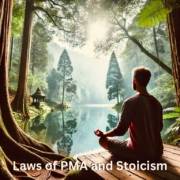
Laws of PMA and Stoicism

The 30 Daily Laws of PMA Science Stoic:

A Pathway to Mental Resilience and Flourishing

In an age where mental health is becoming increasingly significant, finding practical strategies to maintain and enhance our well-being is crucial. The blend of Positive Mental Attitude (PMA), Stoic philosophy, and psychology (science) offers a robust mental resilience and flourishing framework. In short, this article explores the 30 Daily Laws of PMA Science Stoic, providing vivid examples and easy-to-understand explanations of how these principles can significantly improve our lives.

Note: In my book PMA Science Stoic Laws, we go over all 30 of the Daily Laws of the PMA Science Stoic. As of this summer, the book will be available on Amazon, Apple Books, and pmascience.com for purchase.

Understanding PMA and Stoicism

Positive Mental Attitude (PMA), the philosophy of transforming a negative attitude into an optimistic mindset, emphasizes optimism, resilience, and proactive thinking, among other qualities. It’s about focusing on positive thoughts and behaviors to navigate challenges and create opportunities for mental growth.!

Note: PMA mindset is only effective if “you” want to change. Otherwise, it won’t work.

Stoicism, the wisdom philosophy, emphasizes self-control and the fortitude to overcome destructive emotions. This philosophy works as a dam to a river, as emotions are often like an uncontrolled river. Thus, stoicism can regulate the amount of water (emotions) to flow more easily. Furthermore, it emphasizes the importance of accepting outcomes we cannot change and taking responsibility for our actions.

Using Stoicism and PMA to achieve positive outcomes is an excellent example of how psychology, the science of the mind and behavior, contributes to a better understanding of emotions, neurons, and neuroplasticity, among other branches of psychology.

IMG_0460.jpeg

The 30 Daily Laws of PMA Science Stoic

“Borrow from the future, bring it to the present, and make it work.” – Jim Rhon

Note: Although most people know the following laws, few adhere to them. Following the laws requires discipline, and discipline is not an easy task. For this reason, most of us fail to enjoy a fulfilling life.

1. Embrace the Present Moment

As “Echart Tolle says in “The Power of Now.”

Living in the present is a cornerstone of PMA, Stoicism, and psychology. By focusing on the here and now, we can avoid unnecessary anxiety about the future and regrets about the past.

Example: Meditate for 6 minutes each morning, focusing on your breath to ground yourself in the present moment.

2. Practice Gratitude

Gratitude shifts our focus from what we lack to what we have. Make the habit the moment you wake up, to begin with appreciation!

Example: Keep a gratitude journal, writing down three daily things you’re thankful for.

3. Accept What You Cannot Change

Stoicism is about distinguishing between what we can and cannot control regarding emotions, thoughts, actions, behaviors, and the laws of nature.

Example: When facing a difficult situation, list what emotions and aspects are within control and focus your efforts there.

4. Cultivate Inner Peace

Another stoic teaching is that inner peace comes from within, not external circumstances.

Example: Engage in activities that calm your mind, such as yoga or walking in nature.

5. Live According to Your Values

Identify and align your actions with your core values and virtues, which were the teachings of the Stoics.

Example: If honesty is a value, ensure you are truthful in your interactions, even when difficult. -Most importantly, be honest with yourself.

6. Maintain a Positive Outlook

A PMA encourages looking for the silver lining in every situation. This means turning adverse outcomes into positive attitudes, even in challenging conditions. It’s not easy, though achievable, and we have several past and present examples, such as Leonardo da Vinci and Elon Musk, to name a few examples.

Example: When faced with a setback, ask yourself, “What can I learn from this?”

7. Seek Wisdom

Continuous learning and personal growth are vital. Personal development is significant; as a plant needs water and soil, so do our minds.

Example: Read philosophical texts or listen to podcasts that expand your understanding of the world.

8. Develop Emotional Resilience

Resilience is the ability to bounce back from adversity. How many times did you fail to learn to ride your bicycle? – exactly!

Example: Practice, practice, practice – mindfulness techniques to manage stress and build emotional strength, for example.

9. Foster Healthy Relationships

Healthy relationships are foundational to well-being. Begin by being friend to yourself and your body.

Example: Spend quality time with yourself or loved ones and practice active listening.

10. Engage in Physical Activity

Physical health supports mental health. Make a habit of walking and exercising regularly -this could be the starting point to better physical health.

Example: Incorporate regular exercise into your routine, such as jogging, joining a fitness class, or just walking outside your house.

11. Nurture a Growth Mindset

Believe in your ability to grow and improve. A plant tends to grow, so why shouldn’t you, too?

Example: Approach challenges as opportunities to learn rather than threats to your competence.

12. Prioritize Self-Care

Self-care is not selfish; it’s essential.

Example: Dedicate weekly time for activities that rejuvenate you, like reading a book or taking a long bath, – or dress up just for you!

13. Manage Your Thoughts

Your thoughts shape your reality. This part isn’t easy; discipline is a must, and stoicism and PMA among positive psychology are some power tools to use.

Example: Challenge negative thoughts and replace them with positive affirmations.

14. Practice Mindfulness

Mindfulness enhances awareness and reduces stress. Begin with Now and gratitude!

Example: Spend a few minutes each day observing your thoughts and sensations without judgment – mainly write them down if possible.

15. Show Compassion

A sense of connection is fostered when one has compassion for others. Besides yourself, all creation should be treated with compassion, including everything in the universe.

Example: Perform random acts of kindness, such as helping yourself to be kind to your body and your thoughts or complimenting a colleague or the cashier at the grocery store.

16. Set Meaningful Goals

Goals give direction and purpose. As Napoleon Hill stated, the mind without a goal tends to wander like a lost sheep without a shepherd.

Example: Break down your long-term goals into manageable steps and celebrate small victories. AsTao said, a journey of 1000 steps begins with a single step.

17. Reflect Daily

Daily reflection helps you stay aligned with your values and goals. Reflecting can also mean being grateful for being alive.

Example: Spend a few minutes each evening reviewing your day and planning for the next.

18. Embrace Change

Change is inevitable, and resistance leads to suffering. Make a habit of changing your mind to a smile even if you had a tough day at work, etc.

Example: When facing a change, focus on the potential benefits rather than the losses.

19. Practice Forgiveness

The more grudges you hold onto, the more damage you do to yourself. Instead, invest your energy in something positive, like your own smile.

Example: Write a letter of forgiveness (even if you don’t send it) to release negative feelings, then burn it.

20. Limit Comparisons

Comparing yourself to others breeds discontent. If you truly want to compare, compare yourself to who you were yesterday and improve yourself today.

Example: Focus on your journey and celebrate your progress rather than comparing it to others.

21. Seek Balance

Balance in life prevents burnout and promotes well-being. Proper balance is impossible because it belongs to nature, but you can manage your time for positive outcomes since you are part of nature.

Example: Ensure you allocate time for work, relationships, hobbies, and rest.

22. Develop Self-Discipline

Self-discipline helps achieve long-term goals. Motivation makes you move, but self-discipline keeps you going. Management of the mind is the beginning of happiness.

Example: Create and stick to a schedule that prioritizes your most important tasks.

23. Accept Imperfection

Perfectionism is a trap. Human perfection doesn’t exist, so embrace flows to personal growth.

Example: Acknowledge that mistakes are a part of learning, mental health, and growth.

24. Practice Patience

Patience reduces stress and improves decision-making. Nothing grows faster than negative thoughts and weeds, but theykill positive plans and emotions, so be patient as a bamboo plant.

Example: When feeling impatient, take deep breaths and remind yourself that good things take time. Just as after a rainstorm comes a rainbow.

25. Cultivate Humility

Humility opens you to learning and growth. Begin to be humble with your heart and ask for wisdom and understanding from god or nature.

Example: Acknowledge your limitations and seek feedback from others.

26. Foster Creativity

Creativity boosts mental health and problem-solving skills. To be creative, one must read and observe nature and others doing great, positive things.

Example: Engage in creative activities like painting, reading, writing, or playing music.

27. Manage Stress Effectively

Stress management is crucial for mental health. Some ways to manage stress include exercise, walking, reading, and participating in activities that bring you mental joy.

Example: Techniques like deep breathing, exercise, reading, painting, and talking to positive people can reduce stress.

28. Be Adaptable

Adaptability helps you thrive in changing environments. Be like a chameleon on the Galapagos island, and you’ll see that your mental world will improve.

Example: Embrace new opportunities, and be willing to adjust your plans, thoughts, feelings, actions, and attitude.

29. Practice Ethical Living

The act of living ethically enhances a person’s self-respect as well as social harmony. With a positive mental attitude (PMA) and a Stoic mindset, you are on your way to living an ethical lifestyle -only if you practice such tools daily.

Example: Make choices that reflect your ethical beliefs, such as supporting fair trade products, respecting your goal, and living under nature’s laws.

30. Live with Purpose

A sense of purpose gives life meaning. The starting point to a successful and productive life begins in the definiteness of purpose -you’re calling here on earth. Discover it.

Example: Identify what matters most to you and dedicate your energy and efforts.


-Life Examples

Marcus Aurelius, the Stoic philosopher and Roman Emperor, exemplified many of these laws for us. His writings in “Meditations” reflect deep personal reflections and adherence to Stoic principles, even amidst the pressures of ruling an empire. He focused on what he could control, accepted what he could not, and maintained a positive outlook despite adversity.


Viktor Frankl, the psychiatrist, and Holocaust survivor, demonstrated PMA through his concept of “tragic optimism.” Despite enduring unimaginable suffering, he found meaning in his experiences and helped others through his work, showing the power of a positive mental attitude.

PMA and Stoicism vs. Other Approaches

Many modern self-help books and articles focus on quick fixes and superficial changes. In contrast, this blog and coming book, “PMA Science Stoic Laws,” combining PMA and Stoicism, offers profound, enduring principles that foster genuine transformation. Rather than promoting avoidance of discomfort, they teach acceptance and resilience. This depth and practicality make them superior to many contemporary approaches.

Conclusion


The 30 Daily Laws of PMA Science Stoic blog provides a comprehensive guide to cultivating mental resilience and flourishing. Integrating Positive Mental Attitude, Stoicism, and psychology into our daily lives allows us to navigate challenges gracefully and maintain a balanced, fulfilling life. Embrace these principles, and you’ll find a path to better mental health and living grounded in timeless wisdom and practical science.

Cheers
Jay Pacheco

#MentalHealth #PMA #Stoicism #PositiveMentalAttitude #Resilience #Mindfulness #PersonalGrowth #SelfImprovement #WellBeing #InnerPeace #Gratitude #EmotionalIntelligence #MentalWellness #SelfCare #PositiveThinking #DailyLaws #Philosophy #MentalResilience #GrowthMindset #StressManagement #HealthyLiving #Balance #MindfulLiving #LifePurpose #EthicalLiving #Inspirational #Motivation #WellnessJourney #MentalStrength #SelfDiscipline

A Stoic Approach to Racism

Stoicism and a Positive Mental Attitude (PMA) to Combat Racism

A deeply ingrained societal issue, racism appears in a variety of settings, including the workplace, school, and neighborhood among other areas and places. In this blog, we explore effective strategies rooted in Stoicism and Positive Mental Attitude (PMA) for addressing and mitigating racism with a touch of modern psychology. For individuals facing discrimination based on their color, ethnicity, economic background, mental health, among others the following philosophical (Stoicism and PMA) approaches provide a resilient framework that integrates psychological and mental health principles.

Note: There is only one race. The human race. Furthermore, the human species has different skin pigments. So, anyone saying you belong to another race is either ignorant or racism is prevalent in their subconscious mind. 

Research I’ve been conducting for about 5 years as well as the memories I have from when I was a youngster of about 11 years have shown that mental racism and the rule techniques are a form of racism when researched under Psychology, Stoicism and a Positive Mental Attitude (PMA). 

Example: 

  • Rule technique
    The rule technique can be also a form of racism, and it is often camouflaged when people use it by not talking to you or ignoring you as a person, which shows that you are of lower value based on your education, your place of birth, your skin color, your economic status, your height, whether you are a man or woman, a child or adolescent, you speak broken language in the “new” country you now live in. Many developed countries, such as the USA, Norway, Germany, Ukraine (not developed, but a country with little diversity, so the culture shows little value for other nationalities), China, Japan, and others, use this rule technique. Nonetheless, it is found in almost all societies and countries.

Racism is defined:

Dictionary Definition

Racism is defined as prejudice, discrimination, or antagonism directed against someone of a different race. This is based on the belief that one’s own race is superior. It includes both individual attitudes and systemic practices that perpetuate racial inequality.


Psychology

Psychology understands racism as a deeply ingrained societal issue that involves cognitive biases and learned behaviors. It manifests itself in both explicit forms (conscious beliefs and actions) and implicit forms (unconscious biases). Psychological research shows that racism stems from fear, ignorance, and social dominance. It also explores racism’s impact on mental health and social interactions.


Mental Health

From a mental health perspective, racism is recognized as a significant stressor that can lead to a variety of negative outcomes, including anxiety, depression, and trauma. Racism victims often experience chronic stress, which affects their overall well-being and quality of life. Addressing racism is crucial for promoting mental health equity and providing appropriate support to affected individuals.


Stoicism

According to Stoicism, which emphasizes rationality and virtue, racism is unethical and irrational. Stoics believed all human beings were and are equal, advocating compassion and justice for oneself and others. In their view, racism violates the Stoic principle of living in harmony with nature, which recognizes the humanity of all people.


Positive Mental Attitude (PMA)

Positive Mental Attitude (PMA) focuses on maintaining a constructive and optimistic outlook. From a PMA perspective, racism is a negative force that hinders personal and collective growth. Overcoming racism requires empathy, understanding, and commitment to positive change. By fostering inclusivity and respect, individuals can contribute to a more equitable and harmonious society.

Understanding Racism in Different Environments

In the Workplace: Racism and rule techniques can emerge in various forms such as biases in hiring practices, unequal pay, and limited advancement opportunities for minority groups. In addition to undermining professional relationships, such practices also have a negative effect on workplace harmony and productivity.

Note: Tactics such as rule techniques are commonly used in workplaces to make others feel unworthy, and are a form of indirect or direct racism. This technique is also used in relationships as the silent treatment among other places and environments as well.

In Schools: Young individuals may encounter racism in the form of bullying, exclusion, or discriminatory treatment by peers or educators, which can significantly impact their academic performance and self-esteem.

Note: It is often the parents’ way of viewing another person’s background that leads to kids becoming prejudiced, but not always.

In Neighborhoods and Public Spaces: Racial profiling, stereotyping, and harassment are common forms of racism that can create divisive and hostile living environments. This includes who has a better house, a modern car, a better or higher paying job etc., to name a few examples.

Applying Stoicism to Combat Racism

Stoicism, the wisdom philosophy, teaches the art of indifference to things outside one’s control and emphasizes virtue as the sole good. Here’s how Stoicism can be applied:

1. Focus on What Can Be Controlled: Stoicism encourages us to differentiate between our reactions and external events. For instance, if faced with a racist remark at work, a Stoic approach would focus on maintaining personal integrity and responding calmly. This is rather than controlling the offender’s behavior.

Example: Marcus, a nursing assistant, faces subtle racist jokes as well as rules techniques from both colleagues and some so-called leaders. Using Stoicism, he chooses not to react impulsively but instead addresses the issue directly with the colleague and later with HR. He focuses on changing what he can—his environment and response.

2. Viewing Adversity as an Opportunity: Stoicism teaches that adversity is a chance to practice virtue. Facing racism, one can practice patience, understanding, and resilience, turning a negative experience into a growth opportunity.

Note: Virtue

Dictionary Definition

Virtue is defined as a quality considered morally good or desirable in a person, such as honesty, integrity, and kindness.

Stoicism

In Stoicism, virtue is the highest good and is equated with moral excellence. It encompasses wisdom, courage, justice, and temperance, guiding individuals to live in harmony with nature and reason. Virtue, for Stoics, is sufficient for a fulfilling life.

Example: Lisa, a college student, uses racist incidents on campus as a motivation to organize diversity workshops, seeing it as an opportunity to educate and foster understanding among students.

Leveraging a Positive Mental Attitude (PMA) to Overcome Racism

Positive Mental Attitude (PMA) suggests that a positive and optimistic mindset can alter outcomes. It’s about looking for constructive solutions and maintaining hope even in adversity.

1. Positive Reinforcement: Instead of dwelling on negative incidents, PMA encourages individuals to celebrate cultural diversity and personal achievements that affirm self-worth and contribute to mental well-being.

Example: After experiencing racial discrimination, Jamal starts a blog to share stories of successful minority professionals, creating a positive narrative around his and others’ racial identity.

2. Building Resilience: PMA instills a resilient mindset that helps individuals bounce back from racist encounters stronger. It promotes viewing challenges as temporary and surmountable.

Example: Sophia, a nurse, uses positive affirmations to regain her confidence after facing derogatory comments from patients and relatives of patients. She reminds herself of her competence and value to her community, reinforcing her mental resilience.

Psychological Strategies for Better Mental Health

Incorporating psychological techniques such as cognitive-behavioural therapy (CBT) can help individuals reframe negative thoughts caused by racial discrimination and develop healthier coping mechanisms.

1. Cognitive Reframing: This involves identifying and changing discriminatory thought patterns. If someone thinks, “I am not welcome here because of my race,” reframing focuses on concrete facts and positive interactions that counteract this narrative.

2. Seeking Support: Professional counseling or support groups for racial trauma can provide safe spaces to discuss experiences and feelings, promoting healing and empowerment.

Conclusion

While Stoicism and PMA might not solve racism alone, they provide powerful tools for individuals to maintain their dignity, foster resilience, and promote a positive mental outlook in the face of discrimination. Unlike traditional reactive approaches, these philosophies encourage proactive personal growth and empowerment. This sets the foundation for not just surviving, but thriving amidst adversity. By adopting these strategies, one can foster an environment of inclusivity and respect, paving the way for broader societal change.


Cheers
Jay Pacheco

Stoic Divorce Solutions

Stoic Divorce Solutions

This artistic representation combines elements of stoicism, psychology, and a positive mental attitude to illustrate emotional resilience during a challenging divorce. Three diverse individuals are featured in the image, each embodying a different aspect of resilience related to their philosophical or psychological orientation.

Navigating Divorce:

Stoicism, Psychological Insights, and Positive Mental Attitude

“Hardships often prepare ordinary people for an extraordinary destiny.” – Epictetus

Divorce is an emotional rollercoaster, a labyrinth of legal proceedings, and a crucible of personal transformation. It can be one of the most stressful life events, with significant psychological and emotional fallout. However, you can find reassurance and hope in our practical steps and mental frameworks. These are designed to provide you with the support and guidance you need by adopting ancient Stoic wisdom, modern psychological insights, and a positive mental attitude (PMA). They will help you maintain your well-being throughout divorce.

Moreover, during a divorce, one or both partners often focus on tearing each other down rather than on their personal growth. However, a path to personal growth and healing can be found by shifting the focus inward and prioritizing self-reflection. This journey of self-discovery can lead to a deeper understanding of emotions, motivations, and behavior patterns. It’s a step towards a brighter future and a more fulfilling relationship.

Note: It is often overlooked that certain psychological disorders and challenges, such as autism, PTSD, depression, anxiety, bipolar disorder, and revenge behaviors, are more prevalent in females than males, which is critical to consider in psychological therapies.

1. Embrace Stoicism: Control and Acceptance

Zeno of Citium founded Stoicism’s wisdom philosophy in the 3rd millennium BC. Stoicism teaches individuals to focus on what they can control and accept what they cannot. When applied during divorce, Stoic principles can help one recognize that while one may not have control over one’s ex-partner’s actions or decisions, one has complete control over one’s thoughts, emotions, and reactions. Stoicism can provide a valuable framework for navigating divorce challenges with grace and inner strength. This is done by practicing detachment, resilience, and maintaining a long-term perspective.

Furthermore, Stoicism teaches the value of focusing on what we can control and accepting what we cannot. Many elements are outside your control during a divorce. These elements include your spouse’s actions or the court’s decisions, kids, who your spouse talks to, etc.

Here are some examples of how to apply Stoic principles:

Practical Application:

Distinguish Between Controllables and Uncontrollables: Actively remind yourself to invest your energy only in areas where you have control, like your behavior and choices.

Some areas where you might have control during a divorce include your communication style with your ex-partner, your decision-making regarding your well-being and future, and how you prioritize your time and energy. By focusing on these controllable aspects, you can maintain a positive mental attitude and navigate divorce challenges with resilience and grace.

Reflect Daily: Spend a few minutes reflecting on your experiences. Identify moments when you successfully focused on what you could control and acknowledge areas where you need to improve.

Focusing on controllable aspects of divorce can promote a sense of empowerment and agency. As a result, self-confidence can increase, stress can be reduced, and overall well-being can improve. As an added benefit, focusing on what one can control allows for better decision-making and a more positive post-divorce experience by prioritizing one’s own needs and goals.

Example:

Imagine you’re in a boat heading towards a storm. You can’t control the storm, but you can determine how you prepare and steer. Similarly, you can’t control the storm of legal battles or your ex-partner’s words in a divorce, but you can manage your responses and actions.

2. Psychological Insights: Understanding and Healing

Psychology offers insights into understanding our emotions and developing coping mechanisms during stressful times. Cognitive behavioral therapy (CBT) and mindfulness are particularly beneficial during stress during divorce.

Cognitive Behavioral Therapy (CBT) helps you identify and challenge thought patterns. Doing so teaches you to manage negative emotions and develop coping strategies. On the other hand, mindfulness is a practice that helps you focus on the present moment and be aware of your thoughts and feelings without judgment. Combining these approaches allows you to process your emotions more effectively and develop skills to manage them healthily.

Practical Application:

CBT Techniques: Identify negative thought patterns that may cause emotional distress and challenge their validity. Replace them with more balanced thoughts.

In identifying and challenging negative thought patterns, individuals are encouraged to pay attention to their automatic thoughts and beliefs, which contribute to emotional distress. By examining the evidence for and against these thoughts, they can challenge their validity and replace them with more balanced and realistic perspectives. This cognitive restructuring allows for a shift in thinking patterns and reduced emotional distress.

Mindfulness and Meditation: Regular practice can help you stay centered and calm, reducing stress and enhancing emotional resilience.

Scientific studies have robustly demonstrated the positive impact of mindfulness and meditation practices on mental well-being. These practices have been shown to effectively reduce symptoms of anxiety and depression, enhance attention and focus, and even boost immune function. Moreover, brain imaging studies have provided concrete evidence that regular mindfulness and meditation can bring about structural changes in the brain, promoting emotional regulation and overall psychological well-being.

Example:

Imagine your thoughts as clouds floating in the sky. Some are heavy and dark, while others are light and scattered. When you practice mindfulness, you can observe these clouds without being affected by the storm. This helps reduce the emotional impact of stressful thoughts.

Note: We tend to be very cloudy during stormy times, but it is during these stormy times that we need to practice mindfulness and gratitude most.

3. Positive Mental Attitude (PMA): The Power of Optimism

“Your mental attitude is something you can control outright, and you must use self-discipline until you create a Positive Mental Attitude habit.” – Napoleon Hill

A positive mental attitude isn’t about ignoring negative aspects of life but approaching challenges with a mindset emphasizing constructive and hopeful outcomes. Having a positive mental attitude has numerous benefits. It can lead to increased resilience to adversity, improved problem-solving skills, and better overall mental and emotional well-being. A positive mindset can also attract positive experiences and opportunities, creating a more optimistic and open attitude.

Maintaining a positive mental attitude during a divorce can be challenging but crucial for emotional well-being. Some coping strategies include seeking support from friends or a therapist, practicing self-care activities like exercise or journaling, focusing on personal growth and self-reflection, and reframing negative thoughts into more positive and empowering ones. By adopting these approaches, individuals can navigate the complex divorce process with resilience and hope for a brighter future.

Furthermore, research has shown that maintaining a positive mental attitude can improve overall well-being. Optimistic individuals tend to experience lower stress levels, better physical health, and increased resilience to adversity. Cultivating a positive mindset can enhance emotional and psychological well-being, ultimately leading to a more fulfilling life.

Practical Application:

Gratitude Journaling: Write down three things you are grateful for daily. This habit shifts your focus from what you have lost to what you still possess.

For example, I am grateful for my health, family, and job.

Visualize Positive Outcomes: Spend time visualizing a positive future post-divorce. This visualization can be a powerful motivator and alleviate despair.

For example, you could close your eyes and imagine yourself living in a beautiful new home, surrounded by family and friends, and feeling a sense of freedom and happiness.

Example:

Imagine you are repainting a room that has grown dull. Each brush stroke transforms your space. Similarly, each positive thought or action is like a stroke of paint, gradually changing the old, painful divorce narrative into a bright, new chapter in your life.

Blog Reflection: The Transformative Journey of Divorce

A journey of a thousand miles starts with the first step – Lao Tzu

Divorce offers an exceptional opportunity for personal growth and emotional maturation despite its challenges. You can navigate this tumultuous phase with resilience and grace by integrating a stoic philosophy, psychological strategies, and a positive mental attitude (PMA). Each tool helps manage the immediate stress of divorce and cultivates a mindset that will enrich your life long after the legal proceedings end.

Remember, divorce is profoundly personal and varies widely from individual to individual. It’s crucial to seek support from friends, family, or professionals. Applying these insights and strategies will help you survive your divorce and thrive in its aftermath.

Navigating a divorce is always challenging. However, with the right mental tools, such as Stoicism, Positive Mental Attitude, and CBT, you can emerge more robust, more aware, and ultimately at peace with the upcoming chapter.

Note: Discussing and writing about divorce can be difficult for many individuals. However, by learning to manage our emotions, navigating challenges with Stoicism, a positive mental attitude (PMA), and cognitive-behavioral therapy (CBT), among other tools, we can better cope with any challenge that comes our way, be it divorce, job loss, a difficult colleague, hate from people or our kids, not getting a loan from a bank or negative feedback among others. Stoicism and PMA are tools for mental and emotional well-being without harming others or the environment.


Additional Resources:

Exploring materials that cover stoicism, psychology, and positive mental attitudes is beneficial when seeking resources to support emotional resilience during challenging times like a divorce. Here are some recommended books, articles, websites, and blogs that provide valuable insights and practical advice:

Books

  1. Marcus Aurelius’s Meditations is a classic text on stoicism that offers profound insights into enduring pain and adversity with resilience.
  2. Rebuilding: When Your Relationship Ends” by Bruce Fisher and Robert Alberti – a practical, nineteen-step process for putting one’s life back together after divorce.
  3. Learned Optimism: How to Change Your Mind and Your Life” by Martin E.P. Seligman – This book explains positive psychology principles and how to apply them to foster a positive mental attitude.

Articles

  1. “How to Stay Stoic During Your Divorce” on The Good Men Project – Offers a perspective on applying stoic principles to handle divorce’s emotional turmoil.
  2. “Coping with Divorce: 20 Sites That Can Help” on DivorceMag includes a list of blogs and resources for divorcees.

Blogs

  1. Psychology Today’s Divorce Section features articles by various therapists and psychologists offering advice on managing divorce’s psychological impact.
  2. Stoic Therapy Blog – Provides resources and articles on how stoicism can be applied to modern life challenges, including divorce.
  3. Positivity Blog by Henrik Edberg – This blog offers practical steps to live a happier life through a positive mental attitude, which can be especially helpful during personal crises like divorce.

Websites

  1. APA Divorce Resources (American Psychological Association) offers resources and articles on coping mechanisms and psychological strategies for divorce.
  2. The Daily Stoic – Offers daily insights and practical advice on applying stoicism to daily life challenges.
  3. Tiny Buddha – Provides wisdom and insights into how a positive mental attitude can transform challenges into opportunities for personal growth.

The above resources give you various perspectives and tools to manage divorce’s emotional and psychological challenges.

Written by Jay Pacheco

Mental Health: PMA & Stoicism

Understanding Mental Health: A Holistic Approach

Mental Health Across Various Contexts

Psychology, Positive Mental Attitude, and Stoicism


Mental health is a fundamental component of human development as it affects our psychological, physical, and emotional well-being. It covers various aspects of life, including personal growth, emotional regulation, human and natural cycles, genetics, health care, psychological and medical illnesses, and mindfulness practices. Through this blog, we will delve into these aspects, discuss the different types of mental health disorders, and compare traditional and modern approaches to mental health management, such as Positive Mental Attitude (PMA) and Stoicism.

Mental health is crucial for physical health and overall well-being. It affects our thinking, decision-making, and stress management. Mental health also affects our relationships with others and our lives.

Definitions and Examples of Mental Health Across Various Contexts


  1. Medicine

  • Definition: In medicine, mental health refers to the absence of diagnosable mental disorders. It involves effective daily functioning and healthy relationships.


  • Example: Medical treatment for bipolar disorder might include medications such as mood stabilizers and psychotherapy to manage symptoms and maintain mental stability.

  1. Psychology

  • Definition: Psychology views mental health as an individual’s ability to manage stress, relate to others, and make decisions. It emphasizes well-being, where people can achieve their potential and face life’s challenges.

  • Example: Psychological approaches to improving mental health might involve therapies like Cognitive Behavioral Therapy (CBT) to address thinking patterns that undermine mental health.

  1. Mental Health Illness

  • Definition: Mental health illness, or mental illness, refers to a wide range of mental health conditions — disorders that affect mood, thinking, and behavior.

  • Example: Depression is a mental illness that can cause significant impairment in daily life, characterized by persistent sadness and a lack of interest or pleasure in previously rewarding or enjoyable activities.

  1. Healthcare

  • Definition: In healthcare, mental health is approached as part of holistic health, integrating the treatment of mental disorders with prevention strategies and lifestyle changes to improve overall health.

  • Example: Integrative care models may include both medication management and access to community support services to address both the biological and social aspects of mental illness.

  1. Positive Mental Attitude (PMA)

  • Definition: PMA is the philosophy of maintaining a consistently optimistic and hopeful outlook, positively influencing mental health and resilience.
  • Example: An individual using PMA might focus on finding solutions rather than dwelling on problems when facing personal setbacks like job loss or any other kind of loss.
  1. Stoicism

  • Definition: Stoicism or stoa (meaning porch in Greek) is an ancient philosophical approach that teaches self-control, rationality, and indifference to external circumstances, which helps maintain mental tranquility. The highest form of stoicism is virtue.

  • Example: A stoic approach to receiving criticism at work or anywhere would be viewing it dispassionately as an opportunity for improvement rather than a personal attack.

  1. Mindfulness

  • Definition: Mindfulness involves being fully present and engaged at the moment, aware of one’s thoughts and feelings without distraction or judgment.

  • Example: Mindfulness may involve meditative practices in which one focuses on one’s breath to stay grounded during high stress or anxiety.

  1. Mindset

  • Definition: A mindset refers to an established set of attitudes someone holds. The distinction between a “fixed” mindset and a “growth” mindset is significant in psychological health. PMA, Stoicism, modern positive psychology, and CBT use this tool – mindset.

  • Example: Someone with a growth mindset might view challenges as opportunities to grow, feeling less threatened and more open to challenging experiences.

The above definitions and examples briefly overview how mental health is conceptualized and addressed in different fields. They also demonstrate the importance of perspective in managing and understanding mental health.

Mental Health in Personal Development

Mental health is foundational to personal development. It affects how we think, feel, and behave in daily life. It also influences how we handle stress, relate to others, and make choices. Positive mental health allows individuals to realize their full potential, cope with life pressures, work productively, and make meaningful community contributions.

Therefore, it is essential to prioritize mental health to foster personal growth and fulfillment.

Types of Mental Health Disorders

Mental health disorders can broadly be categorized into two types: behavioral and psychological. Behavioral disorders involve disruptive behaviors in children and adults, such as attention-deficit/hyperactivity disorder (ADHD), autism, and conduct disorder, among others. Psychological disorders include mood disorders (e.g., depression, bipolar disorder), anxiety disorders, personality disorders, and psychotic disorders like schizophrenia.

Note: Psychological disorders are also related to genetic factors and environmental factors, as well as a combination of both.

Main Types of Mental Health Disorders

Mental health disorders can broadly be categorized into several types:

  1. Mood Disorders: These include depression and bipolar disorder, where individuals experience persistent sadness or extreme mood swings.

  2. Anxiety Disorders: This category includes generalized anxiety disorders, panic disorders, and phobias, characterized by an overwhelming sense of worry or fear.

  3. Psychotic Disorders: Schizophrenia is a prime example, where individuals experience distorted thinking and awareness.

  4. Eating Disorders: Conditions like anorexia nervosa and bulimia involve obsessive concerns about weight and food.

  5. Impulse Control and Addiction Disorders: This includes alcohol and drug addiction and compulsive behaviors like gambling.

  6. Personality Disorders: These are characterized by rigid and unhealthy patterns of thinking, functioning, and behaving, such as borderline personality disorder.

  7. Obsessive-Compulsive Disorder (OCD): This involves constant stressful thoughts and compulsive behaviors.

Symptoms vs. Positive Mental Attitudes and Stoicism

Symptoms of mental health disorders vary widely but often include sadness or depression, irrational fears, mood swings, social withdrawal, and changes in sleeping and eating habits. These symptoms starkly contrast with the tenets of Positive Mental Attitude (PMA) and Stoicism, which emphasize self-control, resilience, and a positive outlook on life.

However, incorporating elements of PMA and Stoicism into mental health treatment can provide individuals with coping strategies and tools to manage their symptoms. By cultivating self-control, resilience, and a positive outlook, individuals can develop a stronger sense of emotional well-being and better navigate mental health challenges. This approach can complement traditional treatments and empower individuals to participate actively in their healing process.

Positive Mental Attitude (PMA)

PMA …. is the symbol of a Positive Mental Attitude.

A positive mental attitude is right for any given set of circumstances. It mostly consists of positive characteristics symbolized by faith, integrity, hope, optimism, courage, initiative, generosity, tolerance, tact, kindness, and common sense.*

*From Success Through A Positive Mental Attitude, by Napoleon Hill and W. Clement Stone, published by Prentice-Hall, Inc., 1960.

Furthermore, PMA is a psychological concept that centers on maintaining a hopeful outlook in every situation. Research shows that a positive mental attitude can lead to better stress management, improved health, and higher achievement. For instance, a study published in the American Journal of Epidemiology suggests that those with a positive outlook tend to have a lower risk of dying from cardiovascular diseases and other causes compared to their more pessimistic counterparts.

Additionally, research indicates that PMA can help individuals cope with difficult situations, such as job loss, divorce, or the death of a loved one. This enables them to focus on the positive aspects of their lives.

Stoicism in Mental Health

Stoicism (from the Greek word “stoa,” which means porch) is an ancient Greek and Roman philosophy that teaches self-control and fortitude to overcome destructive emotions. It is not just a philosophical discourse but is also used in modern psychotherapy, particularly Cognitive Behavioral Therapy (CBT). Based on their intensive approach to Stoicism, Aaron T. Beck‘s Cognitive Therapy (CT) and Albert EllisRational Emotive Behavior Therapy (REBT) are derived from Stoicism. Stoicism helps individuals distinguish between what they can control and cannot, significantly reducing emotional distress.

For instance, the Stoics believe that we should focus on what we can control, such as our behavior, rather than what we cannot, such as other people’s opinions.

Comparison of Academic and Medical Approaches

While traditional academic and medical approaches to mental health emphasize the use of medication and psychotherapy to diagnose and treat mental illness, PMA and Stoicism provide a preventative perspective. As a result of these philosophies, individuals are encouraged to foster resilience, which can protect against the development of mental illnesses. According to research, cognitive behavioral therapy (CBT), which incorporates Stoic principles, is effective in treating a wide range of psychological disorders by changing dysfunctional emotions, behaviors, and thoughts.

Resilience-building practices recommended by PMA (Positive Mental Attitude) and Stoicism include daily journaling to reflect on challenges and emotions, practicing gratitude to foster a positive mindset, engaging in physical exercise to promote overall well-being, and cultivating mindfulness through meditation and self-reflection. These practices aim to strengthen individuals’ ability to cope with adversity and maintain mental well-being.

Note: It is recommended to consult a clinical professional if you experience deep depression or other mental illness. 

Why PMA and Stoicism Are Effective

Scientific studies and research have shown that both PMA and Stoicism can be beneficial. They empower individuals to manage their mental states proactively. By adopting a positive outlook and practicing Stoic principles, individuals can manage stress and adversity, often precursors to psychological issues.

In addition to managing stress and adversity, adopting a positive outlook and practicing the Stoic principles can also improve psychological well-being. Research has shown that individuals who engage in positive thinking and embrace the Stoic principles experience lower levels of anxiety and depression. They also experience increased resilience and life satisfaction. These practices can help individuals cultivate inner peace and contentment, even when facing challenges.

Conclusion: Mental Health as a Holistic Process

Mental health is a complex and multifaceted subject that impacts everyone. It is worthwhile to note that every individual, every mind, and every person has a different way of thinking and mental health. By understanding the various aspects of mental health, recognizing the signs of mental illness, and exploring both traditional and alternative approaches to mental health care, individuals can better manage their well-being. PMA and Stoicism provide valuable tools for developing psychological resilience and promoting overall health.

Do not hesitate to give it a try!

Further Reading and Resources

For those interested in exploring these topics further, resources such as “Feeling Good: The New Mood Therapy” by David D. Burns, which discusses cognitive approaches to mental health, and “The Daily Stoic” by Ryan Holiday, which offers modern insights into Stoic principles, are excellent starting points. Additionally, reputable websites like the National Institute of Mental Health (NIMH) provide comprehensive information and research on various mental health disorders and treatments.

Combining insights from psychology, psychiatry, and philosophical practices like PMA and Stoicism can cultivate a more comprehensive approach to mental health. This approach not only treats but also prevents mental health disorders, enhancing our overall quality of life.

By leveraging the power of psychology, psychiatry, and philosophical practices, we can manage and prevent mental health issues, allowing us to lead healthier, happier lives.

Cheers,
Jay Pacheco

A Giving and Receiving Journey

Life’s Purpose: A Giving and Receiving Journey

“What do you want from life, and what have you to give in return that entitles you to it?” – Napoleon Hill

In life’s journey, we are on a quest to seek something, consciously or subconsciously. This pursuit is profoundly personal and individualized, depending on one’s dreams, aspirations, and circumstances. Moreover, several religious leaders, philosophers, academics, and scientists have come up with different views and ideas, and there is no one-size-fits-all answer. Napoleon Hill, a prominent figure in personal development, provocatively asked, “What do you want from life, and what are you willing to give in return that entitles you to it?” This question is not merely rhetorical; it is an invitation to introspection, to examine our desires and the contributions we make in return. Positive Mental Attitude (PMA) is a fundamental part of the Positive Mental Attitude program at PMA Science University, which promotes optimism, resilience, and giving.

It has been observed that Napoleon Hill’s book “Think and Grow Rich” has assisted many individuals in discovering their purpose in life by mastering their minds. PMA Science University currently offers a free eBook copy of “Think and Grow Rich” for download. Think and Grow Rich

The Canvas of Desires

Humans are born with desires without a defined purpose and fully functioning software. – Jay Pacheco

Imagine life as a vast and boundless canvas, where you are an artist with the freedom to paint your deepest desires. What colors would you choose? What scenes would you depict? Some may strive for professional success, painting broad strokes of ambition and achievement. Others might create intimate portraits of love, family, and companionship. Some sketch serene landscapes of peace and contentment, free from worldly desires, and the possibilities are endless.

Desires alone cannot bring you fulfillment in life. It would be best to put in effort, give to others, and be disciplined to achieve your goals. This idea is inspired by Napoleon Hill’s inquiry, which is based on the parable of Jesus of Nazareth. The parable emphasizes the importance of giving and receiving and stresses the significance of harmony and discipline in achieving success.

The Contribution Currency

Life, in its intricate design, operates on exchange. To receive, one must be willing to give. But what is this currency of contribution that entitles us to our desires?

Dedicated Work and Perseverance: Success and professional accomplishments demand dedication. The path may be fraught with challenges, but the relentless pursuit and countless hours of toil and sweat carve the road to achievement.


Love and Compassion: In the quest for meaningful relationships, love, kindness, and empathy are the currency. When sown, these seeds blossom into flowers of companionship and love.


Inner Peace and Contentment: One must learn to let go of anxiety and stress to attain inner peace. Mindfulness, gratitude, and detachment are offerings that are the beginnings at the altar of tranquility.

21 Contribution Examples:

The Act of Giving and Receiving

  1. A Balanced Life: I desire a balanced life that harmonizes work, leisure, and relationships. In return, I offer disciplined time management, ensuring I contribute productively to society while cherishing and nurturing the relationships that matter to me.


  1. Sustainability and Environmental Health: Aspire to live in a more sustainable and environmentally healthy world. In exchange, I commit to adopting eco-friendly practices, reducing waste, and actively participating in community efforts to protect and restore our planet.


  1. Artistic Mastery: I seek mastery in a chosen art form, aiming to create works that inspire and move others. In return, I dedicate countless hours to honing my craft, sharing my knowledge with aspiring artists, and contributing to society’s cultural wealth.


  1. Global Exploration: I yearn to travel the world and experience its vast cultures and landscapes. In exchange, I promise to share these experiences through storytelling, photography, or art, fostering global understanding and appreciation.


  1. Innovation and Progress: Aim to contribute to technological or scientific advancements that can solve pressing problems. In return, I offer my creativity, critical thinking, and dedication to research and development that benefits humanity.


  1. Community and Social Equity: I desire a more equitable society with solid community support systems. In return, I volunteer, advocate for social justice, and contribute to initiatives that uplift marginalized groups.


  1. Personal Serenity: I seek inner peace and serenity, free from anxiety and stress. In return, I practice and promote mindfulness, meditation, self-care, and sharing techniques to help others find peace.


  1. Intellectual Fulfillment: I crave a life filled with intellectual challenges and the joy of discovery. In return, I engage in lifelong learning, sharing insights and sparking intellectual curiosity in others through teaching or writing.


  1. Creative Freedom: I wish for the freedom to express creativity without constraints. In return, I support freedom of expression initiatives and mentor young creatives, helping to foster a vibrant, open artistic community.


  1. Legacy of Kindness: I aim to be remembered for my kindness and positive impact on others’ lives. In return, I practice compassion daily, help where I can, and inspire others to do the same, creating a ripple effect of goodwill.


  1. Spiritual Enlightenment: I seek spiritual enlightenment and a deeper understanding of the universe. In return, I dedicate myself to spiritual practices, share my journey with others, and contribute to a community of seekers.


  1. Desire for Meaningful Connections: What I seek from life is the ability to forge deep, meaningful connections with others, to share experiences, and to support and be supported in times of need. In return, I offer my unwavering loyalty, empathy, and commitment to be there for others, listening and contributing positively to their lives.


  1. Pursuit of Knowledge: I yearn for a life filled with continuous learning and exploring the unknown. In exchange, I am willing to dedicate my efforts to disseminate the knowledge I acquire, to educate, inspire, and ignite curiosity in others, fostering a community of lifelong learners.


  1. Quest for Personal Growth: I aspire to realize my most significant potential, grow and evolve continuously, overcome challenges, and embrace change. In return, I commit to using my experiences and insights to mentor, guide, and empower others on their personal development journeys.


  1. Aspiration for Creative Expression: I seek the freedom to express myself creatively, to explore and manifest my ideas and emotions through art, writing, or any form of creative endeavor. In exchange, I offer my unique perspective, contributing to the rich tapestry of human expression and inspiring others to find their creative voices.


  1. Longing for Peace and Serenity: What I desire from life is peace of mind, a sense of tranquility and harmony within and with the world around me. In return, I pledge to promote peace, practice kindness and understanding, and be a source of calm and stability in the turbulent waters of life.


  1. Hunger for Adventure and Discovery: I crave the thrill of adventure and the joy of discovering new places, cultures, and experiences. In return, I am willing to share these stories and lessons learned to encourage others to step out of their comfort zones and embrace the beauty and diversity of our world.


  1. Desire for Health and Vitality: I seek a physical and mental well-being life where health is a priority. In return, I commit to leading by example, advocating for healthy lifestyles, and supporting initiatives to improve public health and well-being.


  1. Wish for Financial Stability: My objective is to achieve financial security, not for extravagance, but for the peace of mind that comes from knowing that I and my loved ones are cared for. In return, I promise to use my resources responsibly to support causes and help those in need, ensuring that my prosperity contributes positively to society.


  1. Dream of Recognition: I aspire to be recognized for my talents and efforts and to make a mark in my field. In return, I pledge to remain humble, to remember those who helped me along the way, and to pay it forward by supporting and uplifting emerging talents.


  1. Hope for Love and Belonging: More than anything, I desire to love and be loved, to belong to a community where I am valued and understood. In return, I offer my heart, loyalty, and commitment to nurture and cherish the relationships that give life its most profound meaning.

A Dance of Desires and Contributions


The relationship between what we seek from life and what we offer in return is a delicate dance guided by the rhythm of our values and principles. In this dance, positive Mental Attitude (PMA) plays a pivotal role, illuminating our path, enabling us to see opportunities in challenges, find joy in giving, and remain steadfast in our pursuit of our desires.

Let’s consider the story of Elena, a young environmental scientist passionate about conserving marine life. She desired to make a significant impact on ocean conservation. She faced numerous setbacks in her journey, from lack of funding to skepticism from the community. However, her Positive Mental Attitude was her compass, guiding her through the stormy seas. She volunteered her expertise to local conservation projects, conducted free workshops for children, and collaborated with other scientists on innovative solutions. Her contributions, fuelled by her passion and PMA, eventually led her to spearhead a ground-breaking marine conservation initiative. Elena’s story exemplifies the essence of Hill’s inquiry: her desires were precise, and her contributions, significant and heartfelt, entitled her to her achievements.

Consider the following example of a young entrepreneur working night and day to achieve their goals. There is no doubt in their mind that they have a clear vision and unwavering determination. As innovators, dedicated workers, and resilient individuals, they would significantly contribute to society through jobs, among others. Life offers success, recognition, and fulfillment in return.

Or, reflect on the life of a caregiver who pours love, time, and energy into nurturing a family. Their contribution of love and care is rewarded with deep bonds, shared joys, and irreplaceable warmth of family ties.

Lastly, imagine a monk surrendering to worldly desires and dedicating his life to meditation and service in the quietness of a monastery. The monk’s offering of peace and detachment is met with inner tranquility.

The Path Forward and Your Contribution

As we navigate life, let us ponder Napoleon Hill’s profound question, using it as a catalyst for introspection and action. What flowers would you like to see in your desired garden? What colors do you hold on to your contribution palette? Embrace a Positive Mental Attitude, for the light reveals the beauty of your desires and offerings.

In this exchange, let us remember that entitlement is not a claim staked by ego. It is a privilege earned through rich contributions. With open hearts, willing hands, and minds illuminated by PMA, let us craft a life that is fulfilling for ourselves but also enriching for the world around us.

Furthermore, embarking on your contribution map starts with understanding what you truly desire in life. Once you’ve defined your desires, map out your willingness to give, ensuring your actions align with your aspirations. Remember, contribution currency is diverse; it can be expressed through creativity, knowledge, time, love, adversity, or even the ultimate sacrifice.

Maintaining a Positive Mental Attitude (PMA) is crucial in this give-and-take of life. One should confront adversities with unwavering optimism, perceive failures as valuable stepping stones, and face life’s uncertainties with steadfast courage and resilience.

Conclusion

Life can be compared to a symphony, where a balance between giving and receiving is essential. The things you wish to achieve in life determine your melody, while your contributions enrich the composition. It is necessary to approach this journey with an open heart, a generous spirit, and a positive mindset. Doing so will fulfill your desires and realize your potential to contribute, give, and enhance the fabric of existence.

“Believing may come easily to some while being difficult for others. For me, this journey has been quite challenging. However, the benefits I have gained and continue to gain, such as wisdom, knowledge, love, kindness, humility, and understanding, among other things, are more valuable than not experiencing this journey.” Furthermore, some of my contributions and returns to life exchanges are writing books, blogs, poetry, acrylic painting, PMA Science University, and posts encouraging others to follow their paths through my examples.

Furthermore, as you ponder Napoleon Hill’s profound question, let it not linger as a mere thought. Let it be a call to action, a guiding beacon as you navigate life’s tides. What you seek from life is within reach, as long as you put in the time, effort, discipline and provide your willingness to contribute. Your exchange in this grand bazaar of existence may your offerings be prosperous, your transactions fruitful, and your journey toward your desires be a voyage of growth, discovery, and unparalleled satisfaction.

Cheers,
Jay Pacheco

Powerful WHY, Easy HOW

If the WHY is powerful, the HOW is easy” by Jim Rohn.

Here are a few insights into one of my favorite quotes from Jim Rhon that I want to share with you today.

Understanding our ‘why‘ can profoundly transform personal and professional growth. Legendary and motivational speaker Jim Rohn elegantly encapsulated this concept in the phrase, “If the WHY is powerful, the HOW is easy.” This idea is not just a fleeting thought but a foundational principle that can guide us through our life visions’ most daunting challenges and intricate mazes.

As far as the above quote is concerned, I would say it is not easy. Nevertheless, I must admit that knowing our “why” is not an easy task but rather a very difficult one. Otherwise, everyone would be happy and prosperous today.

The Beacon of Purpose

Imagine yourself standing at the edge of an expansive forest, surrounded by a verdant ocean of trees extending far from the forest’s edge. There is a metaphor behind this path before you that expresses not only what you’re about to embark on in pursuit of your goals but also the journey you’re about to embark on on the way there. This is where your ‘why’ becomes the guiding light that illuminates the path ahead and infuses every step with purpose and clarity to help you follow it through to the end.

It’s like having a compass on a map: with it, you may realize that your journey has an end destination, much less know how to get there. But with it, you can always stay on track and find your way.

If we take the example of an athlete training for the Olympics, it is clear how arduous the journey would be. The regimen is grueling, the sacrifices are immense, and the odds are often daunting for those participating. Although this is true, it is the athlete’s unwavering focus on the ‘why’ that transforms the seemingly impossible ‘how’ into a series of manageable steps — the dream of standing on the podium, the pursuit of personal excellence, the desire to inspire — the ‘why’ that gives the athlete the strength to overcome the seemingly insurmountable ‘how.’ Every weight lifted, every lap run, and every moment of rest contribute meaningfully to the longer journey.

Vision and Clarity

The power of ‘why’ also lies in its ability to clarify. Understanding the ‘why’ behind an endeavor can illuminate the most effective path forward in the complex business world, where decisions can have far-reaching consequences. When Apple Inc. created the iPhone, their ‘why’ wasn’t just about making a phone but about reinventing how people communicate, interact, and live. This profound ‘why’ made the ‘how’—navigating technological challenges, design hurdles, and market dynamics—not just manageable but a thrilling adventure that led to the creation of a revolutionary product.

The Strength to Persevere Moreover, a powerful ‘why’ becomes a reservoir of strength in times of adversity. Consider the tireless efforts of social activists who champion causes against seemingly insurmountable odds. Their ‘why’ is rooted in a deep desire for justice, equality, and change. This conviction turns obstacles into stepping stones and defeats into lessons, making the ‘how’ of their activism a journey of resilience and unwavering commitment.

Let’s look at another example of an aspiring writer named Joanne Rowling’s story. Rowling’s passion for storytelling was as vast as the ocean. Her mind was an endless trove of characters and worlds waiting to be discovered. Yet, she was adrift in a sea of uncertainty, her dreams of publishing a novel lost amidst rejection and doubt. It wasn’t until she reconnected with her ‘why’—her deep-seated desire to inspire change through her stories—that the ‘how’ began to unfold with clarity. She realized her journey wasn’t just about getting published and touching hearts and igniting minds. With this powerful ‘why,’ the once daunting task of navigating the publishing world transformed into manageable steps. Her unwavering purpose guided these steps for the series now known as Harry Potter!

This triumph story is not unique to Joanne. History is replete with individuals whose powerful ‘whys’ paved the way for remarkable achievements. Consider Mahatma Gandhi’s relentless resolve, whose ‘why’ was independence for India through nonviolent resistance. As a result of Gandhi’s compelling vision, innovative strategies were formulated, and millions of people were mobilized. This led to the liberation of the Indian nation.

The Path Unfolds

You cannot change your destination overnight, but you can change your direction overnight. – Jim Rhon

Furthermore, Jim Rhon tells us that understanding the ‘why’ unfolds the ‘how’ before us. This is a series of steps and a journey of discovery, growth, and fulfillment. It reminds us that when our goals are clear and compelling, the mechanisms, strategies, and pathways to accomplish them are aligned with our aspirations.

In other words, knowing why we are doing something helps us figure out what steps to take to achieve it. Knowing our purpose also helps us stay motivated and focused on our goals.

Here is what modern science has to say:

Both the science and the stories that surround this phenomenon are fascinating. Psychologists and neuroscientists have discovered that an intense, emotionally charged ‘why’ activates the brain’s motivational and goal-directed pathways. This neurological response translates into increased resilience, creativity, and adaptability in the face of challenges, making the ‘how’ seem less insurmountable.

Those seeking to tap into the power of their ‘why’ can benefit from starting with a reflective approach. It is possible to unearth one’s core motivations for action through the use of reflective practices such as journaling, meditation, or even deep conversations with trusted confidants through the use of reflective practices. Further guidance can be found in books such as “Start with Why” by Simon Sinek, which offers frameworks for clarifying and articulating one’s purpose.

Moreover, the digital age offers many resources for those embarking on this journey. Inspirational blogs like Zen Habits or The Art of Non-Conformity are treasure troves of stories and insights that echo Rohn’s wisdom. They serve as reminders that when the ‘why’ is clear, the ‘how’ becomes a landscape of possibilities rather than a daunting obstacle course.

Jim Rohn’s quote above encourages introspection and purpose-driven action. Let us anchor ourselves in the ‘why’ of our aspirations as we navigate the complexity of our goals, for it is only through understanding our purpose that we will know the way forward. Whether you lead a movement, engage in storytelling, or embark on a personal transformation, a strong ‘why’ makes the ‘how’ much easier. This process transforms the journey into an odyssey of meaning and fulfillment.

Cheers
Jay Pacheco


Growth Through Adversity

Image via Freepik

Using Adversity to Catalyze Personal Growth


Life is an ever-evolving journey fraught with challenges and adversity that can appear overwhelming at first glance. However, within these very trials, the seeds of personal growth are sown. In the following article, PMA Science University explores the potential of adversity, revealing how it can mold and refine us into more robust, more resilient individuals. Let’s delve into the profound impact confronting life’s hardships can have on personal development.

Persevere Through Challenges

Adversity is the crucible that forges the steel of resilience. It tempers our spirit, making us better equipped to face future trials. When confronting challenging situations head-on, we learn to adapt, rebound, and thrive in adversity. Resilience becomes our armor, protecting us against life’s uncertainties.

Get More Positive

A positive mindset is critical to achieving success and fulfillment in both personal and professional areas. It requires the practice of gratitude, fostering a supportive internal dialogue, and engaging in mindfulness to maintain optimism and resilience. Individuals can cultivate a happier, more productive life by defining personal success and focusing on growth. This approach enhances well-being and contributes to achieving long-term goals and overcoming challenges.

Tune into Yourself

Adversity often compels us to turn inward and confront our limitations. Self-awareness and self-reflection are the tools we employ to unearth hidden strengths and acknowledge weaknesses. This newfound self-knowledge empowers us to make informed decisions and fosters personal growth by shedding light on areas for improvement.

Solve More Problems

Challenges are, by nature, problems waiting to be solved. Adversity pushes us to think critically and search for solutions. This problem-solving process sharpens our analytical abilities and equips us with valuable skills beyond the immediate issue. It prepares us to tackle future challenges with confidence and innovation.

Invite Empathy

Adversity has a unique way of nurturing empathy within us. When we have experienced hardship, we become more attuned to the struggles of others. This heightened empathy leads to stronger connections with those around us. Our relationships deepen as we appreciate the shared human experience of facing adversity, ultimately contributing to our personal growth.

Cope Better

Confronting adversity forces us to develop effective coping mechanisms to manage stress and anxiety. Through trial and error, we refine these mechanisms, allowing us to navigate future difficulties with grace and resilience. As we adapt, we find that we emerge from challenges not just unscathed but more substantial and better equipped to face whatever comes our way.

Be More Thankful

Adversity often acts as a wake-up call, prompting us to reassess our lives and rediscover the value in what we might have taken for granted. It fosters a deep sense of gratitude for the blessings we possess. This newfound appreciation permeates our outlook on life, encouraging positivity and enriching our growth journey.

Assess Your Specific Needs

For neurodivergent individuals, assessing specific needs when achieving goals involves recognizing unique challenges and leveraging strengths. It’s essential to understand how neurodiversity influences learning styles, social interactions, and environmental sensitivities, tailoring strategies that align with personal capacities and aspirations. Embracing neurodiversity enhances self-awareness and promotes a holistic personal development and goal-setting approach. For those interested in a deeper exploration of this topic, “PMA Science of Psychology: Understanding Neurodiversity” by Jay Pacheco offers valuable insights and is available for preview at Reedsy Discovery.

Adversity and challenges are not stumbling blocks but stepping stones to personal growth. They are opportunities to embrace resilience, pursue education, cultivate self-awareness, and more. These transformative experiences empower us to become the best versions of ourselves. The next time adversity crosses your path, embrace it as a catalyst for your growth journey — for it can shape you into a stronger, more resilient, and more fulfilled individual.

Discover the transformative power of combining Stoicism, Positive Mental Attitude (PMA), and Psychology at PMA Science University. Elevate your mind, body, and soul by applying today and start living your life in harmony.


Written by Jonathan Garner


In a recap of what Jonathan wrote above, I would add the following:

Life is a dynamic journey, often marked by personal development challenges and adversity. Despite these challenges, they offer significant growth. PMA Science University, a trusted source of personal development, delves into this transformative process. It highlights how adversity can foster resilience and self-awareness.

Resilience Building: Facing adversity head-on can strengthen our resilience, arming us with the fortitude to overcome future obstacles. It’s fundamental to personal growth, teaching us valuable lessons about perseverance and endurance.

Cultivating a Positive Mindset: Maintaining a positive outlook is crucial for personal and professional success. By practicing gratitude, engaging in positive self-talk, and embracing mindfulness, practical strategies we can all implement, we can foster resilience and optimism that fuels our journey towards achieving our goals.

Enhancing Self-Awareness: Adversity often prompts a journey inward, urging us to reflect on our strengths and areas for improvement. This increased self-awareness is a cornerstone of personal development, guiding our decisions and shaping our future.

Problem-Solving Skills: Challenges are opportunities for problem-solving. We hone our analytical and creative thinking skills by tackling adversity, preparing us for future hurdles with confidence and innovation.

Developing Empathy: Experiencing hardship can deepen our empathy, connecting us more deeply to others’ struggles. Emotional intelligence enriches our relationships and is integral to our personal growth narrative.

Effective Coping Strategies: Learning to manage stress and navigate adversity is crucial. Developing robust coping mechanisms allows us to face future challenges with grace, becoming mentally more potent and adaptable.

Fostering Gratitude: Adversity often brings renewed appreciation for life’s blessings. This gratitude enhances our overall well-being and positivity, contributing significantly to our growth journey.

Acknowledging Neurodiversity: Understanding neurodiversity’s unique needs and strengths is essential for tailoringpersonal development strategies. Resources like “PMA Science of Psychology: Understanding Neurodiversity” the book I publised in march 2024 provide valuable insights into embracing and leveraging neurodiversity for growth.

Adversity is not just an obstacle but an opportunity for growth, resilience, and self-discovery. It teaches you to embrace challenges, foster empathy, and appreciate life’s blessings more deeply. At PMA Science University, we integrate the principles of Stoicism, Positive Mental Attitude (PMA), and Psychology to transform your adversity into a powerful growth catalyst.

Join us to harness the power of mind growth, understanding, and potential of your adversity and embark on a fulfilling personal development journey.

Cheers
Jay Pacheco & Jonathan Garner

Don’t hesitate to contact us if you want to contribute to the PMA Science Blog, as Jonathan Garner did. Please let us know if there is a specific topic you are interested in learning more about. This could be in psychology, stoicism, personal development, positive mental attitude (PMA), emotions revealed, or any other science.