Exclusive Interview: The Founder of PMA© Science University Shares His Vision for the Future

At PMA© Science University, we believe in the transformative power of knowledge, philosophy, and psychology to shape a better world. In an exclusive interview, our founder, Jay, shares his inspiring vision for the future of education, personal development, and global impact.

A Mission Rooted in Transformation

Jay founded PMA© Science University with a clear purpose: to equip individuals with the tools of Positive Mental Attitude (PMA), Stoicism, and Psychology to lead fulfilling lives and create meaningful change. “Education should not just inform—it should transform,” Jay explains. “Our goal is to empower individuals to master their minds, find purpose, and inspire others.”

Bridging Science and Philosophy

One of the key aspects of PMA© Science University is its unique approach to education, which blends scientific research with timeless philosophical principles. Jay envisions a future where students develop not just intellectual knowledge but also emotional resilience and practical wisdom. “We want our students to think critically, act with integrity, and apply what they learn in real-world scenarios,” he says.

Expanding Global Reach

With an increasing demand for holistic education, Jay shares his ambition to expand the university’s reach worldwide. “We are working on global partnerships, online learning programs, and new initiatives to bring our philosophy to as many people as possible.” The university’s digital learning platform is designed to make high-quality education accessible to anyone, anywhere.

Upcoming Projects and Innovations

Jay also teases some exciting projects on the horizon, including:
🚀 New Diploma & Master’s Programs – Focused on personal development, leadership, and applied psychology.
📚 Upcoming Book Releases – Further insights into PMA, Stoicism, and mental mastery.
🌍 Community Engagement – Initiatives to encourage students to apply their learning in meaningful social impact projects.

A Call to Action

When asked what advice he has for students and lifelong learners, Jay says: “Never stop growing. The path to mastery is continuous. Embrace challenges, keep learning, and always strive to uplift others.”

As PMA© Science University continues to evolve, its mission remains the same: to create a world where individuals harness the power of their minds to lead with wisdom, purpose, and resilience.

📢 Stay Tuned! More updates and exclusive insights will be shared in our upcoming events and publications. Visit [Insert Link] to join our community and be part of this movement!

Global Partnership: PMA© Science University Collaborates with Leading Mental Health Organizations

PMA© Science University is proud to announce a groundbreaking collaboration with some of the world’s most respected mental health organizations. This partnership aims to advance research, education, and community outreach, furthering our mission of empowering individuals through Positive Mental Attitude (PMA), Stoicism, and Psychology.

A Shared Commitment to Mental Wellness

By joining forces with global mental health leaders, we are working to:
Develop Innovative Mental Health Programs – Creating new resources and courses to support emotional resilience and well-being.
Enhance Research in Psychology and PMA – Conducting cutting-edge studies on the impact of PMA and Stoicism on mental health.
Expand Access to Mental Health Education – Making knowledge more accessible through free resources, workshops, and expert-led seminars.

The Power of Collaboration

This partnership will allow PMA© Science University to:
📌 Provide students and professionals with exclusive access to mental health tools and strategies.
📌 Launch international initiatives to promote psychological well-being.
📌 Work alongside top psychologists, therapists, and educators to refine our curriculum.

What This Means for You

As part of our community, you will benefit from enhanced learning opportunities, expert insights, and practical applications of mental health strategies that can positively impact your life.

Stay tuned for more updates on this exciting collaboration as we work together to create a world where mental wellness and personal growth go hand in hand!

Research Spotlight: New Study on the Psychological Benefits of a Positive Mental Attitude

At PMA© Science University, groundbreaking research continues to uncover the profound impact of a Positive Mental Attitude (PMA) on psychological well-being. A recent study conducted by our leading researchers highlights how cultivating a PMA can significantly enhance mental resilience, emotional stability, and overall life satisfaction.

Key Findings from the Study

Increased Emotional Resilience – Individuals who actively practice PMA are better equipped to handle stress, adversity, and unexpected challenges.
Boosted Mental Health – A positive mindset has been linked to lower levels of anxiety and depression, leading to improved overall well-being.
Higher Achievement & Motivation – Those with a strong PMA demonstrate greater perseverance, goal-setting capabilities, and professional success.
Stronger Social Connections – Optimism fosters healthier relationships, enhanced empathy, and improved communication skills.

Real-World Applications

This study reaffirms that a Positive Mental Attitude is more than just an optimistic outlook—it’s a scientifically proven approach to leading a fulfilling and purpose-driven life. Our research provides valuable insights for educators, mental health professionals, and individuals seeking to enhance their psychological well-being.

Be Part of the Movement

Interested in applying PMA principles to your own life? Explore our courses, attend our workshops, and join our research initiatives to experience the benefits firsthand. Stay tuned for more updates on how PMA© Science University is shaping the future of mental wellness through scientific discovery!

Community Impact: How Our Students Are Using Stoicism to Drive Social Change

At PMA© Science University, our students are not just learners—they are changemakers. Through the principles of Stoicism, they are actively transforming communities, fostering resilience, and promoting social justice.

Stoicism in Action

Our students apply Stoic philosophy in real-world scenarios, tackling social issues with logic, emotional control, and ethical leadership. Whether through community outreach programs, advocacy initiatives, or leadership roles, they use Stoicism as a foundation for meaningful action.

Empowering the Next Generation

From mental health awareness campaigns to mentorship programs, students are helping individuals cultivate resilience, self-discipline, and emotional intelligence. By integrating Stoic principles into daily life, they are guiding others toward a mindset of personal strength and societal contribution.

Real Stories, Real Change

  • Mental Health Advocacy: Students have launched initiatives to promote emotional well-being in underserved communities by teaching Stoic techniques for managing anxiety and stress.
  • Youth Mentorship: Through outreach programs, they mentor young individuals, helping them develop resilience and purpose through Stoic teachings.
  • Social Justice & Ethics: By embracing Stoic principles of fairness, virtue, and rational thinking, students are influencing policies and ethical leadership in their fields.

Join the Movement

The impact of Stoicism extends beyond the classroom. At PMA© Science University, we encourage all students to apply their knowledge to create positive change in their communities. Through workshops, community engagement, and academic discussions, they continue to shape a future where wisdom and virtue guide societal progress.

Are you ready to be part of this movement? Join us in using Stoicism to transform the world, one action at a time.

Transforming Frustration into Fascination

A Stoic, PMA, and Psychology Journey

In my understanding, I picture “Life” as a masterpiece painted with strokes of joy and splashes of sorrow. It is painted with chaos, pain, grief, sadness, happiness, and growth, among many others. Amid its chaos and beauty, we often stumble upon moments of deep frustration—missed opportunities, lack of purpose, lack of discipline, strained relationships, dreams deferred. But what if frustration wasn’t the end of the road but a bridge to something greater? What if it could be the catalyst that transforms our struggles into strengths and turns frustration into fascination?

Frustration often compels us to confront our limitations and examine the barriers that hold us back, particularly if we pay attention and remain open to understanding this mental growth. This process prompts introspection and self-discovery. As we delve deeper into the roots of our frustration, we uncover hidden passions and untapped growth potential. These passions propel us to evolve and improve.

It is like uncovering a diamond in the rough – the frustration is the outer layer that must be removed to reveal the shining gem beneath.

Drawing from my personal experiences, timeless Stoicism readings, the invigorating energy of Positive Mental Attitude (PMA), and profound insights from psychology and neurology, I invite you to embark on a journey. Together, we’ll discover how everyone— from children, adolescents, adults, women, and men—can embrace life’s challenges with curiosity and resilience.

The Early Struggles and Seeds of Transformation

I, Jay Pacheco, grappled with life’s complexities from a young age. Like many others, I faced frustrations stemming from unmet expectations and a yearning for purpose. It wasn’t until I reached adulthood that I began to understand that struggles are a natural part of growth—something we often fail to recognize. About five years ago, I encountered the wisdom of the Stoic philosopher Epictetus, who famously stated, “It’s not what happens to you, but how you react to it that matters.” This insight marked a significant shift within me, becoming the foundation of my journey to transform frustration into fascination.

I have begun to understand myself and others better through further self-study and by integrating Stoicism, a positive mental attitude (PMA), psychology, and various tools such as the Facial Action Coding System (FACS). FACS is a comprehensive, anatomically based system that describes all visually discernible facial movements, breaking down facial expressions into individual components of muscle movement known as Action Units (AUs). This system is applied in many personal and professional settings. Ultimately, we are all part of the cosmos, sharing life with everything in the universe, and our minds reflect our unique universes.

During recent years, I have found that these transformations of frustration into fascination aren’t new, and more or less most of us use it without even knowing, or I would say, some do it consciously and most unconsciously; then, I realized that frustration often sprouts from a sense of lost control or fear of the unknown—fascination, on the other hand, blossoms from curiosity and willingness to learn. The bridge between these two states lies within our attitude and mindset. To truly understand this transformation, I knew I had to live it—embracing each obstacle as an opportunity for growth.

Embracing Wisdom Through Experience

I delved deeper into Stoicism and Positive Mental Attitude (PMA), exploring the intricate workings of the human mind. Neurology revealed the fascinating world of neurons, dendrites, and synapses, which are the pathways that shape our thoughts and behaviors. Understanding neuroplasticity—the brain’s ability to reorganize itself—reinforced my belief that we can reshape our responses to life’s challenges.

I began understanding that our past experiences and environment influence our thoughts and behaviors. I realized that consistently practicing Stoicism and Positive Mental Attitude (PMA) could create positive changes in my brain that would manifest in my behavior.

This understanding of neuroplasticity emphasizes our potential for personal growth and transformation. By consciously engaging in positive thinking and adopting constructive habits, we can rewire our brains to foster resilience and adaptability. Embracing this concept empowers us to shape our destinies and actively overcome obstacles with newfound strength.

However, theory alone wasn’t sufficient. Life presented challenges that tested my newfound perspectives. Each setback became a lesson, and each frustration was a stepping stone toward a more resilient self.

A Life-Altering Event: The Car Accident

In October 2024, my resilience faced one of its most significant tests yet. A car accident caused by another driver’s failure to yield left me severely injured and teetering on the edge of life. This harrowing experience shook me to my core. Amidst the pain and uncertainty, I struggled with intense headaches and physical limitations.

The incident forced me to reevaluate my priorities and appreciate the fragility of life. I began to value each moment, cherishing the small joys and connections with loved ones that I had once taken for granted. This newfound perspective taught me to focus on what truly matters and to embrace a more mindful and purposeful way of living.

Rather than succumbing to despair, I viewed this trial as a profound teacher. The accident made me realize that life can change instantly and that gratitude is far more potent than lamentation. I accepted that everything could end in a second; thus, every moment became precious.

Jim Rohn’s Four “IFs”: A Compass for Recovery

As I continue my recovery, I also have turned to Jim Rohn’s teachings, a beacon of personal development. Listening to his audiobooks, I discovered his four “IFs”—a roadmap for navigating life’s complexities. I decided to apply them to my journey:

  1. Life is worthwhile if you learn.
  • Learning transforms frustration into a classroom where every experience enriches us. Despite the intense headaches, I continued to train slowly and read, refusing to let pain halt my growth.
  1. Life is worthwhile if you try.
  • Attempting new things and persevering through failures fuels a fascination with our potential. Writing became my solace. Waking up each day and striving for happiness, even amid pain, proved worthwhile.
  1. Life is worthwhile if you stay.
  • Patience turns setbacks into stepping stones, revealing hidden paths forward. Though eager to return to my everyday work, I learned to be patient, allowing my body and mind the time needed to heal.
  1. Life is worthwhile if you care.
  • Caring deeply ignites a profound sense of wonder, connecting us more intimately with ourselves and the universe. Caring for myself enabled me to better care for others. I stayed connected with my community at work, bringing flowers and sharing moments, even when it was challenging.


Sharing Principles Across Life’s Stages

Working with children, adolescents, adults, and older adults in mental healthcare settings, including nursing homes, has provided me with invaluable experiences. I have made observations through the lenses of psychology, stoicism, a positive mental attitude (PMA), neurology, FACS, and various classification systems such as the ICD-10 and DSM-5-TR.

Throughout my work, I have noticed that individuals of all ages often feel frustrated when they struggle to understand, manage, or master a task. This frustration can lead to feelings of inadequacy, depression, and anxiety. Therefore, it’s essential to offer support and guidance to help them cope with these challenges and to nurture their resilience.

Children: Embracing Learning Wonder

Children often feel frustrated when they can’t master a new skill or aren’t immediately understood. By reframing frustration as an exciting opportunity to explore, we ignite their innate curiosity.

Curiosity encourages children to ask questions and seek answers, deepening their understanding of new concepts. It motivates them to engage more actively in their learning environment, leading to more meaningful and memorable experiences. Additionally, a curious mindset fosters resilience as children become more willing to embrace challenges and learn from mistakes.

Note: Children on the spectrum include autism, ADHD, Aspergers (taken away from diagnostic manuals, though my understanding says there are Aspergers—Elon Musk and Bill Gates, to name two), Dyslexia, and others. These children and adults need to be understood differently, and my book, PMA Science of Psychology, can be a resourceful tool for understanding neurodiversity. 

  • Example: When a child struggles with tying their shoes, encourage them by saying, “Isn’t it amazing how these laces can loop and knot? Let’s figure it out together!”
  • PMA Skill: Celebrate small victories to build confidence and maintain enthusiasm.
  • Psychology Insight: Dr. Carol Dweck’s research on the growth mindset shows that viewing challenges as opportunities fosters resilience and a lifelong love of learning.

Adolescents: Discovering Strength in Struggle

Teenagers grapple with identity and peer pressure, which can lead to frustration. Helping them see these challenges as tools for self-discovery can shift their perspective.

Teens should be encouraged to explore their identity (note, not the Gender Dysphoria identity, but the identity of their genes and core soul) rather than trying to fit into a mold. They should be encouraged to express their thoughts and feelings and to find a healthy balance between their values and the expectations of others.

Gender dysphoria is a psychological condition in which an individual feels significant distress or discomfort because their gender identity does not align with the sex they were assigned at birth. This mismatch can result in feelings of anxiety and depression, along with a strong desire to live as a gender different from the one assigned. Gender dysphoria is recognized in both medical and psychological contexts, and treatments often include therapy, hormone therapy, and, in some cases, surgical interventions, depending on the individual’s needs and goals.

Many researchers, professionals, and governments must fully understand the cosmic laws governing human existence. As a result, they often categorize unusual cases, such as gender dysphoria, inappropriately. Therefore, this topic should be cautiously approached and framed within an esoteric context encompassing cosmic knowledge and scientific understanding.

  • Example: Share the metaphor of the butterfly: “Just as a caterpillar struggles in the cocoon to become a butterfly, your challenges are helping you grow wings.”

  • Stoic Tool: Introduce Marcus Aurelius’ wisdom: “The obstacle is the way.”


  • PMA Skill: Encourage journaling to transform confusion into clarity.
  • Psychology Insight: Dr. Paul Ekman’s work suggests that understanding and labeling emotions is the first step toward managing them effectively.

Adults: Rekindling Passion and Purpose

Adults often experience frustration from unfulfilled ambitions or daily stresses. Viewing these moments as catalysts for growth can reignite your fascination with life.

Taking a step back and looking for the lesson or opportunity in the situation can help refocus and recharge. Taking it as an opportunity to learn something new or grow can create a sense of empowerment and motivation.

  • Example: If you’re stuck in your career, ask yourself, “What new paths could this frustration point me toward? What passions have I yet to explore?”
  • Stoic Practice: Employ Seneca’s exercise of envisioning the worst-case scenario to diminish fear and open up possibilities.
  • PMA Skill: Adopt affirmations like, “I am evolving every day, and new opportunities await me.”


  • Psychology Insight: In Man’s Search for Meaning, Viktor Frankl emphasizes finding purpose even amidst suffering as a source of fulfillment.

Women and Men: Harmonizing Roles and Aspirations

Balancing multiple roles can lead to frustration when expectations clash with reality. Reframing challenges as opportunities allows both women and men to find harmony.

Focusing on the present and setting realistic goals can help ease the pressures of juggling different roles and responsibilities. Taking time for self-care and setting boundaries can help to reduce stress and create a healthier work-life balance.

  • Example: A working parent might think, “This is my chance to teach my children resilience and the value of perseverance.”
  • Stoic Tool: Practice amor fati—the love of one’s fate—embracing life as it is.
  • PMA Skill: Break down overwhelming tasks into manageable steps, celebrating progress.

  • Psychology Insight: Mindfulness practices have been shown to reduce stress and enhance appreciation for the present moment.

Turning Water into Wine: Transformation Metaphors

Consider the story of Jesus turning water into wine at the wedding in Cana. Faced with the potential embarrassment of a wine shortage, he transformed an ordinary element into something extraordinary. This act symbolizes how we can turn our “water”—our frustrations—into “wine,” rich with new possibilities through faith and gratitude.

This is like a painter who turns a blank canvas into a work of art, transforming the ordinary into something extraordinary.

Being “moved” by life’s trials is like a river carving through rock; over time, even the most challenging obstacles can be shaped into something beautiful. Nature offers countless examples of transformation, reminding us that adversity can polish us into our brightest selves.

Practical Disciplines for Transformation

  1. Stoicism:
  • Begin each day with the Dichotomy of Control, focusing only on what you can change within yourself.
  • Exercise: Spend five minutes each morning reflecting on what’s within your control.
  1. Positive Mental Attitude:
  • End each day with a gratitude journal, noting three things that inspired or fascinated you.
  • Exercise: Write down moments that sparked joy or curiosity before bed.
  1. Psychology:
  • Utilize deep breathing techniques to regulate emotions and shift from frustration to curiosity.
  • Exercise: Practice the 4-7-8 breathing method to calm the mind.

Note: Consistently showing gratitude can significantly boost your transformation, too! 

  • Meditation: Practice meditation to help reduce stress and find clarity.
  • Journaling: Write in a journal about what you are grateful for and how it makes you feel.
  • Positive self-talk: Speak kindly to yourself and give yourself the encouragement and support you need.

Alchemizing Pain into Purpose

My recovery journey has not been easy, but it has been transformative. The accident I experienced became the catalyst for writing my latest book, “The Magic of Gratitude: Memoir of a True Story,” which was published in November 2024 and is available on Amazon, Kobo Books, Apple Books, and pmascience.com. Now, in December 2024, I’m excited to share this blog with you.

No matter the difficulty of your situation, there is always a path forward. Embracing gratitude and finding purpose in your struggles can lead to remarkable personal growth and healing. Remember, you are not alone, and your journey can inspire others, just as mine has.

By embracing Stoic principles, cultivating a Positive Mental Attitude (PMA), and applying psychological insights, I learned that life’s greatest frustrations can become its most outstanding teachers. As Jim Rohn reminds us, “If you care enough, you get enough.” Caring deeply for yourself, your community and the world opens the door to finding fascination where frustration once stood.

Step-by-Step Guide to Cultivating Fascination

Combining Stoicism, Positive Mental Attitude (PMA), and Psychology for Enhanced Mental Health

Step 1: Acknowledge the Storm

Frustration is an emotional response to something we can’t understand or control. Recognize it without judgment.

  • Illustration: Think of frustration as a yellow traffic light urging you to slow down and assess the situation.

  • Stoic Insight: Epictetus taught that emotions are signals to examine our thoughts.

  • PMA Practice: Affirm, “This feeling guides me to something important.”

  • Psychology Tip: Labeling emotions reduces their intensity, activating rational thinking.

Step 2: Reframe the Challenge

Ask, “What can I learn from this?” See frustration as a teacher, not a tormentor.

  • Example: If a project at work hits a snag, consider, “This is an opportunity to innovate and improve our process.”

  • Stoic Skill: Embrace the idea that “The obstacle is the way.”

  • PMA Discipline: Replace “I can’t” with “How can I?”

  • Psychology Insight: Reframing negative thoughts builds resilience.

Step 3: Cultivate Curiosity

Shift from frustration to fascination by becoming curious about the situation.

  • Illustration: View the challenge as a puzzle waiting to be solved, each piece a clue to a larger picture.

  • Example: If technology fails you, think, “What new skills can I learn to overcome this?”

  • Stoic Exercise: Practice amor fati—love your fate.

  • PMA Technique: Repeat, “Every challenge is a chance to grow.”

  • Psychology Insight: A curious mindset promotes learning and reduces stress.

Step 4: Practice Immediate Gratitude

Turn your focus to what you appreciate in the moment.

  • Example: Stuck waiting? Appreciate the time to breathe and relax.

  • Stoic Reflection: Ground yourself in the present; suffer less in imagination.

  • PMA Tool: Keep a gratitude list handy to remind yourself of life’s positives.

  • Psychology Insight: Gratitude practices improve well-being and reduce stress.

Step 5: Take Purposeful Action

Channel your energy into constructive steps.

  • Example: Feeling unfulfilled? Volunteer or start a new hobby that excites you.

  • Stoic Action: Control what you can; accept what you cannot.

  • PMA Strategy: Set achievable goals and take daily steps toward them.

  • Psychology Insight: Small actions can lead to significant mood improvements.

Step 6: Reflect and Celebrate Progress

Acknowledge your growth and successes.

  • Illustration: Like climbing a mountain, each step upward deserves recognition.

  • Example: Treat yourself to something enjoyable after handling a challenging situation.

  • Stoic Practice: Daily reflection enhances self-awareness.

  • PMA Habit: Celebrate wins, no matter how small.

  • Psychology Insight: Positive reinforcement strengthens new, healthy habits.

Embracing The Journey Ahead

Frustration may knock at our door, but fascination can become our constant companion. By following these steps, you’ll find that every storm can reveal a rainbow, every challenge, and every opportunity.

During challenging times, it’s essential to maintain a positive outlook and focus on what you can control. Ask for help; even your enemies can lend a helping hand. Ask or call other supportive people who encourage your growth and resilience. Additionally, remember to take care of your physical and mental health by exercising regularly, even with the pain you can bear, practicing mindfulness, and ensuring sufficient rest.

With all its trials, life holds endless fascination when approached with the right mindset. Even through the pain of my car accident, I found purpose and inspiration, culminating in my book and this blog. May my journey inspire you to transform your frustrations into a source of endless fascination.

Cheers,
Jay Pacheco

The Future Belongs to Children

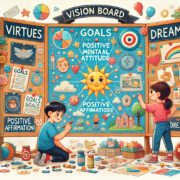
PMA, Stoicism, and Psychology Vision Board


The Future Belongs to Children:  

The future belongs to the young generation and those who will come after them. These individuals need to learn how stoicism, a positive mental attitude (PMA), and psychology can help them navigate their lives effectively. Understanding these concepts can foster mental growth not only for themselves but also for their future descendants.


Empowering Young Minds with Stoicism, PMA, and Psychology:

Imagine a garden where each child is a unique flower, ready to bloom in vibrant colors. To nurture this garden, we need more than sunshine and rain—we need to plant seeds of wisdom, resilience, and positivity to help our children grow strong, no matter the weather.


Many say, “We need to make the world safer for kids.” While safety is necessary, the more fabulous gift is teaching children how to confidently cultivate their own mental and emotional happiness and navigate life’s twists and turns from embryo moments. Children can learn about virtues like courage, kindness, temperance, wisdom, justice, and resilience from the moment they take their first steps or hear about them from their mothers’ stomachs while still developing as embryos. These aren’t just big words—they’re superpowers that help them when things don’t go as planned.

Grown-ups, you can help children embrace these virtues and set their course for the future, so I’ve crafted a fun and engaging activity:

A Vision Board infused with Stoicism, Positive Mental Attitude (PMA), and Psychology

This journey is more than cutting out pictures and gluing them onto a board. It’s about helping kids discover who they are, what they value, and how they can shape their destinies with a positive mindset. Let’s dive into this exciting adventure!

Step 1: Unveiling the Magic of Vision Boards

Method: Making Dreams Visible

Explain to the children that a vision board is like a treasure map leading to their dreams. It’s a colorful collage where they can display everything they hope to be, do, or have. By creating this “life poster,” they make their dreams visible and start believing in them.

Activity: Exploring Possibilities

Show them examples of vision boards to spark ideas. Discuss how pictures and words can represent personal aspirations. Ask them questions like:

  • “What do you love to do?”
  • “Who inspires you?”
  • “What adventures do you want to have?” 

Example: Becoming Their Hero

If a child loves superheroes, encourage them to imagine themselves as one. They could draw themselves flying or helping others, symbolizing their strengths and goals.

Step 1.1: Gathering the Creative Arsenal

Supplies Needed:

  • Poster board or large paper (their canvas)
  • Magazines, newspapers, or printed images (full of inspiration)
  • Scissors and glue (tools of creation)
  • Markers, crayons, or colored pencils (for personal flair)
  • Stickers, glitter, or any decorative items (to make it shine)

Step 1.2: Bringing the Vision to Life

Steps to Ignite Creativity:

  1. Arrange: Let them spread their chosen images and words on the board without gluing them. This is their chance to play with ideas and see how everything fits together.

  1. Organize: Guide them to group items into themes like personal growth, friendships, learning, and fun activities.
  1. Affix: Once they’re happy with the layout, it’s time to glue everything down. This makes their dreams feel more tangible.

  1. Decorate: Encourage them to add drawings, write inspiring words, or sprinkle glitter. This is their masterpiece!


Example: Crafting a Dreamscape

If a child dreams of exploring the ocean, their vision board might include pictures of sea creatures, boats, or underwater scenes. They could also draw themselves as marine biologists or adventurous divers, making their vision board a window into their future adventures.


Step 2: Planting the Seeds of Virtue (Stoicism)

Method: Discovering Inner Strengths

Introduce the core virtues from Stoicism—courage, temperance, justice, wisdom, kindness, and resilience—in a way that’s easy to understand. Explain that these virtues are like special powers they can develop to help them in everyday life.

Activity: Choosing Personal Superpowers

Ask each child to consider which virtues they admire or want to embody. Try to encourage them to find images or symbols representing these virtues to add to their vision board.


Example: Embracing Courage and Kindness

Suppose a child named Lily wants to be brave like a lion and kind like a butterfly. She might add a picture of a lion to represent courage and a butterfly to symbolize kindness. These images serve as reminders of the qualities she wants to grow.

Step 3: Setting Sail with a Positive Mental Attitude (PMA)

Method: Believing in Themselves

Explain that a Positive Mental Attitude (PMA) is about believing that good things can happen and that they have the power to make a difference. It’s like having an inner sunshine that brightens even the cloudiest days.

Activity: Defining Exciting Goals

Guide the children to think about something they’d love to achieve. It could be learning to play an instrument, making a new friend, or helping someone in need. Please encourage them to express this goal with positive words, images, or symbols on their vision board.

Example: Reaching for the Stars

If a child dreams of becoming an astronaut, they might include pictures of rockets, stars, and planets. Writing “I can reach the stars!” reinforces their belief in their ability to achieve great things.

Step 4: Imagining Success with Mindful Visualization (Psychology)

Method: Creating Mind Movies

Teach them about visualization, a technique in which they imagine themselves achieving their goals. It’s like making a movie in their minds where they are the hero, and everything goes just the way they hope.

Activity: A Journey in Their Imagination

Lead a short visualization exercise. Ask them to close their eyes and picture themselves achieving one of their goals. Please encourage them to think about how it feels, what they see, and even what they hear or smell.

Example: The Joy of Accomplishment

If a child wants to perform in a school play, they might imagine standing on stage, hearing the applause, and feeling proud and happy. Afterward, they can draw this scene or find images that depict this success to add to their vision board.

Step 5: Building Resilience Through Stoic Wisdom 

Method: Turning Setbacks into Comebacks

Explain that life is full of surprises, and sometimes things don’t go as planned. But that’s okay! What matters is how we respond. Teach them that every challenge is an opportunity to grow stronger.

Activity: Symbols of Strength

Ask them to think of a time when something was hard, but they kept going. Encourage them to add a symbol of resilience to their vision board—a phoenix rising from ashes, a sprouting seed, or a mountain climber reaching the peak.

Example: The Power of Yet

If a child struggles with a subject at school, they can add the word “Yet” to their vision board, “I can’t do this… yet.” This small word carries immense power, reminding them that with effort and time, they can overcome obstacles.

Step 6: Taking Small Steps Toward Big Dreams 

Method: The Magic of Daily Habits

Teach them that significant achievements are made up of many small actions. It’s like building a tower one block at a time. Each little habit brings them closer to their dreams. 

Activity: Action Plan Additions

Please encourage them to think of simple, daily actions that support their goals. They can write these down or draw them and add them to their vision board.

Example: Daily Dedication

If a child wants to learn to play the guitar, their small step might be “Practice for 15 minutes daily.” Adding a picture of a guitar with musical notes can serve as a cheerful reminder to keep strumming.

Step 7: Cultivating Gratitude for a Positive Mindset 

Method: Finding Joy in the Present

Teach them that appreciating what they have makes them happier and more positive. Gratitude is like glasses that help them see all the good things around them. 

Activity: Creating a Gratitude Corner

Invite them to dedicate a section of their vision board to things they’re thankful for. It could be family, friends, pets, nature, or anything that brings them joy.

Example: A Heart Full of Thanks

If a child loves spending time with their grandparents, they might include a photo or drawing of them together. This acknowledges their appreciation and warms their heart every time they see it.

Step 8: Reflecting and Celebrating Progress 

Method: The Joy of Sharing and Growing

Explain that it’s essential for them to review their vision board regularly, see how far they’ve come, and make changes as they grow.

Activity: Vision Board Show and Tell

Set aside time for them to share their vision boards with others. Please encourage them to discuss their goals, the virtues they’re developing, and their accomplishments.

Example: A Circle of Support

Each child can present their vision board in a group setting, and others can offer encouragement. This builds a supportive community where everyone feels valued and inspired.

Step 8.1: Keeping the Vision Alive

Method: Regular Check-Ins

Schedule times—maybe once a month—for them to revisit their vision boards. This keeps their goals fresh and allows them to adjust as they grow and change.

Activity: Updating and Enhancing

Please encourage them to set new goals, reflect on their achievements, and perhaps set new challenges for themselves.

Example: The Journey Continues

If a child has achieved a goal, such as learning to swim or learning more words, they can celebrate by adding a gold star or setting a new goal, such as joining a swim team. This shows them that growth is an ongoing adventure.

Final Thoughts: Nurturing a Bright Future

Creating a vision board with Stoicism, Positive Mental Attitude (PMA), and psychology allows children to embark on self-discovery and empowerment. This engaging activity teaches them to visualize their dreams, cultivate virtues, and embrace a positive mindset.

By using vivid examples, encouraging self-reflection, and guiding them in small, practical steps, you’re making the activity fun and giving them a foundation for lifelong strength and positivity. They learn that setbacks are just stepping stones, daily habits build the path to their aspirations, and gratitude fills their journey with joy.

Through this process, kids discover that vision boards aren’t just about having big dreams; they’re about understanding who they are, appreciating what they have, and building the courage to grow, even when the going gets tough.

By integrating Stoic virtues, Positive Mental Attitude (PMA), and psychological techniques into creating a vision board, children develop a holistic tool that fosters personal growth, resilience, and a proactive approach to life’s challenges.

So, let’s encourage our young explorers to dream big, embrace their inner strengths, and know they can shape their happy thoughts and emotions. After all, the future belongs to them; with these tools in hand, it’s bound to be bright.


“Let’s help children plant the seeds of their dreams with the wisdom of stoicism, water them with the positivity of a strong positive mental attitude (PMA), and watch as they bloom into the vibrant future we all hope for, nurtured by the principles of psychology.” – Jay Pacheco.


Here are some other resources and guides to help you create vision boards with concepts from psychology, Stoicism, and PMA:

Other Resources:

  1. Psychology-Based Vision Boards for Kids
  2. Positive Mental Attitude (PMA) and Growth Mindset
    • Mindset Kit for Kids – Helps children develop a growth mindset and positive attitude.
    • MindUp for Kids – A science-based curriculum for teaching children about mindfulness, gratitude, and positive outlooks.
  3. Stoic Values for Children
  4. Vision Board Printables and Templates for Kids
  5. Selfmadeladies, Mia Fox just sent me a link to her latest vision board for kids. is all about manifesting.


A Stoic Mindset and a Positive Attitude

Stop Complaining and Start Thriving: Think Positively and Embrace Stoicism


✅Do you find yourself stuck in a cycle of worry and frustration? Let’s simplify it:


✅Do you have a problem in your life?


✅• Yes? Can you do something about it?

✅• Yes? Then, take action and stop complaining.

✅• No? Then accept it and stop complaining.

✅• No? Then, enjoy the moment and stop complaining.


✨This straightforward approach reflects the wisdom of ancient Stoics like Marcus Aurelius, who taught us:

“Everything that happens happens as it should; if you observe carefully, you will find this so.”


“Everything that happens is either something you can naturally endure or not. If you can endure it, don’t complain—bear it. If it’s beyond your nature, it will eventually destroy you, but even then, don’t complain. Remember, you are naturally equipped to handle anything if you adjust your perspective, seeing it as necessary or your duty.”
— Marcus Aurelius (Meditations, 10.4)

✨Marcus believed we are born naturally equipped to handle whatever life throws us. If we can change our circumstances, we should act. If we can’t, we should adjust our mindset.

Life Illustrations:

Viktor Frankl, a psychiatrist and Holocaust survivor found meaning in the darkest times. He couldn’t change his environment, but he could control his response. His resilience is a testament to the human spirit.

Helen Keller, deaf and blind, didn’t let her limitations define her. She became an author and activist, inspiring millions by focusing on what she could do rather than what she couldn’t.

Nelson Mandela spent 27 years in prison but emerged bitterless. He chose forgiveness over resentment, leading South Africa towards reconciliation.

✨These individuals exemplify how embracing Stoicism and a Positive Mental Attitude (PMA) can transform adversity into triumph.

How Can You Apply For This Today?

1. Practice Gratitude: Start each day by acknowledging something you’re thankful for. Practicing gratitude shifts your focus from problems to possibilities.


2. Accept What You Can’t Control: Worrying about uncontrollable circumstances drains energy. Instead, channel your efforts into areas where you can make a difference.


3. Take Action: If something is in your power to change, take the first step today. Procrastination fuels anxiety; action builds confidence.


4. Reframe Challenges: See obstacles as opportunities for growth. Each challenge is a chance to learn and grow.

Embrace the Stoic Mindset:

By integrating Stoicism, psychology, and a Positive Mental Attitude, you equip yourself with tools to navigate life’s ups and downs. Remember, your reaction to events is more significant than the events themselves.

Proactive thinking, gratitude, and resilience are the keys to success. Instead of complaining, let’s live as much as we can.

“You have power over your mind—not outside events. Realize this, and you will find strength.”
— Marcus Aurelius


✅Feel inspired? Share this message with someone who needs a positivity boost today. Together, we can cultivate a community that thrives on resilience and optimism.

By Jay Pacheco


@pmasciencestoic
@pmascience


#Stoicism #PositiveMindset #PersonalGrowth #Motivation #Inspiration #MarcusAurelius #Resilience #Gratitude #SelfImprovement #MentalStrength #TakeAction #StopComplaining #Mindfulness #PMA #Psychology #OvercomeObstacles #LiveFully #EmbraceChange #BeProactive #Thrive #pmascience #pmasciencestoic

Words of Wisdom for Today and Tomorrow


Words of Wisdom for Today and Tomorrow

Imagine journeying through the sands of time, walking beside Gilgamesh in ancient Mesopotamia as he seeks the secret to immortality. Stand with Narmer, Egypt’s first Pharaoh, as he unites the Upper and Lower Kingdoms under one crown. Or even observe how Po Ngbe, the Olmec head chief, oversaw the creation of colossal stone heads that mystify us even today. These legendary figures grappled with the same profound questions that stir within us now: the meaning of life, the pursuit of wisdom, and the legacy we leave behind.

✅Fast-forward through history to the great thinkers and visionaries who shaped our modern world. Walk with Jesus as he teaches love and compassion on the shores of Galilee. Meditate with Buddha under the Bodhi tree as he attains enlightenment. Reflecting on Tao with Lao Tzu, the way of harmony with the universe, Marvel at Leonardo da Vinci’s fusion of art and science. Contemplate Blaise Pascal’s explorations of faith and reason. Stand in awe of Nikola Tesla’s dreams of harnessing energy for humanity’s progress. These luminaries pondered similar themes, some recording their insights for posterity, others leaving legacies captured by their followers.

While we often seek guidance from the divine—JHVH or God—we can also draw profound wisdom from those who walked the path before us. The Stoics, particularly Marcus Aurelius, Seneca, and Epictetus, offer timeless teachings that resonate across the ages. Not because they were the first to explore these ideas but because they articulated enduring truths with unparalleled clarity and lived them amidst adversity. Consider these powerful reflections:

• “We suffer more in imagination than in reality.” — Seneca

• “Waste no more time arguing what a good man should be. Be one.” — Marcus Aurelius

• “How long are you going to wait before you demand the best for yourself?” — Epictetus

Isn’t it remarkable how these words, penned millennia ago, still strike a chord within us? They encapsulate the human experience in a way that’s both profound and accessible.

Phoebe Bridgers captures this connection when she sings, “I wish I wrote it, but I didn’t, so I learn the words.” (Credit to Ryan Holiday for highlighting this sentiment.) She’s expressing the deep resonance we feel when someone else’s words perfectly capture our thoughts and emotions.

So, can we outdo the Stoics or focus on applying their wisdom to enrich our lives? Perhaps it’s not about surpassing their insights but about making these teachings our own as we navigate our unique journeys. It might have happened by now if someone could have articulated these truths more profoundly.

There’s an old saying: “Don’t reinvent the wheel.” Instead, we can embrace the wisdom of the ancients and the Stoics, learning their words and internalizing their lessons. Maybe, just maybe, we can add our personal touch—a minor tweak—that makes these truths even more meaningful in our own lives.

But how do we make these words stick? Knowing them is one thing; living them is another. How do we take the next step? How are we integrating these ideas into our daily existence?

By blending Stoicism with a Positive Mental Attitude (PMA), psychology, and the practice of gratitude, we can forge a robust framework for personal growth and resilience. These principles aren’t relics of the past but dynamic tools we can apply today and carry into the future.

Let’s not just admire wisdom from afar. Let’s embody it. Let the insights of great minds guide our actions, shape our character, and inspire us to live with purpose and passion.

So, are you ready to take the next step? To not just know the words but to live them?


Embrace the wisdom of the ages, and let it illuminate your journey forward.


✅Feel free to share your thoughts or favorite pieces of wisdom in the comments below! Let’s learn and grow together.


By Jay Pacheco

@pmascience
@pmasciencestoic

#WisdomOfTheAges #Stoicism #PositiveMentalAttitude #Psychology #Gratitude #PersonalGrowth #AncientWisdom #ModernLife #Inspiration #Motivation #PMAScience #StoicLife #pmascience #pmasciencestoic #tiktok #facebook

The Power of Thought

What is Thought? A Journey Through the Mind’s Most Powerful Tool

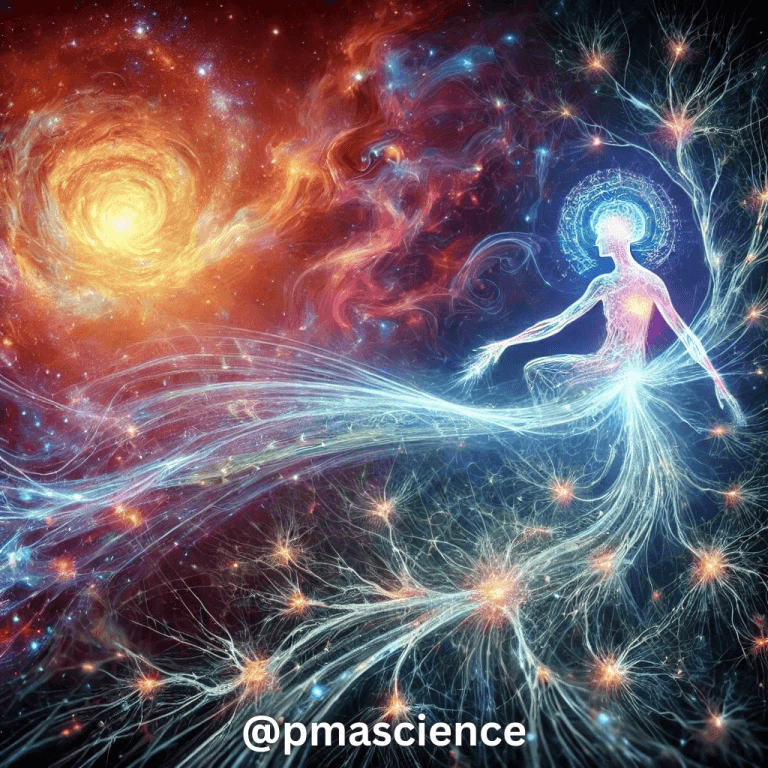
Thought is an enigmatic force that bridges the gap between the ethereal realm of consciousness and the tangible world of neural activity. Scientifically, it involves complex interactions between neurons, neurotransmitters, and various brain regions. Esoterically, thought is seen as the creative energy that shapes our reality and manifests our innermost desires.

The Power and Influence of Your Dominating Mindset

Picture a serene lake, its surface like a mirror, reflecting the endless sky and towering trees around it. Suddenly, a pebble is tossed into the water, and ripples spread outward, altering everything they touch. This is the nature of Thought—a single idea, once introduced, can ripple through your mind and influence every aspect of your existence.

Napoleon Hill, the visionary author of Think and Grow Rich, grasped the profound power of Thought. He declared, “Thought, whether accurate or inaccurate, is the most highly organized functioning power of your mind. You are but the sum total of your dominating or most prominent thoughts.” This wisdom reflects a timeless truth: our thoughts shape our reality, a principle that echoes through the ages, from ancient philosophies to modern psychology. Furthermore, an idea without emotion is just dry. Emotionalized thoughts with a burning desire and actions make a thought powerful.

Thought is more than a fleeting mental activity; it is the essence of our being, the unseen architect of our reality. It molds our actions, forges our character, and directs our destiny. Understanding Thought is the key to unlocking the mysteries of the human mind—a journey that has intrigued philosophers, psychologists, and sages for centuries. From the disciplined reflections of the Stoics to the optimistic affirmations of modern psychology, Thought is the golden thread that weaves together the fabric of human wisdom.

What is Thought?

Without emotion, thoughts are mere ideas. Yet, when infused with a vivid emotion—especially love, sex, desire, and passion—thoughts become potent forces that breathe life into our aspirations. But does a thought alone give life, or is it the emotionalized Thought that genuinely holds the key to life? This is a question only the creator, the giver of life, might answer.

The Oxford Dictionary defines thought as “an idea or opinion produced by thinking, or occurring suddenly in the mind.” While this definition offers a starting point, it barely scratches the surface of what Thought truly is. Psychology, for instance, provides a more nuanced understanding.

The Psychology of Thought: A Deeper Exploration

Psychology teaches us that Thought is a complex mental process that involves manipulating information, concepts, memories, and emotions. It encompasses various activities, including reasoning, problem-solving, imagination, decision-making, and reflection. Thought allows us to interpret our experiences, make sense of the world, plan our actions, and communicate effectively.

From a cognitive perspective, Thought involves several key components:

  1. Cognition: The mental process of acquiring knowledge and understanding through thought, experience, and the senses.

  2. Reasoning: The ability to form conclusions, judgments, or inferences from facts or premises, including logical processes like deductive and inductive reasoning.

  3. Problem-Solving: The mental process of finding solutions to complex issues or challenges.

  4. Decision-Making: The cognitive process of selecting a course of action from multiple alternatives.

  5. Imagination: The ability to form new images and sensations in the mind that are not perceived through the senses.

  6. Memory: The ability to store and retrieve information over time, crucial for recalling past experiences and knowledge.

  7. Reflection: The mental process of thoughtful contemplation or consideration.

Thought is a fundamental aspect of human consciousness, influenced by internal and external factors, including emotions, sensory input, cultural context, and individual experiences. It is a subject of study across multiple disciplines, including psychology, neuroscience, philosophy, and artificial intelligence. Yet, the true essence of Thought remains an enigma.

Exploring Thought Through Time: Wisdom Across Cultures

To deepen our understanding of Thought, we can look to the wisdom of the ancients—Stoicism, Positive Mental Attitude (PMA), psychology, and ancient cultural wisdom—all of which have provided profound insights into its power.

Stoicism: The Art of Rational Thought

The Stoic Perspective, Mastering Your Mind

 In the ancient civilizations of Athens and Rome, Stoics saw Thought as a disciplined tool for achieving tranquility and virtue. They believed our thoughts are the primary architects of our emotions and actions. Marcus Aurelius, the Roman Emperor, and Stoic philosopher, emphasized the power of rational Thought in overcoming emotional turmoil. He wrote in his Meditations, “You have power over your mind—not outside events. Realize this, and you will find strength.”

Imagine standing amid a raging storm. The winds howl, the seas churn, but the Stoic remains unshaken, his mind a fortress of reason amidst the chaos. This metaphor encapsulates the Stoic belief that while we cannot control external events, we can control our reactions through disciplined Thought. By cultivating rational thoughts, we become resilient to life’s challenges, finding peace and clarity.

Positive Mental Attitude (PMA): The Power of Optimistic Thought

The Art of Optimistic Thinking

 In the 20th century, Napoleon Hill and W. Clement Stone expanded the philosophy of PMA, revolutionizing our understanding of positive thinking. PMA emphasizes that by nurturing positive thoughts, we can attract positive outcomes. Hill argued that our dominant thoughts shape our reality, a concept captured in his famous quote, “Whatever the mind can conceive and believe, it can achieve.”

Think of your mind as a garden. Positive thoughts are like seeds that grow into a lush, vibrant landscape, while negative thoughts are weeds that choke your potential. By consciously planting and nurturing positive thoughts, you create a flourishing mental environment that propels you toward success and fulfillment.

Helen Keller is a shining example of PMA in action. Despite losing sight and hearing at a young age, she maintained a positive attitude, famously declaring, “Optimism is the faith that leads to achievement. Nothing can be done without hope and confidence.” Her life is a testament to the power of a positive mental attitude, showing how thoughts imbued with hope and determination can lead to incredible achievements.

Psychology: The Science of Thought

The Cognitive Revolution

 Modern psychology delves deeply into the mechanisms of Thought, exploring its impact on behavior and well-being. Cognitive-behavioral therapy (CBT), developed by Aaron T. Beck, is based on the premise that our thoughts influence our emotions and behaviors. Individuals can improve their mental health by identifying and challenging negative thought patterns.

Consider someone suffering from anxiety. The mind of such a person might be filled with catastrophic thoughts—fearful future predictions. They can learn to identify these irrational thoughts through CBT and replace them with more realistic, positive ones. Over time, this shift in thinking can reduce anxiety and significantly improve quality of life.

CBT typically involves five stages:

  1. Assessment and Engagement: Understanding the individual’s mental health and concerns.

  2. Formulation: Developing a plan based on the individual’s thought patterns.

  3. Active Intervention: Implementing strategies to change negative thought patterns.

  4. Maintenance and Relapse Prevention: Ensuring the changes are sustained.

  5. Termination and Evaluation: Concluding therapy with a review of progress.

Ancient Wisdom: Thought Across Cultures

 Throughout history, cultures have revered Thought as a sacred force. In India, yogis use meditation and mindfulness to harness the power of Thought. Practices like pranayama (breath control) and dhyana (meditation) are tools to achieve mental clarity and enlightenment, viewing Thought as a bridge to the divine.

The Sumerians, Aztecs, Mayas, and Incas, among others, intertwined Thought with spiritual beliefs and rituals. The Sumerians believed in deities called Anunnaki, who imparted wisdom and knowledge. The Aztecs and Mayans saw Thought as a vital connection to the cosmos, guiding their rituals and prophecies. The Incas believed balanced and harmonious thoughts were essential for maintaining cosmic order.

In Kabbalistic tradition, the Sephiroth represents the ten attributes through which the Infinite reveals itself and creates both the physical and metaphysical realms. This mystical framework sees thought as a conduit for divine energy and wisdom.

Throughout history, various cultures have revered thought as a sacred force. The Yogis of India emphasizes meditation and mindfulness to harness the power of Thought. Through practices like pranayama (breath control) and dhyana (meditation), they achieve a state of mental clarity and enlightenment, viewing Thought as a bridge to the divine.

In the ancient wisdom of the Sumerians, Aztecs, Mayas, and Incas, thought was intertwined with spiritual beliefs and rituals. The Sumerians believed in the Anunnaki, deities who imparted knowledge and wisdom. The Aztecs and Mayans saw thought as a vital connection to the cosmos, guiding their rituals and prophecies. The Incas, with their concept of “Ayni” (reciprocity), believed that balanced and harmonious thoughts were crucial for maintaining cosmic order.

In Kabbalistic tradition, the Sephiroth represents the ten attributes through which the Infinite reveals itself and continuously creates both the physical realm and the chain of higher metaphysical realms. Each attribute is a vessel for divine Thought, illustrating how Thought is seen as a conduit for divine energy and wisdom.

Ancient Wisdom: A Global Perspective

The importance of Thought is not limited to modern or Western philosophies. Ancient wisdom from various cultures also underscores its significance.

Yogic Wisdom: The Power of Meditation

In yogic traditions, the mind is likened to a monkey, constantly jumping from one thought to another. Through meditation, practitioners learn to quiet the mind and cultivate inner peace. This practice illustrates the power of controlling one’s thoughts to achieve mental clarity and serenity.


Atlantic Wisdom: Harmony and Balance

The wisdom of the ancient Atlanteans, as recounted in myth and legend, emphasizes the importance of harmony and balance in Thought. By aligning one’s thoughts with the natural order, individuals are believed to achieve great wisdom and enlightenment.


Sumerian, Aztec, Maya, and Inca Wisdom: Cosmic Connection

Sumerians, Aztec, Maya, and Inca cultures recognized the profound connection between Thought and the cosmos. Their wisdom teaches that our thoughts resonate with the universe, influencing our lives and the world around us. This cosmic perspective underscores the power and responsibility of our thoughts.


Anus and Annunaki Wisdom: Divine Influence

In the wisdom of the Anus and Annunaki, thoughts are seen as gifts from the gods, carrying divine influence. Individuals can align themselves with divine will and achieve spiritual enlightenment by cultivating pure and noble thoughts.


The Sephiroth (Sefirot): Mystical Pathways

In Kabbalistic tradition, the Sephiroth represents ten attributes through which the Infinite reveals itself and continuously creates both the physical realm and the chain of higher metaphysical realms. Thought is a central aspect of this mystical framework, highlighting its creative and transformative power.


Muslim Wisdom: The Heart and Mind

In Islamic teachings, thought and intention (niyyah) are crucial. The heart is considered the seat of Thought, and maintaining pure and righteous thoughts is essential for spiritual growth and moral integrity.


Ethiopian Wisdom: Collective Consciousness

Ethiopian wisdom emphasizes the collective nature of Thought. In communities where oral tradition is strong, shared thoughts and stories shape collective identity and wisdom, illustrating the communal power of Thought.


Thought as the Foundation of Wisdom

Thought is the cornerstone of wisdom across various philosophies and cultures. The Sufis in Islamic tradition emphasize the purification of Thought to achieve spiritual enlightenment. They practice Dhikr, the remembrance of God, to cleanse the mind of impure thoughts and attain divine knowledge.


Similarly, in ancient Chinese philosophy, Confucius taught that cultivating virtuous thoughts leads to moral excellence and social harmony. The Daoists, on the other hand, advocate for simplicity and clarity of thought, aligning with the universe’s natural flow.

Thought: The Foundation of Wisdom Across Time and Culture

The significance of Thought transcends modern understanding, finding resonance in the ancient wisdom of various cultures. From the disciplined rationality of Stoicism to the transformative power of PMA, from the rigorous study of psychology to the mystical teachings of ancient traditions, Thought has consistently been recognized as the cornerstone of human experience.

Conclusion: Cultivating Dominant Thoughts

Across time and cultures, the message remains clear: our thoughts are the most potent force in our minds. They shape our reality, influence our emotions, and drive our actions. To harness this power, we must be mindful of our dominant thoughts. Are they positive and empowering, or negative and limiting?

By embracing a positive mental attitude, practicing mindfulness, and drawing from the wisdom of ancient and modern philosophies, we can align our thoughts with our highest aspirations. Napoleon Hill wisely observed, “You are but the total of your dominating or most prominent thoughts.” Let us choose our thoughts wisely, for they are the architects of our destiny.

Thought

We have named above what Thought is, though we make a simple reminder here:

Thought is pure cosmic energy, a force that defies human reasoning’s complete comprehension. It is invisible yet profoundly powerful, sustaining and animating life.

Much like how a car starter relies on fuel or RAM to power a computer or vehicle, Thought energizes our lives in ways we may never fully understand.

Reflecting on a study of 17 patients who passed away between 2022 and 2024, none of us—nurses or myself—could observe what happened to the energy of their final breath. The breathing energy vanished, much like Thought, a pure, unseen force distinct from the physical energies of electrons and protons.


Cheers,
Jay Pacheco

Overcoming Contempt

The PMA Science Guide to Overcoming Contempt

Contempt is a powerful emotion that can stem from various sources—sweetheart women and men, the workplace, business environments, the street, different ethnic backgrounds, and even family members. Dealing with contempt effectively is crucial for personal and professional success. This blog explores overcoming contempt using principles from Stoicism, Positive Mental Attitude (PMA), psychology, esoteric thinking, economics, and Paul Ekman’s emotional insights. We will guide you with examples, methods, metaphors, and real-life cases.


What Does Contempt Look Like?

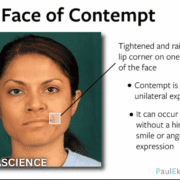
Contempt is one of the seven basic emotions identified by Paul Ekman, and it has a distinct facial expression:

One side of the mouth raised: The most recognizable feature of contempt is the asymmetrical facial expression, where one corner of the mouth is pulled upwards, often forming a smirk. This micro-expression can look like a half-smile, but it lacks the warmth or sincerity of a genuine smile.

Subtle sneer: The raised corner of the mouth can give the appearance of a sneer, signaling a feeling of superiority or disdain.

Eyes: The eyes may be slightly narrow, often without the direct, warm engagement typical of other positive emotions like happiness.

Recognizing Contempt in Others

Asymmetry: Unlike other emotions that engage both sides of the face evenly (like a complete smile), contempt is typically asymmetrical, involving only one side of the face.

Brief Expression: Contempt might flash briefly across a person’s face before they return to a neutral or different expression. Ekman referred to these quick expressions as “micro-expressions.”

Practical Example

Imagine you’re in a meeting, dating, or just saying hi, and you make a suggestion. A colleague, lover, spouse, manager, or politician responds by narrowing their eyes and slightly raising one corner of their mouth. This micro expression could signify contempt, indicating that they deem your suggestion inferior or unworthy of attention. Additionally, you are viewed in their eyes as unworthy and inferior.

27232B80-E835-4A75-86C0-00A3B72BB285.jpeg

838146BD-D52B-49E5-90D2-CC2A12B574C3.jpeg

What is Contempt?

Contempt is a complex emotion and micro-expression involving disdain, superiority, or disrespect towards someone or something. It often arises when a person feels that another person, idea, or behavior is beneath them or unworthy of consideration.

Critical Aspects of Contempt:

1. Emotional Disdain: Contempt is the expression of disgust or rejection of a subject or person. Contempt messages or looks can be directed at an individual or several individuals or groups across multiple cultures or even at abstract ideas.

2. Superiority: A person experiencing contempt acts and feels superior to the target of their contempt, viewing them as inferior or unworthy.

3. Nonverbal Expression: Contempt expressions are usually nonverbal, such as a smirk, a sneer, or a roll of the eyes. In the study of contempt, Paul Ekman identified the asymmetrical smirk as a critical facial expression.

4. Interpersonal Impact: Contempt can be particularly damaging in relationships. It conveys a lack of respect and can erode trust and communication, often leading to conflict and estrangement.

5. Psychological Context: In psychology, contempt is considered a primary emotion universally recognized across cultures. It’s distinct from anger or disgust, although it can be related to them.

Example of Contempt:

Imagine someone suggesting a meeting, and another person responds with a smirk as if to say, “That’s a ridiculous idea.” This reaction displays contempt, indicating that the person feels the suggestion is not worthy of serious consideration.

F37A1185-1E68-4750-B6E8-D005D1EC2929.jpeg

Contempt in Relationships:

Contempt is particularly toxic in close relationships, such as between romantic partners or family members. According to relationship expert John Gottman, contempt is one of the strongest predictors of relationship breakdowns because it communicates a lack of respect and empathy.

B5543DE6-EEDA-43AB-8A85-95438C8D848A.jpeg

69C90556-86E6-41BB-A472-9B8692FAED82.jpeg

Contempt in Relationships:

Contempt is more than a fleeting emotion; it reflects deep-seated judgments and can have significant implications for personal and professional relationships. Understanding and addressing contempt, whether one experiences it or is the target, is crucial for maintaining healthy, respectful interactions.

Now, let’s see what tools can help us overcome contempt.

1. Stoicism: Strength Despite Contempt

Method: Control What You Can; Accept What You Cannot

Stoicism teaches us that while we cannot control others’ actions or feelings, we can control our reactions. We must maintain our composure and integrity if we face contempt from a sweetheart, family member, or colleague.

Example: In the workplace, if your efforts are met with contempt, focus on doing your job well and acting professionally. Over time, this consistent behavior can shift how others perceive you.

Metaphor: “You are the captain of your ship; the storm is beyond your control, but how you steer it is up to you.”

Case: Marcus Aurelius faced contempt from the Roman Senate but remained steadfast in his duties, eventually earning their respect. Meditation’s book teaches this.

2. Positive Mental Attitude (PMA): Turning Adversity into Opportunity

Method: Focus on Solutions, Not Problems

PMA encourages us to maintain an optimistic outlook even in the face of negativity. When faced with contempt from a romantic partner or a business associate, channel your energy into finding constructive solutions.

Example: If your sweetheart shows contempt, seek to understand their perspective instead of reacting negatively and work towards improving the relationship.

Metaphor: “A positive mindset is like a sun that melts away the frost of contempt.”

Case: Oprah Winfrey overcame contempt from her family and environment by focusing on her dreams, ultimately achieving incredible success.

3. Psychology: Understanding and Reframing Contempt

Method: Reframe the Situation Using Cognitive-Behavioral Techniques

Psychology teaches us that contempt often reflects the insecurities or biases of others rather than an accurate assessment of our worth. Reframing contempt as a reflection of the other person’s issues can help you respond more effectively.

Example: If a colleague or family member shows contempt, recognize that their behavior might stem from their struggles. Approach the situation with empathy and assertiveness.

Metaphor: “Contempt is often a mask for weakness; understanding this disarms it.”

Case: Nelson Mandela used this understanding to maintain dignity in the face of contempt from apartheid-era jailers, eventually earning their respect.

4. Esoteric Thinking: Seeking Deeper Wisdom

Method: Embrace the Concept of ‘As Above, So Below’

Esoteric traditions suggest that external conflicts often mirror internal ones. When dealing with contempt, introspect to see if unresolved internal issues might contribute to the situation.

Example: If you’re facing contempt in the business world, consider whether any internal doubts or conflicts might affect your external interactions. Work on resolving these internally to change external dynamics.

Metaphor: “The universe is a mirror; change what you see in yourself, and the reflection changes.”

Case: Carl Jung explored esoteric thinking, using it to resolve internal conflicts, which improved his relationships and career.

5. Economics: Strategic Use of Resources

Method: Leverage Your Resources Strategically

In economics, success often comes from strategically using resources. When facing contempt, whether in business or personal life, use your resources—money, time, or skills—to build influence and change perceptions.

Example: If you face contempt in business, invest in further education or strategic partnerships to enhance your standing and reduce contemptuous attitudes.

Metaphor: “In the marketplace of respect, invest wisely to increase your value.”

Case: Warren Buffett is said to have been initially dismissed by his peers but used his resources strategically to build a reputation that eventually led to his respect throughout the world.

6. Emotions Revealed: Identifying and Managing Emotions

Method: Recognize Contempt and Respond with Calm Assertiveness

Paul Ekman’s research on emotions teaches us to identify contemptuous micro-expressions. Recognizing these signals allows you to respond calmly and assertively, which can defuse the situation.

Example: On the street or in social situations, if someone shows contempt, recognize the emotional signals and choose a calm, composed response rather than reacting emotionally.

Metaphor: “Reading emotions is like reading the weather; prepare for the storm, but don’t let it shake your foundations.”

Case: Ekman’s work and research have been and are being used in conflict resolution, where understanding and addressing contempt can prevent escalation. For example, the Netflix series “Lie To Me” is based on Ekman’s research, among other things.

7. The Integration of These Approaches: A Holistic Approach

Method: Blending Stoicism, PMA, Psychology, Esoteric Thinking, Economics, and Emotions Revealed

Combining these approaches allows you to create a powerful strategy to overcome contempt from any source, whether from your sweetheart, family, colleagues, or even strangers.

Example: If you encounter contempt in multiple areas of life, such as business and personal relationships, use stoic resilience to stay grounded, PMA to maintain optimism, psychological insights to understand others, esoteric wisdom to address internal conflicts, economic strategies to build influence, and emotional intelligence to manage your responses.

Metaphor: “Success is a tapestry woven from threads of wisdom, optimism, understanding, strategy, and emotional intelligence.”

Case: Mahatma Gandhi used a blend of these approaches to overcome the British Empire’s contempt, ultimately leading India to independence.

Conclusion

Contempt can be a challenging emotion to face, especially when it comes from those close to us because it brings emotional and psychological pain and can bring depression in environments where we seek success. However, by adopting a holistic approach that combines Stoicism, Positive Mental Attitude (PMA), psychology, esoteric thinking, economics, and the emotional insights of Paul Ekman, you can transform contempt into a stepping stone toward more remarkable achievement. Remember, success often comes from external accomplishments, inner strength, resilience, and the wisdom to turn adversity into opportunity.

Note:

Suppose you are looking for images to study facial expressions further. In that case, I recommend searching for resources on Paul Ekman’s work, particularly those related to the Facial Action Coding System (FACS), which provides a detailed analysis of facial expressions associated with emotions like contempt.

1. Paul Ekman’s Work and Resources: Paul Ekman is a well-known psychologist who has extensively studied facial expressions and emotions. His work on micro-expressions includes images and video examples that show contempt, among other emotions. You can visit his official website or look for resources related to the Facial Action Coding System (FACS) he developed.

2. Facial Expression Databases: Several databases and research sites provide images of different facial expressions used for scientific research. One popular resource is the Karolinska Directed Emotional Faces (KDEF) database, which includes a variety of emotional expressions, including contempt.

3. Image Search Engines: You can use search engines like Google Images to find examples of facial expressions showing contempt. Searching for terms like “contempt facial expression” or “Paul Ekman contempt” should yield valuable results.

4. Educational Videos: Websites like YouTube have educational videos explaining micro-expressions, including contempt. These often include visual examples to help you recognize the expression.

These resources should help you find the visual examples you’re looking for.

Note:

Facial Action Coding System(FACS) will soon be available digitally (as an ebook) at pmascience.com/books. Stay tuned!

IMG_1764.jpeg

Cheers,
Jay Pacheco