Triumph Over Pre-Type 2 Diabetes
The Inspiring Journey of Science, Nutrition, and Unyielding Determination
(The Jay Pacheco Adventure)
Join Jay Pacheco on an inspiring journey to overcome pre-diabetes, a precursor to Type 2 diabetes. This compelling narrative integrates advanced scientific research, transformative nutritional strategies, and a resilient Stoic mindset. Learn how Jay transformed challenges into opportunities, forging an extraordinary path toward health and vitality. Prepare for an empowering experience that highlights resilience, knowledge, and the steadfast determination to regain one’s health.
With Jay Pacheco’s permission to mention his name, discuss the car accident, and share some of his life story.

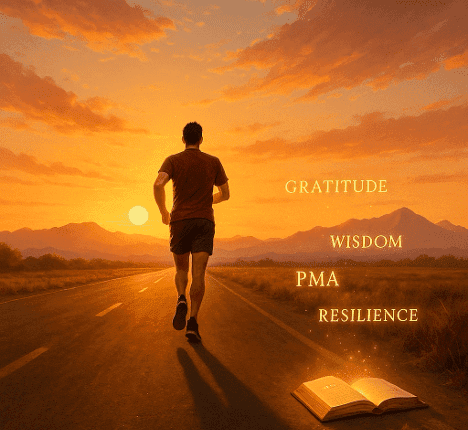
When an adversary strikes, a stoic mindset, a positive mental attitude (PMA), gratitude, applied faith, and action are a great antidote. – Jay Pacheco
Introduction
In the early fall of 2024, Jay Pacheco experienced a life-changing event that would forever alter his destiny. A reckless 19-year-old, driving at an estimated 60 to 70 km per hour, failed to yield at a yield sign and collided with the left side of Jay’s car, turning a normal evening into a near-fatal disaster. The crash sent shockwaves through Jay’s life, plunging him into chaos and uncertainty as he dealt with the aftermath of that devastating collision. With severe injuries affecting his entire left side—his neck, head, shoulder, ribs, and stomach—his body and metabolism were thrown into disarray, raising serious health concerns. Just when a diagnosis of Type 2 diabetes seemed inevitable in March 2025, Jay made an astonishing recovery that left his doctors in awe.
In a remarkable turnaround during the final two weeks of March 2025, Jay exhibited a faster reversal of his pre-diabetic indicators than medical professionals expected. How was this exceptional achievement possible? Through the use of an extraordinary combination of rigorous nutritional discipline, persistent physical activity, and an unwavering Positive Mental Attitude (PMA), fundamentally rooted in Stoic philosophy, gratitude, and faith.
Jay’s remarkable journey exemplifies resilience and determination, demonstrating that near-Type 2 diabetes and the regulation of glucose levels—conditions often regarded as chronic—can be effectively managed, and in some cases, reversed. His story serves as an inspiring example of how gratitude, stoicism, a positive mental attitude (PMA), scientific principles, and a disciplined mind-body approach can facilitate healing and transformation.
In this profound exploration, we will:
• Understand what Type 2 diabetes is, including its causes, symptoms, and what modern medicine says about the possibility of reversal.
• Review cutting-edge research and reputable sources showing how diet, exercise, and even psychological factors can lead to diabetes remission.
• Learn how Stoic philosophy (think Marcus Aurelius and Epictetus) and PMA (à la Napoleon Hill) can strengthen one’s mindset to overcome illness.
• Break down the psychological and behavioral strategies – becoming an observer, investigator, and disciplined social being – that support healing.
• Explore Jay’s precise juice regimen (beetroot, carrot, apple, ginger, lemon) with a science-based perspective on how these ingredients impact blood sugar and metabolism.
• Highlight quotes from ancient Stoics and modern thinkers to inspire resilience.
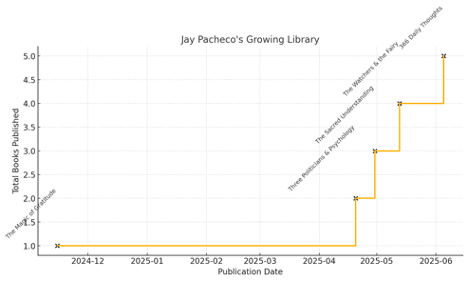
•Links to Jay Pacheco’s book The 90-Day Stoic and PMA Challenge (born from his ordeal) and related health books for further reading, like The Magic of Gratitude: A Memoir of a True Story, and PMA Science Stoic: 366 Daily Thoughts.
• Emphasize how gratitude, mindset, and daily rituals contribute to overall well-being and recovery.
•Share other real-life examples of diabetes reversal and testimonials of hope.
Whether you’re aiming to reverse Type 2 diabetes, support a loved one, or find inspiration in the blend of science and philosophy in healing, this comprehensive guide will provide you with the knowledge and motivation you need. It’s time to explore how mind and body can work together to overcome a condition long considered “incurable.” The Human Body: A Universe Within, a new book Jay is writing…
Understanding Type 2 Diabetes

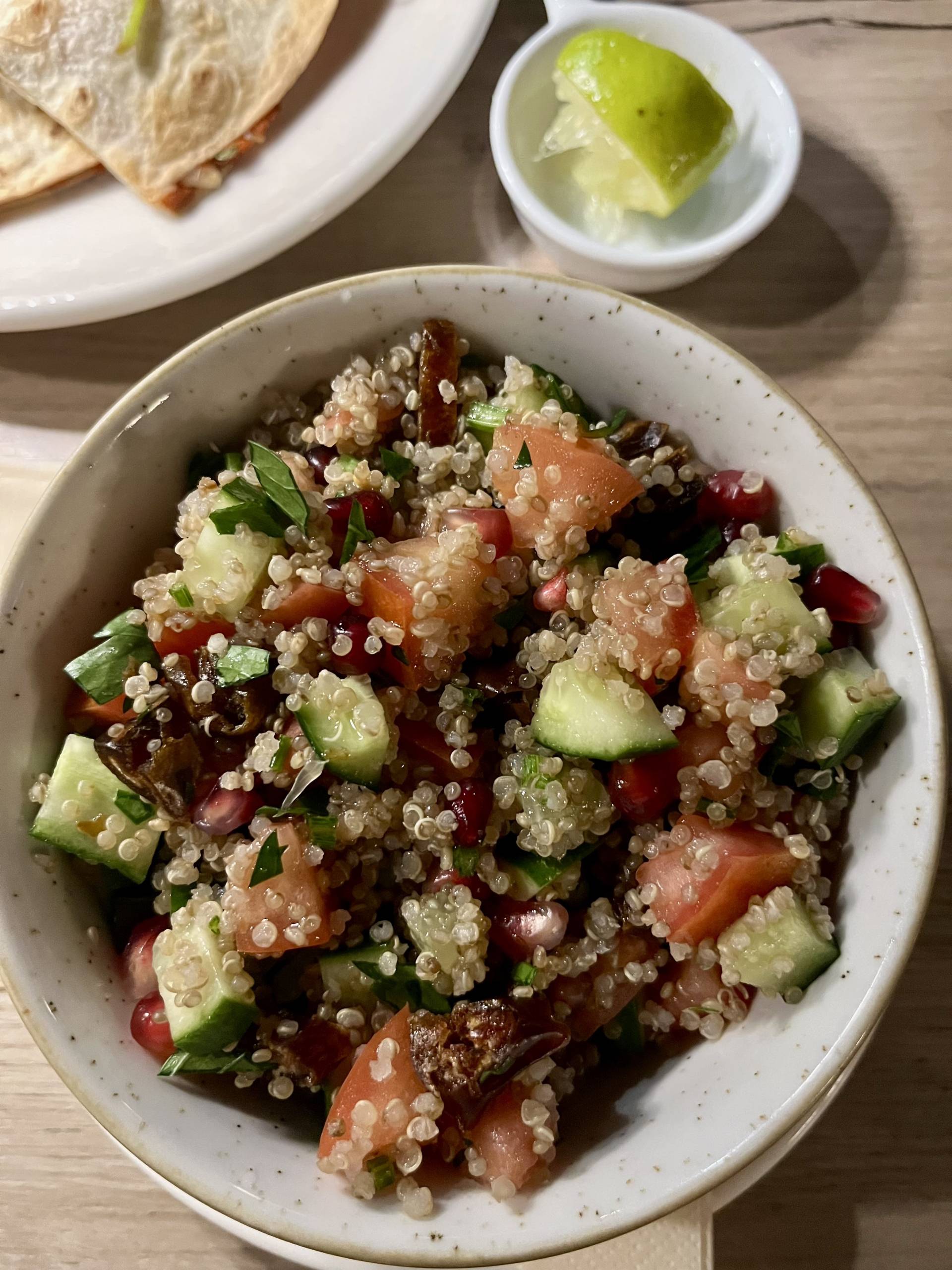
Moroccan Quinoa Salad: Fresh Veggies, Dates, and Pomegranate with Mint.
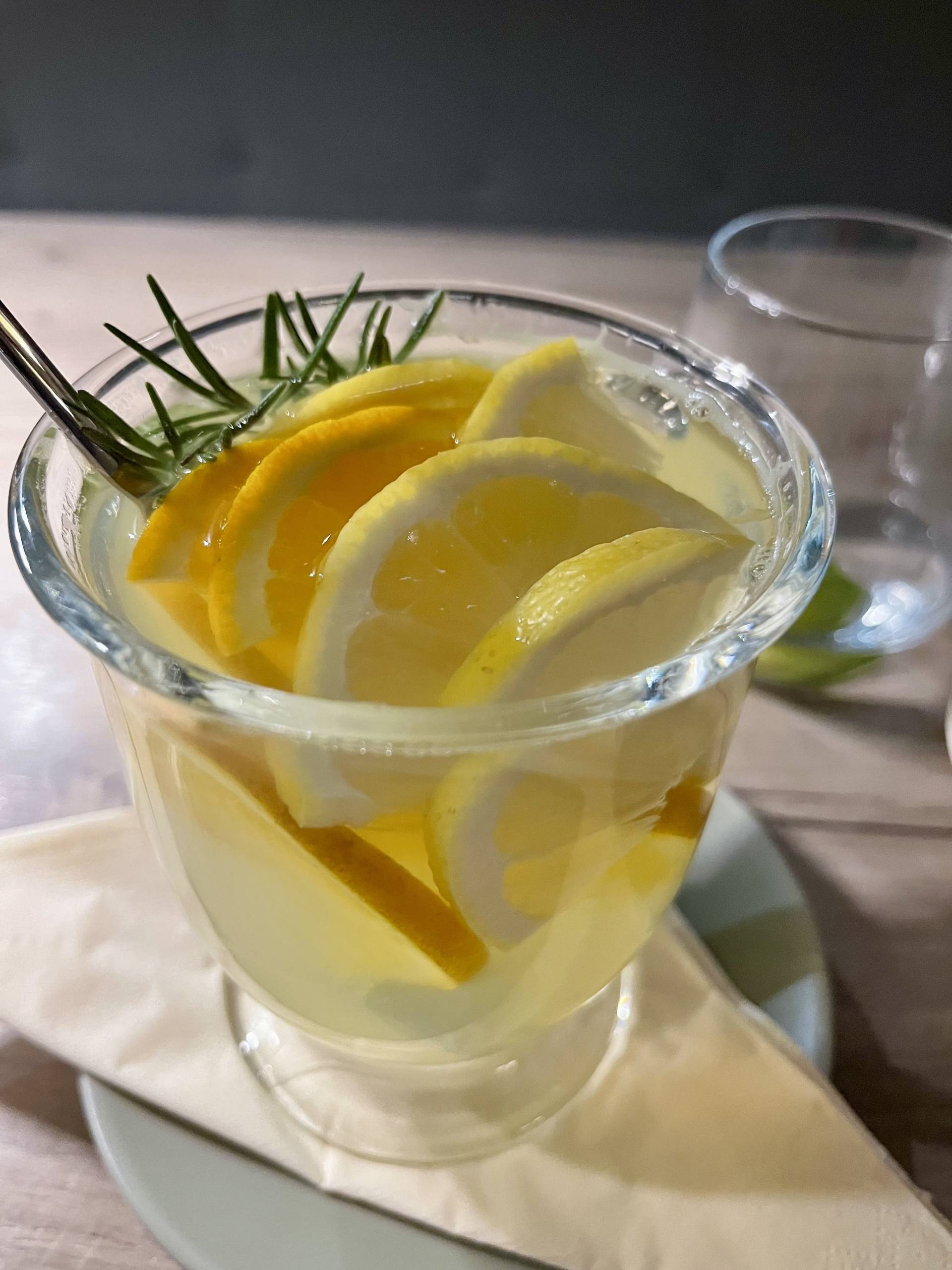
Infusion tea: orange, lemon, ginger, garlic, and rosemary.
During the third week of June 2025, I had a delightful evening at a vegetarian restaurant in Gdansk, where the servers greeted me with such warmth. It was my first time indulging in a vegetarian two-course dinner, complemented by a refreshing citrus tea (pictured above)—what a wonderful experience! Thanks to some diet changes I made in March 2025, I don’t have type 2 diabetes anymore, but I still follow a diabetic-friendly diet to help my body recover more healthily. – Jay Pacheco
Type 2 diabetes is a chronic metabolic condition characterized by elevated blood glucose (sugar) levels due to the body’s inability to use insulin effectively. In Type 2 diabetes, cells become resistant to insulin’s signals (insulin resistance), and the pancreas may not produce enough insulin to overcome this resistance. The result is that sugar builds up in the bloodstream instead of being taken up by cells for energy. Over time, chronically high blood sugar can damage vital organs and tissues. Common symptoms include excessive thirst and urination, fatigue, blurry vision, slow-healing wounds, and numbness or tingling in the extremities. If unmanaged, Type 2 diabetes can lead to serious complications like heart disease, nerve damage, kidney failure, and vision loss.
Type 2 diabetes develops due to a combination of genetic predisposition and lifestyle factors. Causes and risk factors often include a diet high in refined carbohydrates and sugars, being overweight (especially with visceral fat around the organs), a sedentary lifestyle, chronic stress, and genetic factors. Unlike Type 1 diabetes (an autoimmune condition where the body produces little or no insulin), Type 2 is strongly linked to lifestyle and usually develops in adulthood (though it’s now increasingly seen in younger people with rising obesity rates ).
For decades, Type 2 diabetes was viewed as a lifelong condition – something to “manage” rather than cure. Patients were often told that it’s a progressive disease: medications can control it, but reversal was not expected. Standard medical advice has been that there is no cure for Type 2 diabetes and that it will progressively worsen without ever truly going away. However, emerging research over the past 10–15 years has challenged this notion, introducing the concept of diabetes remission. We now understand that in many cases, Type 2 diabetes can be reversed (put into long-term remission) through substantial lifestyle changes that tackle the root cause – insulin resistance.
Is Type 2 Diabetes Reversible?
Medical understanding is evolving to embrace the idea that Type 2 diabetes can be reversed (or induced into remission) in a significant subset of patients. Remission refers to maintaining normal blood sugar levels without requiring glucose-lowering medication for an extended period. Achieving this often hinges on weight loss (especially loss of visceral fat in the liver and pancreas) and improved insulin sensitivity.
Research by diabetologists like Professor Roy Taylor (Newcastle University, UK) has revealed a “twin cycle” mechanism: excess calories lead to fat buildup in the liver, which causes insulin resistance and excess glucose production; simultaneously, fat infiltrates the pancreas, impairing insulin secretion. If this cycle is broken by drastically reducing calorie intake and weight, blood sugar regulation can normalize. In Taylor’s landmark studies, patients put on a very low-calorie diet (approximately 800 calories per day) for 8 weeks lost significant weight and, in many cases, restored their fasting blood sugar levels to normal. In one trial, approximately 46% of patients achieved diabetes remission after completing an intensive weight-loss program, compared to 4% of the control group. Another study reported an impressive 61% remission rate after one year of a diet-and-exercise intervention, compared to only 12% in those receiving standard care. The key seems to be early and aggressive intervention – patients who had developed diabetes within the past few years and then lost around 10–15% of their body weight were much more likely to become non-diabetic again.
It’s not just crash diets that work. Bariatric surgery (weight loss surgery) has long been known to send Type 2 diabetes into remission even before significant weight loss occurs, thanks to hormonal changes. However, for those who prefer non-surgical methods, intensive lifestyle changes can mimic these effects. The consensus in recent years is that with the right approach, especially if applied soon after diagnosis, Type 2 diabetes is reversible or at least can be dramatically improved. Everyone is different – not everyone will achieve remission – but the possibility is real. Doctors now aim for “diabetes remission” as a goal in certain patients, rather than just maintaining the condition.
Importantly, “reversal” doesn’t mean it’s gone forever, regardless of lifestyle. Many experts prefer the term remission because if old habits return, so can high blood sugar. In Jay Pacheco’s case, catching his dysregulated blood sugar early and attacking it with full-force lifestyle changes allowed him to dodge a formal diabetes diagnosis. His fasting glucose and other markers returned to healthy ranges within weeks – effectively a reversal – but he acknowledges that staying in remission requires ongoing discipline. As we explore Jay’s regimen, we’ll see how science-based strategies and mental resilience combine to sustain long-term success.
The Role of Diet and Nutrition in Reversal

Dietary change is the cornerstone of Type 2 diabetes reversal. Since Type 2 is fundamentally a condition of energy overload – too much sugar and fat floating in the system – the most direct way to reverse it is to change what, how, and how much you eat. This was Jay’s first area of focus in his recovery.
Modern research highlights a few effective nutritional strategies:
•Caloric Reduction & Weight Loss: Weight loss is the most effective strategy for most individuals. By creating a calorie deficit (through diet, often combined with exercise), the body is forced to use its stored fat for energy. Crucially, it begins drawing on fat stored in the liver and pancreas. Studies show that losing as little as 10–15% of body weight can lead to diabetes remission in most patients. Many remission trials use a low-calorie diet (LCD) or very-low-calorie diet (VLCD) to induce rapid weight loss. For example, one study found that an average weight loss of ~26 pounds was sufficient to normalize blood sugar levels in over half of the participants. The key takeaway is clear: losing visceral fat reduces stress on insulin-producing cells. As Dr. Shahrad Taheri puts it, if weight is lost early enough in the disease process, “you can reverse the disease” and avoid the cascade of complications.
•Low-Carbohydrate Diets: Since carbohydrates directly impact blood glucose, reducing total carb intake (especially refined carbs) is a quick way to control blood sugar. Many find success with low-carb, high-fat (LCHF) or ketogenic diets, which dramatically reduce bread, pasta, sugary foods, and even limit fruits and starchy vegetables. By keeping carbs extremely low, these diets minimize blood sugar spikes and insulin levels, often leading to rapid improvements. One example is the Virta Health program, which uses a monitored ketogenic diet; their patients have shown significant rates of medication-free diabetes remission. Dr. Jason Fung, author of The Diabetes Code, emphasizes, “It’s a dietary disease, so therefore the treatment demands a dietary solution”. He advocates cutting added sugars and refined starches, avoiding constant snacking (to let insulin levels drop between meals), and incorporating intermittent fasting. By giving the body extended breaks from food intake, intermittent fasting helps burn off excess glucose and fat stores, effectively resetting insulin sensitivity.
•Whole-Food, Plant-Based Diets: At the other end of the spectrum, some patients have reversed diabetes with high-carb, yet unprocessed, plant-based diets. These diets (promoted by experts like Dr. Neal Barnard and reflected in the story of NYC Mayor Eric Adams) focus on whole grains, legumes, vegetables, and fruits while eliminating animal fats and refined foods. The mechanism is through fat loss and improved insulin function. When you eliminate calorie-dense, fatty, and sugary junk foods and consume high-fiber plant foods, you naturally consume fewer calories and lose weight. Fiber-rich foods also slow glucose absorption and improve gut health. Eric Adams, for instance, adopted a strict plant-based diet and within three months lost 35 pounds, restored his vision, and reversed his diabetes. His book, Healthy at Last, documents his transformation and how a nutrient-dense diet can help combat chronic disease. There are multiple paths, but the common denominator is eating in a way that nourishes the body and reduces excess body fat.
•Specific Foods and Nutrients: Beyond overall diet patterns, research suggests certain foods have particular benefits for blood sugar management. Diets rich in fiber (especially soluble fiber from oats, fruits, beans, etc.) help regulate post-meal glucose by slowing carbohydrate absorption. Lean proteins and healthy fats (from sources like fish, olive oil, nuts, and avocados) promote satiety and steady energy, helping prevent overeating. Many patients adopt a “lower glycemic index (GI)” approach, choosing carbs that don’t spike blood sugar as sharply (e.g., brown rice over white, whole fruit over juice). Additionally, some foods are being studied for insulin-sensitizing or glucose-lowering effects – for example, cinnamon, vinegar, and chromium have all been researched for modest benefits. While no single “superfood” will reverse diabetes, combining wise choices can create a synergistic effect.
One intriguing element in Jay Pacheco’s nutritional toolkit was his daily juicing regimen, which we will examine later. Consuming juices might seem counterintuitive for a diabetic (or nearly diabetic) person since they can be high in sugar. Still, Jay’s regimen was carefully designed to maximize micronutrients while minimizing its impact on blood sugar. It included vegetables like beetroot and carrots, as well as boosters like ginger and lemon, which likely aided his metabolism in unique ways (more on the science behind these ingredients in an upcoming section).
It’s worth noting that sustainability is key. A crash diet done for a few weeks might temporarily reverse diabetes, but to keep it reversed, one must transition to a maintainable healthy eating pattern. Jay recognized this: after his initial intense phase, he shifted into a balanced diet that he could stick with long-term (cutting out processed sugars and refined carbs entirely, controlling portions, and continuing daily veggie juices and lean proteins).
Nutrition Takeaway: Reversing Type 2 diabetes through diet is about draining the excess sugar and fat from your system. Any approach that consistently causes you to burn more than you consume – and focuses on whole, unprocessed foods – will move you toward remission. Whether it’s a low-carb strategy, plant-based eating, meal replacements, or fasting, find a method you can commit to. As the Stoics might say, “Treat your body as a temple” – fuel it with wholesome foods and it will reward you with health.
The Power of Exercise in Diabetes Management

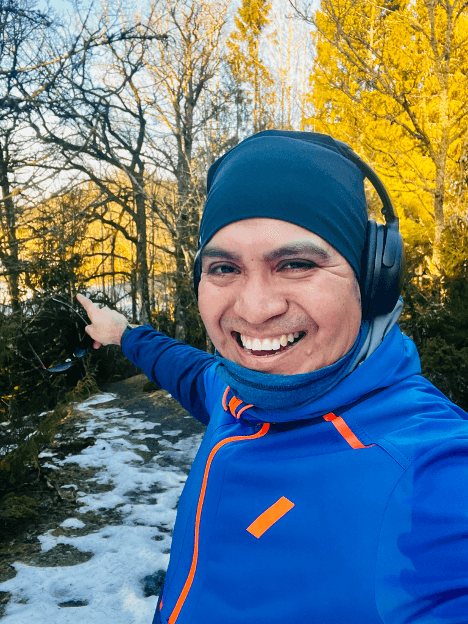
Jay Pacheco – June 2025
No lifestyle reversal would be complete without exercise, and Jay Pacheco’s plan was no exception. As soon as he was physically able after being injured in a car accident caused by a reckless driver, Jay incorporated daily physical and mental activities to rejuvenate his mind and body, boost his gratitude, and improve his insulin sensitivity. Exercise is often called the most underutilized diabetes medicine – when you move your muscles, they soak up glucose from the bloodstream for fuel, independent of insulin. This can dramatically lower blood sugar in the short term, and, over the long term, regular exercise can reverse insulin resistance by reducing body fat and building lean muscle.
Here’s what exercise does for Type 2 diabetes:
•Improves Insulin Sensitivity: During exercise, muscle contractions enable cells to absorb glucose without requiring as much insulin. This effect can last for hours after the workout. Over time, training makes cells more responsive to insulin even at rest. Studies have shown that even a brief period of consistent exercise can yield results. For example, 2 weeks of intensive exercise training have been able to normalize blood sugar in a significant number of prediabetic individuals, essentially halting the progression to full diabetes. Both aerobic exercise (such as brisk walking, cycling, and swimming) and resistance training (including weightlifting or bodyweight exercises) contribute to improved glycemic control.
•Reduces Visceral Fat: Exercise, especially when combined with a healthy diet, preferentially burns fat stored around the abdomen (visceral fat). This is precisely the fat that causes insulin resistance. By shrinking your waistline and internal fat deposits, exercise addresses the root problem of Type 2 diabetes. Research indicates visceral fat is more strongly linked to insulin resistance than subcutaneous fat; thus, losing a few inches off the belly via exercise can translate into significantly better blood sugar levels.
•Lowers Blood Sugar Immediately: It’s well known among people with diabetes that a short walk after a meal can lower the post-meal glucose spike. Jay used this principle daily – after each meal, even if it was just his juice, he would walk or do light yoga. This habit helped keep his blood sugar levels steady. Exercise acts like a “sponge” for blood glucose; one can often see a high reading drop by 20–40 points (mg/dL) after moderate activity.
•Improves Cardiovascular Health: People with Type 2 diabetes are at high risk for heart disease. Exercise strengthens the heart, improves circulation, and lowers blood pressure and cholesterol – critical benefits for overall health and helping to repair the damage that high blood sugar may have caused to blood vessels. In Jay’s case, the accident-related injuries meant he had to start slow with gentle physical therapy exercises. As he healed, he progressed to more intense workouts. This not only reduced his risk of diabetes but also accelerated his injury rehabilitation by improving blood flow to the affected tissues.
• Boosts Mood and Stress Resilience: Exercise has potent psychological effects that extend beyond its physical benefits. It releases endorphins, reduces stress hormones, and can alleviate anxiety and depression, conditions that often accompany and exacerbate diabetes. Jay found that his late morning, midday, or afternoon workouts cleared the mental fog and lethargy that had plagued him when his blood sugar was high. He often remarked that breaking a sweat gave him a sense of accomplishment and control, reinforcing his Stoic-PMA mindset. As little as 30 minutes of exercise a day is associated with better mood and improved regulation of appetite and sleep, all of which help manage diabetes.
In summary, exercise, reading, writing, gratitude, faith, and smiling were non-negotiable components of Jay’s diabetes reversal strategy—and they should be for anyone seeking to improve their metabolic health. The Stoics emphasized the importance of strengthening both one’s body and one’s mind. Musonius Rufus (often called the “Roman Socrates”) advocated physical training to build character and endurance. In the context of diabetes, discipline in exercise builds both metabolic strength and mental toughness.
Start where you are: if you’re sedentary, even 10 minutes of walking daily is a good starting point. Jay’s journey to reclaiming his fitness started with the fundamentals—embracing the power of simple walks and gentle stretching. Each small stroll around his home and the gym ward became a stepping stone towards a vibrant, healthier lifestyle. Every bit counts, and consistency is far more critical than intensity. Over time, you can challenge yourself with progressive goals – maybe walking turns into jogging, light weights become heavier, and 10 minutes becomes 45. The key is to establish a daily ritual, just like taking a medicine – except this medicine is free and has only sound side effects.
Cultivating a Positive Mental Attitude (PMA) for Healing

On the vibrant afternoon of Monday, June 16, 2025, I received an email from my lawyer that sent a jolt of adrenaline through me. The insurance company had decided to deny much of my medical, medicine, and physiotherapy coverage, claiming my injuries weren’t worth enough. But instead of feeling defeated, I embraced a powerful, stoic mindset! After all, I’d faced a similar roadblock in January 2025 when they refused to reimburse my medical bills. That experience became pivotal, teaching me resilience and the art of maintaining a positive outlook. This blog is a thrilling reflection of my journey, showcasing how I’ve tackled adversities head-on with grace and determination. – Jay Pacheco
While diet and exercise target the body, the mind plays a profound role in reversing illness. Jay Pacheco firmly believes that his unwavering Stoic and Positive Mental Attitude (PMA) was the glue that held all the other pieces together. In the darkest days after the car accident, when pain, fear, and the shock of a potential diabetes diagnosis could have overwhelmed him, Jay turned to Stoicism and PMA principles to maintain hope and determination.
What exactly is PMA? Coined and popularized by success thinkers like Napoleon Hill (in Think and Grow Rich and later in Success Through a Positive Mental Attitude), PMA is the philosophy that maintaining an optimistic, solution-oriented mindset attracts positive outcomes. It doesn’t mean ignoring the reality of a situation; instead, it means focusing on possibilities and taking constructive actions, rather than dwelling on obstacles. In health, PMA can significantly influence behavior and even physiological responses to stress.
Here’s how a positive mindset aids in diabetes management and recovery:
•Better Stress Management: A diagnosis (or near-diagnosis) of diabetes can be a stressful experience. Stress raises cortisol, a hormone that increases blood sugar. Chronic stress can thus worsen diabetes control. A positive attitude helps break the vicious cycle of stress and high blood sugar. By facing challenges with optimism, patients experience less of the harmful “fight or flight” response, which causes glucose levels to soar. As an example, Jay practiced reframing thoughts: instead of thinking “Why me? This is terrible,” he would deliberately say, “This is a challenge, and I love challenges. I will come out stronger.” This cognitive reframing is a classic PMA and Stoic strategy that lowers perceived stress. It’s echoed in modern psychology as well – techniques like cognitive-behavioral therapy (CBT) teach individuals to challenge negative thoughts and replace them with more empowering ones.
•Enhanced Motivation and Adherence: Managing diabetes or reversing it requires consistent daily effort, including eating healthy meals, exercising, monitoring, and possibly taking medications or supplements. It’s easy to burn out or feel deprived. A person with a positive outlook is more likely to see these not as burdens, but as investments in a better life. Research confirms that those who view their condition proactively tend to have better self-care behaviors. In an international study, diabetes patients with personal resilience and a positive outlook reported finding “silver linings” in their illness, such as adopting healthier habits and appreciating life more, which kept them motivated. Jay embodied this: he treated his blood glucose monitor and meal plan as tools of empowerment rather than symbols of disease. Each day of perfect readings and disciplined eating was a win to celebrate, not a sacrifice to bemoan.
•Improved Emotional Well-being: Depression and anxiety are common in people with diabetes, and they can create a vicious cycle of poorer physical outcomes. By actively cultivating gratitude and positive thinking, one can enhance one’s emotional well-being, which in turn improves blood sugar control. (For example, when depressed, a person might neglect diet or forget medications, whereas when hopeful, they stick to the plan.) Jay used affirmations and visualization – he visualized his pancreas healing and his blood sugar stabilizing every morning. He affirmed to himself that “Every day, in every way, I am getting healthier and stronger.” This wasn’t mere wishful thinking; it set his intentions and primed him to make the choices that fulfilled those intentions.
•Social Support and Communication: A positive attitude is often contagious and helps strengthen one’s support network. Jay was open with friends and family about his goals to beat the diabetes scare, and his optimism reassured them rather than making them worry. As a result, he received plenty of encouragement – some of his friends joined him in eating the same healthy foods, his brother sent him motivational quotes, and so on. Studies have shown that individuals who cultivate positivity often have better social support, which in turn predicts more favorable outcomes for diabetes. When you approach your healing with a positive attitude, you invite others to cheer you on rather than pity you.
To be clear, PMA is not about “blaming” someone for illness or oversimplifying a severe disease or any other challenge. It’s about empowering the patient or oneself. Napoleon Hill famously said, “Every adversity, every failure, every heartache carries the seed of an equal or greater benefit.” For Jay, the “seed” of benefit in facing the car accident and a diabetes threat was that it forced him to dramatically upgrade his lifestyle and mindset once more – changes that would benefit him long after his blood sugar was regular. He turned his adversity into an advantage by adopting a victor’s mindset rather than a victim’s.
In summary, a Positive Mental Attitude (PMA) is a vital element of the treatment plan. It has no cost but demands consistent practice. Anyone can begin cultivating PMA today by engaging in positive self-talk, consuming uplifting content (such as inspiring podcasts and motivational books), and, most importantly, practicing gratitude (more on that later). PMA doesn’t imply you won’t encounter negative thoughts—rather, it means you intentionally replace them with constructive ones whenever possible.
Stoic Philosophy: Ancient Wisdom for Modern Healing

An ancient Roman statue of a philosopher-emperor serves as a reminder of timeless Stoic wisdom. Stoicism teaches endurance, self-control, and focusing only on what we can control – lessons highly applicable to healing.
While PMA has 20th-century origins, Stoicism is a philosophy over 2,000 years old – yet it dovetailed perfectly with Jay Pacheco’s approach to recovery. Stoicism, founded in ancient Greece and popularized in Rome, teaches the development of self-control and fortitude as a means of overcoming destructive emotions. Its central idea is that while we cannot control external events, we can control our perceptions and actions. This perspective is uncannily relevant to facing an illness: one cannot instantly change the fact of a diagnosis or accident, but one can control how one responds to it.
Jay had studied Stoic philosophy before his accident; afterward, he leaned on it more than ever. Here are some Stoic principles and how they applied to his healing journey (and can apply to yours):
•Focus on What You Can Control: The Stoic Epictetus taught that we should separate the things in our power (our thoughts, choices, actions) from things not in our power (such as our body’s vulnerabilities or others’ opinions). For a patient, this means not wasting energy lamenting, “Why did this happen to me?” or wishing the condition away overnight. Instead, channel that energy into actions – eating right, exercising, taking medicine on time, and learning about the condition. Jay exemplified this by becoming extremely proactive. Rather than wallow in self-pity over his erratic blood sugar readings, he focused on controlling his diet and exercise (which were absolutely in his control). As Marcus Aurelius wrote in Meditations: “You have power over your mind, not outside events. Realize this, and you will find strength.” The moment Jay stopped fearing diabetes as an external threat and started seeing it as an internal challenge he could rise to, he found the strength to act decisively.
•Perception is Key – The Obstacle is the Way: Stoics believe that events are not good or bad; our interpretation of them matters. A famous Stoic exercise is to view adversity as a training opportunity or a challenge to be used for personal growth. Jay reframed his near-diabetes as a wake-up call and a chance to reinvent himself. In a sense, his accident “obstacle” became the way forward to a new life. This echoes Marcus Aurelius’s wisdom: “The impediment to action advances action. What stands in the way becomes the way.” Instead of seeing diabetes as a curse, one can view it as an opportunity to motivate oneself to achieve peak health. It’s a tough shift in mindset, but powerful – it turns fear into determination. Jay often said that had it not been for the fear of high blood sugar, he might never have discovered his optimal diet or the depths of his willpower. In this way, illness can make a person stronger.
•Practicing Endurance and Discipline: Stoic discipline involves doing what is correct and beneficial even when it’s hard, because it is aligned with reason and virtue. Managing diabetes requires discipline: resisting that slice of cake, getting up for a walk when you’d rather watch TV, and checking your blood sugar regularly. It’s not always enjoyable, but it’s meaningful. Stoicism trains us to endure discomfort for the greater good. Stoic philosophers like Seneca even practiced voluntary hardship (fasting or cold baths) to toughen themselves. Jay tapped into this idea by treating his strict diet and exercise routine as virtuous self-discipline, not deprivation. Each time he chose a salad over pizza or went to the gym when he was sore, he framed it as a way to strengthen his character. Over time, what was once difficult became second nature – he built what he calls “unbreakable discipline and daily rituals”. His book emphasizes consistency as a superpower, echoing Epictetus’s teaching that excellence is a habit.
• Emotion Mastery (Not Suppression): Facing a health crisis evokes fear and anxiety. Stoicism doesn’t ask us to be emotionless robots; instead, it teaches us to acknowledge emotions but not be ruled by them. Jay had moments of fear, like awaiting blood test results, but Stoicism helped him observe those feelings without panic. One Stoic technique is negative visualization: imagine the worst-case scenario to appreciate what you have and prepare mentally. Jay imagined life if he fully developed diabetes (insulin shots, complications) – instead of terrifying him, this fueled his resolve to ensure that the future never came to pass. Stoicism also encourages gratitude and presence, which mitigate negative emotions (more on appreciation in a later section).
•Memento Mori – Appreciating Life: “Memento mori” means “remember that you will die.” Far from being morbid, it was a Stoic practice to reflect on mortality, to cherish life, and focus on what truly matters. Jay’s brush with death in the car accident and the prospect of chronic illness gave him a profound sense of perspective. Minor annoyances disappeared; he became intensely grateful for being alive and physically able to recover. This clarity of values made it easier for him to stick to his healing journey – he knew his “why.” He wanted to be alive and well for his family and to fulfill what he felt was a second chance at life. Stoicism, with its frequent reminders of mortality (e.g., Marcus Aurelius wrote “Think of yourself as dead. You have lived your life. Now, take what’s left and live it properly”), helped Jay maintain that perspective without veering into despair. Each day became a gift and an opportunity to practice virtue.
One particular Stoic quote resonated deeply with Jay during his recovery:
“Sickness is a hindrance to the body, but not to your ability to choose, unless that is your choice… Say this to yourself about everything that happens, then you will see such obstacles as hindrances to something else, but not to yourself.” – Epictetus
In other words, illness can affect your body, but doesn’t need to conquer your will. Jay printed this quote and taped it to his bathroom mirror. Every morning, it reminded him that he still controlled his decisions and attitude, no matter how his body felt. Diabetes (or any adversity) could only win if he allowed it to break his spirit, and he flatly refused to give it that power.
By integrating Stoic philosophy, Jay effectively armored his mind. Modern psychology might call much of this cognitive-behavioral techniques or resilience training, but the Stoics figured it out long ago. Their wisdom is timeless: it teaches us to face reality head-on, prepare for the worst, appreciate what we have, and commit fully to doing what is within our power.
For someone looking to emulate Jay’s success, reading Stoic texts can be a great adjunct to medical treatment. Marcus Aurelius’s Meditations, Seneca’s letters, and Epictetus’s Enchiridion are all accessible and often eerily relevant to anyone dealing with pain or hardship. Jay’s 90-Day Stoic and PMA Challenge program is built around daily Stoic readings and exercises to train this mental muscle during recovery. It’s about creating an inner fortress of calm and resolve to remain steady even if the winds of fortune (or blood sugar) fluctuate.
Becoming the Observer, Investigator, and Disciplined Social Being

Healing from a complex condition like Type 2 diabetes—or, in Jay’s case, preventing it by the seventh month—is as much a psychological journey as it is a physical one. When guiding others, Jay frequently simplifies the necessary mindset into three key archetypes or “modes” to adopt: the Observer, the Investigator, and the Disciplined Social Being. Let’s explore what each of these means and why they are crucial.
1. The Observer – Cultivating Mindfulness and Self-Awareness:
Being an observer involves stepping back and watching yourself-your thoughts, emotions, habits, behaviors, faith, beliefs, and even physical sensations—with a level of objectivity. This idea is rooted in Stoicism, which encourages observing one’s impressions before reacting, and it is also reflected in modern mindfulness meditation practices. For someone managing health issues, the Observer mode offers several benefits:
•You learn to listen to your body’s signals without panic or denial. For instance, if your blood sugar is spiking, instead of immediately freaking out or conversely, ignoring it, you calmly note it and think, “Interesting, my body is telling me something. What did I eat or do that might have caused this?” Jay practiced this by keeping a journal of his daily readings and symptoms. He treated it as information rather than judging himself for a bad number.
•You detach from negative thoughts (“This is hopeless” or “I can’t do this”) and recognize them as just that – thoughts, not facts. The Observer in you can notice a wave of craving or discouragement pass by, but choose not to ride that wave. This skill is crucial to not giving up on lifestyle changes. When Jay felt urges to break his diet, he would note the craving sensation, take a few deep breaths, and maybe drink water or a vegetable smoothie, watching it dissipate. Developing a bit of inner distance from one’s impulses buys you time to make the right decision.
•The Observer also fosters patience and emotional balance. Blood sugar control (and weight loss) can involve frustrating plateaus. You’ll be stressed if you emotionally react to every daily up and down. By observing rather than getting immediately emotionally entangled, you conserve energy and stay focused. Jay’s morning and evening Stoic reading and meditation set him up to be more of an Observer throughout the day. If an adverse event occurred (say, a higher reading or a setback in exercise due to pain), he’d recall Stoic teachings to pause and remain level-headed.
Practically, to cultivate the Observer in you, you can use mindfulness techniques: for example, start or end each day with 5–10 minutes of quiet breathing and note whatever thoughts come, labeling them without judgment (“thinking about work,” “feeling fear,” etc.). Over time, this carries over into real-time awareness during the day. The observer mindset is like having an internal coach that keeps you grounded and focused.
2. The Investigator – Embracing Curiosity and Science:
In any quest to reverse a disease, knowledge is power, yet action is best, says Jay Pacheco. Adopting an Investigator’s mindset means you become a bit of a scientist about your health. Jay did this instinctively; he dove into research papers, read books on nutrition and diabetes (such as The Diabetes Code and Dr. Bernstein’s Diabetes Solution), and treated his body as an experiment he could optimize.
Key aspects of the Investigator role include:
•Tracking and Data Gathering: You can’t improve what you don’t measure. Jay diligently tracked his blood glucose multiple times a day, logged his food intake, exercise, sleep, and even mood. By analyzing these logs, patterns emerged (e.g., certain foods caused spikes in blood sugar levels; poor sleep led to higher fasting glucose levels, etc.). In the modern era, numerous tools are available to help – from continuous glucose monitors to diet-tracking apps. Could you take advantage of them? Investigators view this process as fascinating rather than burdensome: it’s like solving a puzzle where your health metrics give clues.
• Research and Critical Thinking: There is a wealth of information (and misinformation) available about diabetes. Being an Investigator means proactively learning from credible sources, such as scientific studies and expert guidelines, and being critical about fad cures. Jay would verify any new idea he came across by looking for supporting science. For example, when he heard about cinnamon supplements possibly improving blood sugar, he looked up research and found mixed results (some small effect, but not a magic bullet). This level-headed approach saved him from chasing gimmicks; instead, he focused on well-supported methods. It’s fine not to be a medical expert, but cultivate a sense of curiosity. Ask your doctors questions. Read both sides of dietary debates. By being informed, you become the director of your recovery, not a passive patient.
• Problem-Solving Attitude: An investigator’s mindset frames challenges as problems to be solved, rather than insurmountable walls. If your blood sugar isn’t coming down despite efforts, don’t give up – investigate further. Perhaps you need to adjust your diet (are there hidden carbs you’ve overlooked?), review your medications, or assess your stress levels. Jay, for example, plateaued after an initial drop in glucose. Instead of despairing, he dug deeper and realized that an inflammation flare (due to his injuries) might be elevating his numbers. He added more anti-inflammatory foods (turmeric, omega-3s) and slept extra, improving his levels. That investigative tinkering is sometimes necessary; treat it like a scientific experiment where you adjust one variable at a time and observe results.
In summary, being an Investigator gives you a sense of agency. It’s the opposite of a passive approach, where you unthinkingly follow orders or resign to fate. It turns the journey into a meaningful project. Many people who successfully reverse diabetes find that they become passionate about nutrition and fitness along the way – the investigative spirit, once kindled, continues to drive a healthy lifestyle. As you learn, you might even become a source of knowledge for others (as Jay has, now teaching what he knew).
3. The Disciplined Social Being – Building Habits and Seeking Support:
Humans are social creatures, and our social environment often shapes our habits. Healing doesn’t happen in a vacuum. Jay recognized two components here – discipline (habit formation) and social support/community– as crucial for sustained success.
•Unbreakable Routines: “disciplined social being” first underscores discipline. Once you’ve decided on the right actions (through observation and investigation), you must consistently repeat them to get results. Habits make this easier by automating good behaviors. Jay established specific routines, such as brushing his teeth with a tall glass of water first thing in the morning, drinking red and green juice (made with beetroot, green apple, and lime) daily in the morning and at lunch, walking after dinner, and reading Stoicism before bed. By scheduling and ritualizing these healthful actions, he reduced decision fatigue. He didn’t wake up thinking “Will I exercise today?” – it was already decided that he would train between 7:30 and 9 AM, or as his body permitted, without excruciating headaches from the car accident, just like a soldier following orders. In the early days, he even laid out his workout clothes and prepared meal ingredients the night before to reduce friction. Behavioral science shows that such systems and cues significantly improve adherence. Start small with habits and tie them to existing routines (e.g., habit stacking: “After I finish breakfast, I will take a 10-minute walk.”). Over time, these disciplined practices compound to enormous effect.
•Accountability and Social Connection: The “social being” aspect means not doing it alone. Share your goals with loved ones and involve them whenever possible. Jay’s mindset became his accountability partner, and he encouraged others who didn’t even notice his pain – colleagues from work or gym colleagues – they were cheered up by Jay’s successes; instead, he cheered them up. Jay gently pushed him if he ever wavered. (If I write books on personal development and am lying in bed with pain, there is no point in writing about personal development.) He also researched online communities, including diabetes forums and a Facebook group of people participating in a “30-day, 60-day, or 90-day health challenge, exercise, personal development, or something similar.” Being part of a tribe with similar goals can provide inspiration, tips, and a sense of camaraderie. Humans thrive on connection; studies have shown that peer support in diabetes (group classes, support groups) leads to better outcomes, as people exchange strategies and emotionally support each other. Consider a virtual buddy or group if you don’t have in-person support. Even just regularly updating a friend on your progress can keep you honest. Jay mentions in his book that one reason he created the 90-Day Stoic and PMA Challenge as a challenge format was to build himself, to test himself, to see how his body, mind, metabolism, stoicism and PMA work in actual action and to striver who kept his body, and mind motivated each day of the program, and Jay still uses dayly, as a habit.
• Being Socially Active and Positive: Another key aspect is maintaining an active social life and avoiding isolation due to your condition. Diabetes can sometimes make people feel ashamed or withdrawn (e.g., avoiding restaurants or gatherings out of diet concerns). But isolation can breed depression, which is counterproductive. Jay found ways to stay social by inviting friends over for healthy, home-cooked dinners instead of eating out, or suggesting activities like hikes instead of bar meetups. He educated his friends about his needs, turning them into something positive (“I’m on a mission to get super healthy, I’d love your support!”). True friends will understand and likely admire your dedication. By continuing to engage socially, just on healthier terms, you reinforce that your illness does not define you, and you have a life beyond it.
In essence, Observer, Investigator, and Disciplined Social Being are three personas that, when combined, create a powerful healing personality. Jay credits these as the psychological framework that underpinned his recovery:
•The Observer kept him calm and mindful.
•The Investigator kept him informed and adaptive.
•The Disciplined Social Being kept him consistent and supported.
Anyone embarking on a similar journey might reflect on these and ask: Am I taking time to observe and manage my thoughts? Am I actively learning and tweaking my plan? Have I established routines and supportive relationships to help me stay on track? If yes, you’ve stacked the deck in your favor.
Jay Pacheco’s Recovery Regimen: Discipline, Juice, and PMA in Action
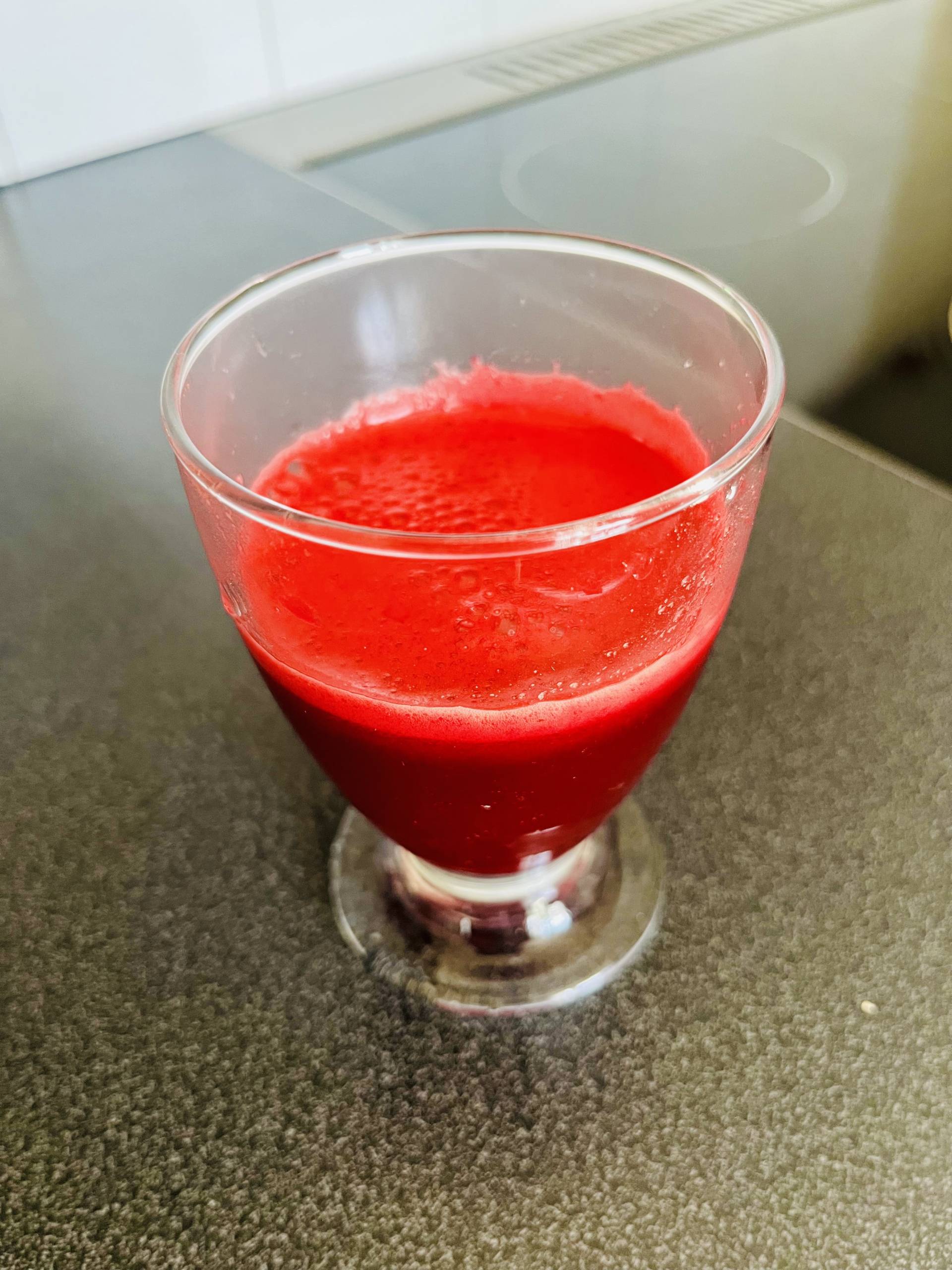
Now, let’s zoom in on Jay Pacheco’s recovery regimen – his concrete steps and how they embodied the principles we discussed. After his accident and the eye-opening lab results that showed diabetic-level blood sugar, Jay essentially went into “emergency mode” to heal his body. Here’s a detailed look:
•Dietary Overhaul – “Eating to Live, not Living to Eat”: Before the accident, Jay admits he had slipped into some poor eating habits (he loved fast food and sweets, which likely contributed to his blood sugar issues when physical trauma struck). Following the accident, he made a 180-degree shift in his diet. He immediately cut out all processed sugars and junk food. For the first few weeks, he adopted what was essentially a quasi-detox diet: mostly plant-based, lots of liquids and soups for easy digestion (also helpful because pain medications had upset his stomach). During this phase, he developed his signature juice regimen, popularly known as “Jay’s Juice” by his family and friends (pictured above). This juice, made from beets, carrots, apples, ginger, and lemon, became a daily breakfast that he credits with replenishing his body with essential nutrients. (We will analyze the science of this juice in the next section.) He would follow that with small, balanced meals later in the day: lean protein (such as fish or chicken breast), significant portions of leafy and cruciferous vegetables, some healthy fats like avocado or olive oil, and occasionally a small portion of whole grains or legumes. His total calorie intake was modest, likely around 1,200–1,500 calories in the early weeks – enough to support healing but low enough to induce rapid weight loss. Indeed, weight melted off him: in one month, he lost about 20 pounds (going from roughly 172 pounds to 159 – 78 kg to 72). This weight loss was a significant factor in reducing his blood sugar levels. As an Investigator, he diligently tracked his calories and macronutrients, and as a Stoic-in-training, he practiced temperance at the table, eating until he was just satisfied, not stuffed.
•Hydration and Herbal Aids: Jay drank plenty of water (at least 3 liters a day) – an often overlooked but vital habit, since dehydration can concentrate blood sugar and impair healing. He included herbal teas such as green tea (for its antioxidants and slight metabolism boost) and chamomile at night (to relax and improve sleep). He also occasionally added fenugreek tea and cinnamon to his smoothies after reading that they might help regulate blood sugar levels. While these herbs are not magic, they aligned with his idea of using nature’s pharmacy to support his journey.
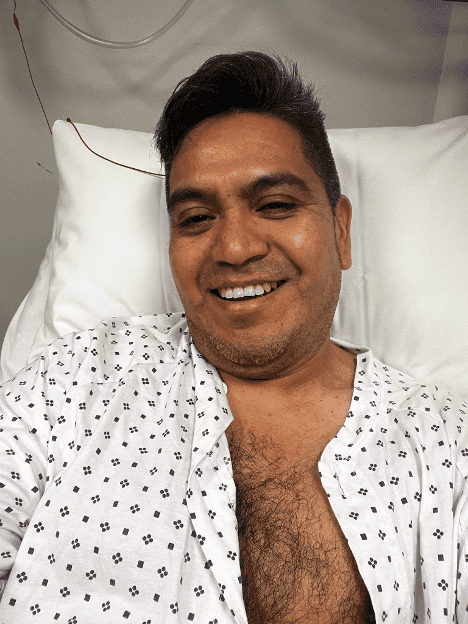
•Consistent Exercise (Scaled to Ability): As soon as Jay could move without causing damage to his injuries, he started some form of exercise. Initially, this was gentle: short walks in the hospital corridor, breathing exercises, and stretching. But he increased it steadily. Within two weeks of the accident, while still with much pain, he was doing 15-minute slow walks thrice a day (without assistance). By the end of the first month, he was doing light bodyweight exercises and taking longer 30-minute walks. A few months later, he had fully recovered from the accident and was jogging and even hitting the gym to do weightlifting. In the acute diabetes-reversal phase, his routine was roughly as follows: a morning cardio session (a fasted walk or stationary bike for 20-30 minutes) to burn off glucose, and an evening session of light resistance training or yoga. This twice-daily approach kept his metabolism active throughout the day. He also integrated “NEAT” (non-exercise activity thermogenesis) – staying active in daily life: he’d stand and pace while on phone calls, do household chores for movement, etc. This high level of physical activity, on top of a calorie-controlled diet, created a large caloric deficit, which is why he lost weight so fast and shocked his doctors with normalized glucose in weeks. Exercise was also a cornerstone of his mental routine – he used it as a form of moving meditation, repeating affirmations during walks, such as “Every step I take, I walk away from illness.”
•Monitoring and Medication: Jay’s doctor initially considered starting him on metformin (a common first-line diabetes medication). However, given Jay’s determination to try lifestyle changes first (and since he was just on the borderline of diagnosis), they mutually agreed to delay medication and see what lifestyle changes could do. This put even more responsibility on Jay to succeed. He obsessively monitored his blood sugar at home, upon waking (fasting), before and after each meal, and at bedtime. It wasn’t necessary to use the 6-8 finger-pricks a day, which might sound extreme, but it could have provided invaluable feedback. Instead, Jay uses the beetroot juice to measure his energy, and it showed him, for instance, that his body responded very well to his morning juice + walk (his blood glucose would drop into the 90s mg/dL after these, a significant number). 2-3 times a blood test at the doctor’s office, which also showed if any meal spiked his levels, so he could adjust the next day. Within two weeks, his readings were mainly within the normal range (fasting glucose initially dropped from ~130 mg/dL to ~100, and post-meal peaks from over 200 to under 140). Seeing these concrete improvements further fueled his PMA – he knew he was on the right track. Note: Jay’s case was unique in that he managed without medication; many people will need meds initially to stay safe. There’s no shame in using medicine as a tool while still working on lifestyle changes. Close monitoring is crucial so that you and your doctor can gauge progress and adjust your treatment accordingly. Jay essentially became the founder of his health, with his doctor as an advising partner.
•Mental and Spiritual Practices: Jay dedicated daily time to mental and spiritual practices. He read from Stoic philosophers each morning – often journaling a few lines about how the day’s passage applied to his situation. This was part of the 90-Day Stoic and PMA Challenge that he wrote for himself and later turned into a book. In parallel, he practiced gratitude daily, noting things he was thankful for (even something as simple as “I’m grateful for breathing, for smiling, for a delicious, healthy lunch” or “for the support of my brother and father today”). He also used prayer and visualization, not necessarily in a religious sense, but in a spiritual sense. For example, he would visualize white healing light flowing through his pancreas and liver at night, “cleansing” the fat and toxicity. Though not scientific per se, this imagery gave him a sense of actively engaging his mind in healing his body. Interestingly, visualization is used by athletes and performers to improve outcomes, so why not use it for healing? Jay also maintained a Positive Input Diet: he avoided negative news and instead watched inspirational documentaries (such as ones on people reversing chronic illnesses or biographies of survivors). He took courses on metabolism and neuroscience, listened to uplifting music, audiobooks, and podcasts. He essentially created a bubble of positivity around him to incubate his new lifestyle.
•Gradual Reintegration and Balance: After about 8 weeks of intensive focus, Jay had another round of lab tests. His A1c (a measure of 3-month blood sugar) had decreased from the danger zone to near-normal levels; his fasting glucose was normal; his cholesterol and blood pressure had improved; and he felt better than he had in years. At this point, his doctor officially said he did not have diabetes (and no longer prediabetic either). With this victory, Jay transitioned from “reversal” mode to “maintenance and growth” mode. He slightly relaxed his diet to a sustainable level (adding more variety, including some fruits, occasional whole grains, etc., but still no junk or sugary desserts at all). He kept exercising daily but also allowed a rest day when needed. He found a new healthy balance, which he has maintained ever since. His day-to-day life now is a testament to how a crisis can forge new habits: he still juices, trains, and does his Stoic and gratitude practices daily. The difference is, now it’s second nature and joyful for him, not a “boot camp” feeling. Jay often emphasizes that anyone can do what he did, but you might not need or want to go as extreme – the key is consistency, listening to your body, and having a purpose to live a healthy lifestyle.
Jay’s story serves as a template: intense commitment upfront can lead to dramatic turnarounds, which can then be sustained with moderate effort. It’s like a rocket launch—lots of energy to escape the gravity of illness, then a smoother coasting trajectory to stay in orbit of good health. Jay’s guiding lights were gratitude, faith, Stoicism, and PMA, which kept his mind as strong as his body.
Before moving on, one more note on Jay’s perspective: He considers the accident and health scare the best thing that ever happened to him. This might sound shocking, but in hindsight, he views it as the catalyst that led him to optimize his life. This aligns with countless anecdotes of survivors who say their illness gave them a new purpose. It’s a hard-won wisdom – perhaps an esoteric insight – that sometimes adversity is a form of awakening. In Stoic terms, it’s using one’s fate (amor fati) as the raw material to craft virtue and meaning.
Next, let’s dissect one piece of Jay’s regimen that has garnered curiosity: that vibrant juice he drank each morning. Was it just a placebo, or is there science behind those ingredients aiding blood sugar control? Gather around for a brief overview of nutritional biochemistry!
The Science Behind Jay’s Juice Regimen (Beetroot, Carrot, Apple, Ginger, Lemon)
Jay’s signature juice: a bright blend of beetroot, carrots, apple, ginger, and lemon. This nutrient-dense drink contains antioxidants, nitrates, fiber (if unstrained), and anti-inflammatory compounds that support metabolic health.
One of the most intriguing aspects of Jay Pacheco’s approach was his daily juice. At first glance, advising a person at risk of diabetes to drink a fruit-and-veggie juice might raise eyebrows – juices can be high in natural sugars and low in fiber, a combination that typically spikes blood glucose. However, not all juices are equal, and Jay carefully crafted his to maximize benefits and minimize glycemic impact. Let’s break down the ingredients and the science:
1. Beetroot: Beets are a nutrient powerhouse and a secret weapon for metabolic health. They are rich in dietary nitrates, which the body converts to nitric oxide. Nitric oxide helps dilate blood vessels, improving circulation and possibly reducing blood pressure. For someone recovering from an injury and engaging in exercise, improved blood flow is a significant benefit. But what about blood sugar? Interestingly, beets also contain phytochemicals, such as betalains and polyphenols, that may help modulate glucose levels. A 2014 study found that approximately 1/2 cup (225 ml) of beetroot juice resulted in a significant suppression of post-meal blood sugar levels in healthy individuals. The mechanism isn’t obvious – it might be due to slowed absorption or improved insulin sensitivity – but the effect was notable. Another review found that regular beet consumption could help reduce insulin resistance in peripheral tissues. Beets also provide antioxidants (helping reduce oxidative stress linked to diabetes complications) and a bit of fiber if not completely strained. In Jay’s case, he often blended (not just juiced) the beets, keeping some pulp in, which increased fiber content. Also, the amount of beet in one glass was moderate (maybe half a medium beet), contributing natural sugars and those beneficial compounds. The result was a mild sweet earthiness in taste, but a surprisingly gentle effect on his blood sugar, possibly even positive, as some research suggests beet juice can improve glucose tolerance.
2. Carrot: Carrots add a touch of sweetness and are rich in beta-carotene (the precursor to vitamin A) and fiber. They have a medium glycemic index, meaning carrots (especially raw) don’t spike blood sugar as sharply as some starchy foods. Carrot juice, however, without fiber, can be higher on the glycemic index – so Jay again ensured not to over-sieve it, leaving some fiber. Carrots also contain antioxidants such as lutein and alpha-carotene, as well as minerals like potassium. There’s evidence from animal studies that carrot juice can have metabolic benefits. For example, a 2021 study on rodents found that carrot juice consumption reversed metabolic abnormalities induced by a high-fructose diet and decreased body weight in diabetic rats. This suggests that something in carrots (perhaps their antioxidants) may aid metabolism. For humans, the most significant advantage is likely that carrots provide sweetness to the juice without a huge sugar load (a cup of carrots has about 6 grams of sugar, much less than a cup of, say, orange juice). Additionally, you’re better off getting vitamins and fiber from a natural source instead of a processed carb. The carrot also contributes to the pleasing flavor of the juice, making it easier for Jay to drink this daily.
3. Apple: An apple a day keeps the doctor away – and may also help manage blood sugar. Jay included one green apple in the juice primarily for palatability (the tart sweetness balances the earthiness of beet and ginger’s heat). Apples contain sugar (fructose), significant fiber (pectin), and polyphenols in the peel. Apple fiber, especially when consumed as whole or pureed fruit, can slow down the absorption of sugars. Apple polyphenols have been studied for their anti-diabetic effects, as they may inhibit carbohydrate-digesting enzymes and enhance insulin sensitivity. One lab study found that apple polyphenol extract could increase glucose uptake in muscle cells, suggesting a potential benefit for blood sugar control. Another interesting tidbit: Apple peel compounds, such as quercetin, may reduce the glycemic impact of a meal by partially blocking starch absorption. Research has shown that apple peel extracts can inhibit alpha-glucosidase (an enzyme that breaks down carbs), similar to how the diabetes drug acarbose works. This doesn’t mean an apple is as potent as medication, but it supports the idea that apples are a wise choice for those with concerns about sugar. Jay usually used a Granny Smith apple, which is lower in sugar than red varieties. This contributed about 10-12 grams of natural sugar to the juice, but combined with fiber and the matrix of the other ingredients, the overall glycemic load remained moderate. Plus, the apple made the juice tasty, which meant he’d keep drinking this health tonic daily.
4. Ginger: Ginger is a spice with ancient medicinal uses and modern science-backed benefits for metabolism. It has potent anti-inflammatory and antioxidant effects, which are valuable since Type 2 diabetes is associated with chronic inflammation. More specifically, studies have demonstrated that ginger can enhance markers of blood sugar control. For instance, a systematic review found that consuming approximately 1.6 to 3 grams of ginger powder daily for 8–12 weeks significantly reduced fasting blood sugar and HbA1c levels in individuals with Type 2 diabetes. Ginger is believed to improve insulin sensitivity and glucose uptake in cells and may also aid in weight management by suppressing appetite. In Jay’s juice, a generous thumb-sized knob of fresh ginger root added a zesty kick – and likely helped his digestion and insulin action. Ginger also modestly lowers blood pressure and cholesterol, offering cardiovascular protection. Another bonus is that ginger can aid in relieving nausea and joint pain, which Jay appreciated while recovering from injuries. He noted that on days he drank the ginger-rich juice, he felt fewer aches – whether the effect was placebo or not, ginger’s known anti-inflammatory properties likely played a role. Importantly, ginger has a negligible glycemic impact (it’s deficient in carbs in the small amounts used), so it only contributes benefits, not glucose. The only caution with ginger might be for those on blood-thinning medications, as ginger can have mild blood-thinning effects, but this was not an issue for Jay.
5. Lemon: Last but not least, lemon was the final touch of Jay’s blend. He used the juice of one whole lemon (lime) (sometimes throwing in a bit of the rind zest too). Lemons are very low in sugar and high in vitamin C and citric acid. They add a fresh flavor that brightens the juice, and they come with their own set of perks:
•Vitamin C: Diabetics often have lower levels of vitamin C, an antioxidant that, among other things, helps improve endothelial function (blood vessel health). Some studies suggest that vitamin C supplementation can modestly improve fasting blood sugar and blood pressure in people with Type 2 diabetes, likely by reducing oxidative stress.
•Citric Acid and pH: The acidity of lemon can slow stomach emptying and thus slow the absorption of carbohydrates from a meal (similar to how vinegar works). A more gradual absorption means a gentler rise in blood sugar. This is why having lemon water or vinegar with meals is a standard tip to help regulate glucose levels. In Jay’s juice, lemon acid likely helped moderate the overall glycemic effect.
•Detox and Liver Support: While “detox” is a trendy word, lemons stimulate bile production in the liver and support hydration, aiding the body’s natural detox processes. Given that a fatty liver contributes to Type 2 diabetes, anything that supports liver function (even mildly) is welcome. At the very least, lemon made the juice more refreshing and hydrating.
• Electrolytes: Lemon juice contains potassium and small amounts of other electrolytes, which are beneficial for heart and muscle function, especially when following a lower-calorie regimen or sweating during exercise.
When combined, these five ingredients create a synergistic elixir. The beverage is nutrient-dense (packed with vitamins A, C, potassium, folate, etc.), anti-inflammatory, and provides a dose of natural nitrates and polyphenols that support metabolic health. Its sugar content is relatively low (~15-20g natural sugars per serving) compared to typical fruit juices, and because Jay often kept pulp in, it retained some fiber. He frequently drinks it first thing in the morning and has found that it does not significantly spike his blood sugar. Sometimes his glucose levels even drop a bit after the juice, likely because it triggers insulin and improves his uptake (and/or he is active shortly after).
Of course, individual responses can vary. If someone with diabetes wants to try a similar juice, monitoring their blood sugar response is wise. The carrot and apple raise blood sugar levels too high if taken as juice instead of whole. In that case, one could modify the recipe (e.g., adding more vegetables, reducing the amount of fruit) or opt for a smaller portion. Alternatively, one can blend instead of juicing to keep all the fiber, making a smoothie (though the texture will be thicker).
The psychological benefit of the juice is also worth mentioning: it became a ritual that Jay enjoyed. Each morning’s vibrant color and taste made him feel he was doing something tangible and positive for his health – a “win” at the start of the day. Rituals like this can have a powerful placebo effect (in the best way) by putting you in the right mindset to make healthy choices the rest of the day. It’s akin to starting your day with a meditation or a cold shower – it sets the tone.
In summary, Jay’s juice is not a magical diabetes cure by itself, but it’s a great supportive strategy. It exemplifies the use of food as medicine, harnessing nature’s compounds to aid the healing process. A glass of beet-carrot-apple-ginger-lemon juice delivers a complex of benefits: blood vessel dilation, antioxidants, anti-inflammatory action, potential glucose modulation, and digestive aid – all in one. For Jay, it was a cornerstone of his mornings, and even after recovery, he drinks it often because of the energy and vitality he feels it provides.
If you’re inspired to try it, here’s a simplified recipe: Juice (or blend) two to three small beets, two carrots, one green apple, a 1-inch piece of fresh ginger, and one whole lime or lemon. Dilute with some water if needed. Enjoy fresh. (Optionally, add a pinch of cinnamon or turmeric for extra anti-diabetic punch—Jay sometimes did.) Always pair significant dietary changes with monitoring to see how your body responds.
Gratitude, Mindset, and Daily Rituals in Recovery
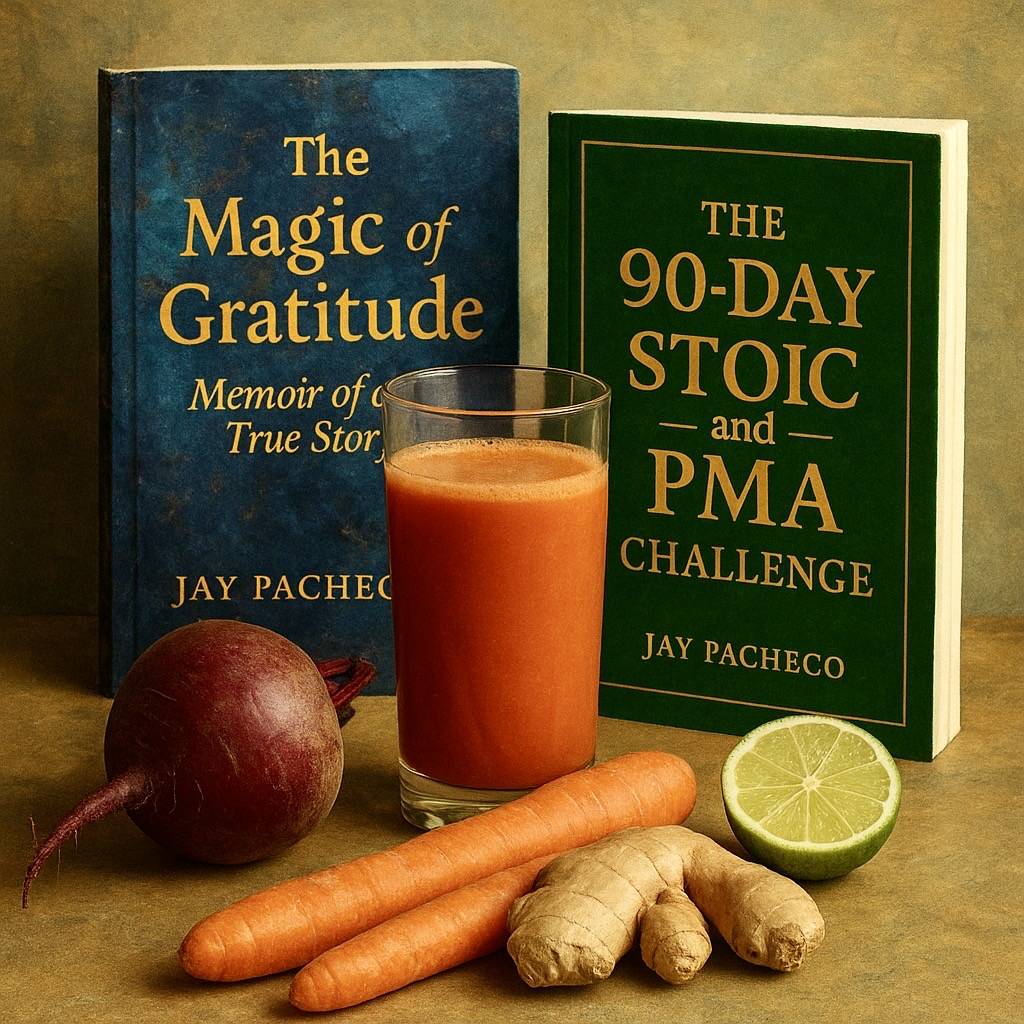
Throughout this exploration, a recurring theme has been the impact of mindset and daily habits. We’ve discussed PMA and Stoicism in depth; now let’s explore two specific aspects of mindset that greatly aided Jay – gratitude and daily rituals – and how they contribute to healing.
The Attitude of Gratitude: It may sound clichéd, but counting your blessings can have a profoundly positive impact on your health and recovery. Gratitude is the recognition and appreciation of the good in life, even amid difficulties. How does this help someone with a condition like diabetes?
1. Reduces Stress and Boosts Mood: It’s nearly impossible to feel anxious and grateful simultaneously. Gratitude shifts your focus from what’s wrong to what’s right. This doesn’t cure an illness, but it creates a positive emotional state that is more conducive to healing. Research has consistently shown that gratitude is associated with lower stress and depression, as well as higher levels of happiness. When Jay was lying in a hospital bed with fractures and doctors not knowing about his wild blood sugar swings, it would have been easy to feel hopeless. Instead, he actively listed things he was thankful for: “I survived the crash,” “I have access to doctors and healthy food,” “My family and friends are here supporting me,” etc. This made him feel calmer and more optimistic, and likely reduced the physiological stress responses (lower cortisol levels, etc.) that could hinder his recovery. The Mayo Clinic notes that grateful individuals often experience improved sleep, mood, and immunity – all factors that can indirectly enhance glycemic control and accelerate healing.
2. Encourages Positive Health Behaviors: A person who feels grateful for their body and the opportunity to improve tends to take better care of it. Gratitude can enhance self-care. For instance, if you shift from “I hate my body for getting diabetes” to “I’m grateful my body responds when I treat it well,” you’re more likely to treat it well! Jay’s gratitude practice helped him appreciate small victories, such as a slight drop in blood sugar or a day with more energy. Celebrating these kept him engaged and motivated to continue his regimen. In a way, gratitude provides positive reinforcement: by acknowledging the progress and help you have, you reinforce the behaviors that got you there.
3. Strengthens Relationships: Expressing gratitude to those who help you (family, healthcare providers) strengthens your support network. Jay made a point to thank his nurses, friends, doctors, and family members frequently and genuinely. This created a virtuous cycle – people wanted to help him even more because they felt appreciated. A strong, willing support system can distinguish between success and failure for someone recovering. Gratitude, as simple as thanking someone or acknowledging their efforts, nurtures those bonds. It also works in group settings – for example, participants in group health programs who practice gratitude tend to encourage one another more, creating a positive group dynamic.
4.Spiritual and Existential Healing: Illness often triggers existential questions – “Why is this happening to me?” Gratitude can be a spiritual practice that provides a sense of peace or meaning. Some people feel gratitude for a higher power, while others feel gratitude for fate or the universe; this can alleviate inner turmoil. Jay, for example, believed “God (or the Universe) gave me a second chance, and I’m truly grateful – I will honor this second chance by living right.” This perspective gave him strength in challenging moments, making him feel that he was part of a bigger plan or that some good would come out of his struggle (indeed, it did, as he’s now helping others).
To cultivate gratitude, Jay keeps a gratitude journal. He writes down three things he was thankful for that day, each evening. On bad days, it might be as basic as “I’m alive” or “I have a warm bed.” On good days, the list overflowed. Psychologists widely recommend this habit – it trains your brain to scan for positives. Over time, this can rewire your brain to be more optimistic (neuroscience studies show increased neural sensitivity to gratitude with practice ). If journaling isn’t your style, even mentally recounting blessings or sharing them verbally with a friend or partner can work. The key is consistency.
Daily Rituals and Routines: Humans are creatures of habit. When recovering health, rituals and routines provide structure and predictability in a time that can feel chaotic. We’ve touched on some of Jay’s rituals, including morning juice, daily walks, and evening readings. Let’s explore why having daily rituals is so powerful:
•Automating Success: A well-crafted routine eliminates the need for willpower in each moment. For example, if you ritualize that at 7 am you do a workout, eventually 7 am arrives, and you go, no internal debate. This is crucial because willpower is a limited resource, and decision fatigue is a real phenomenon. By pre-planning healthy actions and integrating them into your daily routine, you make it easier to do the right thing. Jay initially structured his day like a timetable, with specific times allocated for meals, exercise, relaxation, and sleep. This military-like precision might sound rigid, but it was temporary training wheels. It ensured he didn’t skip things or drift back to old habits in moments of weakness. As his health improved and habits solidified, he became more flexible, but the core routine remained because it made life simpler and more fulfilling.
• Building Holistic Health Rituals: Not all rituals are about diet and exercise. Jay also incorporated a morning mindfulness ritual (stretching and breathing exercises while setting an intention for the day) and a night-time wind-down ritual (no screens after 9 pm, a cup of chamomile tea, and reading something uplifting). These helped improve his sleep quality tremendously. Good sleep, in turn, is vital for blood sugar control (poor sleep can induce insulin resistance). So, his seemingly “soft” ritual of nightly tea and reading concretely affected his physical health via better sleep. Another ritual he had was spending time outdoors each afternoon (sunlight for vitamin D and mood, fresh air for stress relief). Rituals that address mental, emotional, and spiritual needs are just as important as physical ones. They work synergistically – a calm, centered mind makes it easier to eat right; a well-nourished body makes it easier to feel calm, and so on.
•Making Change Enjoyable: Routines can be imbued with personal meaning or pleasure to make them enjoyable rather than a chore. For Jay, his morning juice ritual was almost meditative – washing and chopping the veggies, hearing the juicer hum, and then sipping the vibrant result while watching the sunrise gave him joy. It wasn’t just “drinking a health concoction,” it was a cherished part of his day. Same with his nightly reading – he’d light a scented candle, get cozy, and genuinely look forward to that quiet time. By crafting rituals that you love, you ensure you’ll keep doing them. If you hate jogging on a treadmill, maybe a ritual sunset walk in the park is more enjoyable; if cooking a healthy dinner feels daunting, make it a family affair with music playing. The idea is to associate positive emotions with healthy behaviors through ritualization and personalization.
• Anchoring and Progress Tracking: A routine allows you to track progress more clearly. If you check your fasting glucose every morning as a ritual, you generate a data set that shows your trend. If Wednesday is always weigh-in day, you can compare your weight from week to week reliably. Jay found comfort in the regularity of his schedule – it gave a sense of control and normalcy during a turbulent time. Many trauma survivors find that having a routine helps regain a sense of security. In chronic illness management, routine medication times, meal times, and exercise times all help avoid issues like missed doses and episodes of hypo/hyperglycemia due to irregular eating habits.
Bringing gratitude and rituals together, one could say Jay’s overarching ritual was a morning and evening reflection. In the morning, he often recited a quote or affirmation (sometimes in front of the mirror, a PMA technique to reinforce his identity): “I am strong, I am disciplined, I’m alive, I’m healing more each day.” In the evening, he reflected on what went well (gratitude) and what could be improved (but without self-criticism – instead, curiosity for tomorrow). This intentional bookending of the day with mindfulness kept him aligned day after day.
Adopting even one or two small rituals can make a difference for readers. For instance:
• Start the day with a large glass of water and a moment of gratitude (before reaching for your phone).
•Have a fixed time for movement each day, like a walk at lunch.
•Wind down with herbal tea instead of late-night snacks or screen time.
•Keep a diabetes log as a nightly ritual, noting your day’s meals, meds, readings, and feelings.
Over time, these become second nature and form the fabric of a healthy lifestyle.
In conclusion of this section, gratitude and daily rituals were like the secret sauce in Jay’s recovery recipe. They created a positive feedback loop: gratitude fostered a resilient mindset, which made him stick to his rituals, and the success from those rituals gave him more to be grateful for. It’s a loop anyone can initiate. As the saying goes (often attributed to various sources), “Watch your thoughts, they become your words; watch your words, they become your actions; watch your actions, they become your habits; watch your habits, they become your character; watch your character, for it becomes your destiny.” Jay’s journey exemplifies this – starting with grateful, determined thoughts and ending in a destiny of restored health and purpose.
Other Real-Life Examples and Testimonials

Jay Pacheco’s story is inspiring, but it’s not an isolated case. Many others have defied the odds of Type 2 diabetes through lifestyle change, often surprising their doctors. Let’s look briefly at a couple of notable examples and what we can learn from them:
•Eric Adams – From Diabetic to Diabetes Crusader: We mentioned the story of Eric Adams, now the Mayor of New York City. In 2016, as Brooklyn Borough President, Eric Adams was diagnosed with Type 2 diabetes so advanced it was already affecting his vision (he had lost sight in one eye and was losing it in the other). He also had nerve pain. His doctor told him it was likely a lifelong condition. Instead of accepting that fate, Adams educated himself on nutrition, ultimately adopting a whole-food plant-based diet. In three months, he lost 35 pounds, regained his eyesight, normalized his blood sugar levels, and was able to discontinue his diabetes medications. His story mirrors Jay’s in the rapid timeline and dramatic results. Adams has since become an advocate for lifestyle medicine, even implementing programs in NYC hospitals to promote plant-based nutrition. Key takeaways: he removed processed foods and animal products, essentially eating high-fiber vegetables, fruits, beans, and whole grains. The high nutrient density and low calorie density of that diet caused weight to drop and reversed the processes causing his diabetes. Adams also speaks about mindset – he had to overcome cultural and personal habits around food. Like Jay’s, his success highlights the remarkable capacity of the body to heal when provided with the right conditions.
•British “Newcastle Diet” Participants: Prof. Roy Taylor’s studies (often called the Newcastle diet studies) have produced many individual success stories in the UK. For example, one participant, frequently cited in the media, was a man in his 60s who had had diabetes for ten years, on insulin. After an 8-week 800-calorie diet (mostly liquid shakes and non-starchy vegetables), he lost weight and maintained normal blood sugar levels off all medications thereafter. Even a year later, he was still diabetes-free, calling it “a new lease on life.” Another woman in her 40s reversed her diabetes and then took up marathon running, something she had never imagined doing before losing weight. These examples show that even people who have had diabetes for a while can achieve remission (though odds are higher the sooner after diagnosis). They also highlight that maintenance is vital – those who kept the weight off stayed in remission, while a few who reverted to old habits saw their diabetes return. This reinforces that reversal is an ongoing commitment, not a one-time cure.
•Dr. Neal Barnard’s Patient Stories: Dr. Neal Barnard, who promotes a low-fat vegan diet for diabetes, has documented cases where individuals eating things like oatmeal, vegetables, tofu, and fruit (relatively high in carbs but no animal fats) lost weight and completely normalized their blood sugars. One example is a patient who was on multiple diabetes medications; after switching diet under Dr. Barnard’s program, she dropped 60 lbs and her A1c fell from 8.5% to 5.4% (normal range) – effectively a reversal. Interestingly, different dietary approaches (keto vs. vegan) can be practical as long as they result in weight loss and improved insulin sensitivity. It shows there is more than one path to the summit; the best path is the one you can stick to.
•Testimonial from a Peer Support Group: On a diabetes forum, a middle-aged man shared how he went from an A1c of 11% (very high) to 5.8% in 6 months through what he called “radical common sense” – cutting out sugar, reducing portions, daily walks, and strength training, plus educating himself on diabetes. He emphasized the importance of community support, participating in weekly meetings of a diabetes prevention program that kept him accountable. His doctor was astonished not to have to prescribe any medications after seeing the turnaround. He wrote, “I realized diabetes could be my doom or my wake-up call. I chose the wake-up call. Now I’m in the best shape I’ve been in decades.” This echoes Jay’s approach of shifting mindsets and implementing disciplined action.
•Reversal in Weeks – A Quicker Example: There are documented cases where significant change occurs even in a few weeks. One case reported in the media (Express UK) was about a man who reversed diabetes in 11 days by eating a rigorous diet around 600 calories/day (mostly meal replacement shakes and non-starchy veg). While that extreme approach isn’t for everyone and should be medically supervised, it shows how quickly the body can sometimes recover. Fasting or fasting-mimicking diets drastically lower blood sugar and insulin levels, allowing the pancreas to rest and fat to be drawn from organs. However, without a long-term plan, that could be temporary. That man transitioned to a healthier diet after the 11-day kickstart and maintained normal blood sugar levels.
These stories, including Jay’s, are undeniably uplifting – but it’s important to remember that results vary. Not everyone will normalize blood sugar in weeks; for some, it might take months, or they might achieve improvement but not complete remission. Genetics, the duration of diabetes, and other health conditions also play a role. Nevertheless, the trend in all these examples is clear: dramatic lifestyle changes can lead to dramatic health changes. And even if one doesn’t fully reverse diabetes, one can significantly improve it (for example, reduce medication needs, avoid complications, gain energy). As one endocrinologist put it, “Type 2 diabetes is reversible in many cases, especially if we intervene early and with intensity. Even when not fully reversed, it can often be put into a state of remission or much better control where it no longer impairs quality of life.”
Conclusion: Integrating Science, Spirit, and Discipline in Healing

The journey of reversing Type 2 diabetes – or overcoming any major health challenge – is a profound process that transforms more than just lab numbers. It transforms the person. Jay Pacheco’s story exemplifies this holistic metamorphosis: through scientific nutrition and exercise, he transformed his body; through Stoic philosophy and PMA, he transformed his mind; through discipline and gratitude, he transformed his daily life and habits. Ultimately, he didn’t just conquer a looming disease – he became a stronger, wiser, and more purposeful person.
Let’s recap the key lessons from this deep dive:
•Type 2 diabetes is not a one-way street. It’s mainly caused by reversible factors, chiefly insulin resistance driven by excess fat and poor diet. The latest scientific research and real-world patient outcomes demonstrate that with significant weight loss (often 10–15% of body weight) and muscle building, the pancreas can recover its function, allowing standard blood sugar control to resume. Early aggressive changes yield the best results, but long-term diabetics can often improve or remit. In short, there is hope beyond medications, and lifestyle should be seen as a powerful medicine in its own right.
•“Let food be thy medicine” (as Hippocrates said) remains true. The proper diet can do what drugs sometimes can’t – address the root cause. Whether one chooses low-carb, plant-based, Mediterranean, or another wholesome diet, the essentials are: unprocessed foods, lots of vegetables, adequate protein, healthy fats, and minimal refined starches and sugars. Jay’s unique juice regimen was one tasty example of using nature’s bounty to heal. Beetroot, carrot, apple, ginger, and lemon each contributed beneficial compounds, including nitrates, polyphenols, and vitamins, which helped stabilize his blood sugar and reduce inflammation. Consistency in diet is crucial – it’s not a short-term “diet” but a long-term way of eating.
•Exercise is non-negotiable for metabolic health. It not only burns calories but also directly improves insulin sensitivity. Aim for aerobic (to burn fat and improve cardiovascular health) and resistance training (to build muscle that soaks up glucose). Even daily walks can make a significant difference – as Jay and many others have found, walking after meals can substantially lower postprandial blood sugar levels. Importantly, find physical activities you enjoy so you’ll stick with them. Over time, enjoy the empowerment that comes as your body grows fitter and more capable.
•The mind is the ultimate battleground. Cultivating a resilient and positive mindset is half the battle in reversing disease. Stoic philosophy provided Jay a framework to remain calm, purposeful, and disciplined. It taught him to focus only on what he can control – his actions and attitudes – and let go of unhelpful worries. A positive mental attitude gave him the optimism and self-belief that his efforts would pay off. This synergy of Stoicism and PMA created a mindset of a warrior rather than a victim. Each of us can adopt these mental tools: we can all practice controlling our reactions, reframing challenges as opportunities, and believing in the possibility of improvement. As the Stoic emperor Marcus Aurelius wrote, “Our life is what our thoughts make it.” You’re already halfway there if you think you can heal (and act accordingly).
•Behavioral strategies (Observer, Investigator, Disciplined Social Being) amplify success. By observing yourself without judgment, you manage stress and avoid self-sabotage. By investigating, you tailor the plan intelligently to your body and stay informed by science. You maintain healthy habits and get crucial support by being disciplined and socially connected. These aren’t just abstract ideas – they translate to practical steps, such as journaling, tracking health metrics, setting a daily routine, joining a support group, or even an online forum for accountability.
•Gratitude and spiritual perspective turn healing into a meaningful journey rather than a painful chore. Jay’s daily incorporation of gratitude improved his mood and likely had physiological calming effects that aided his recovery. Feeling thankful for the opportunity to change, for the people helping you, and for each slight improvement creates momentum and joy in the process. Many find that hardships, such as illness, deepen their spiritual or philosophical outlook. Whether through prayer, meditation, or reflection, connecting with something greater (God, nature, or a more profound sense of self) can provide comfort and motivation. It certainly did for Jay, who calls his recovery “a spiritual awakening as much as a physical one.”
•Daily rituals and positive habits are the scaffolding of change. A single heroic effort means little if it’s not repeatable. But modest efforts done every day can move mountains. We saw how Jay’s daily rituals – from how he ate and moved to how he thought and unwound at night – collectively rebuilt him from the inside out. It’s wise for anyone seeking a health transformation to start incorporating structure into their daily routine. Plan your healthy meals, schedule your exercise, and set reminders for medications or appointments as needed. Pick consistent sleep and wake times – the body loves consistency. And include rituals for mental health (a hobby, time in nature, journaling) so that the journey is enjoyable and not just rigorous.
•Adaptation and adversity’s gift: Philosophically, Jay’s story (and others’) highlight a profound insight: people often discover their strength and capacity to change through illness or adversity. The human body and spirit are remarkably adaptable. When challenged, we can break or break through to a new level. As uncomfortable as it is, adversity can be a great teacher and catalyst. Jay’s accident and brush with diabetes gave him a new mission: to help others via his book and personal example. In a way, his illness gave birth to a better version of himself. This is reminiscent of the concept of “post-traumatic growth,” where people end up with greater appreciation of life, improved relationships, and a new purpose after overcoming a trauma. It doesn’t minimize the pain that came before, but shows the potential for meaning to arise from it.
If you or a loved one is reading this because you’re facing Type 2 diabetes (or the risk of it), I hope this comprehensive guide has armed you with knowledge and, more importantly, inspiration. The path to reversal or remission is not easy—it requires firm resolve, education, and consistency—but it is one that countless individuals, like Jay, have successfully walked. The strategies outlined here are all steps on that path.
A final thought: health is a continuum, not a binary. Even if one doesn’t achieve 100% “reversal,” every step closer to normal blood sugar counts. Each healthy meal, workout, and day with a positive mindset is a victory, improving your health metrics and overall well-being. Celebrate those small wins. Over time, they add up to astonishing changes.
Jay Pacheco often signs off his writings with the phrase “Rise with purpose and armor your mind.” In the context of, car injuries, injuries, near to diabetes 2 or any illness, to rise with purpose means to get up each day determined to do your best for your health, and to armor your mind, your heart means to shield yourself with positivity, action, gratitude, applied faith, wisdom, and discipline against doubts or temptations. With science as your sword and stoicism as your shield, you too can fight back against diseases or illness. Jay also advises seeking help from doctors and professionals.
In the battle of body and mind versus Type 2 diabetes, victory is possible – Jay is proving it, science supports it, and your journey can affirm it.
Stay strong, stay disciplined, and take it one day at a time. Your health renaissance might be just around the corner.
By PMA Science University Team | Jay Pacheco